
Beautiful Plants For Your Interior
Beautiful Plants For Your Interior
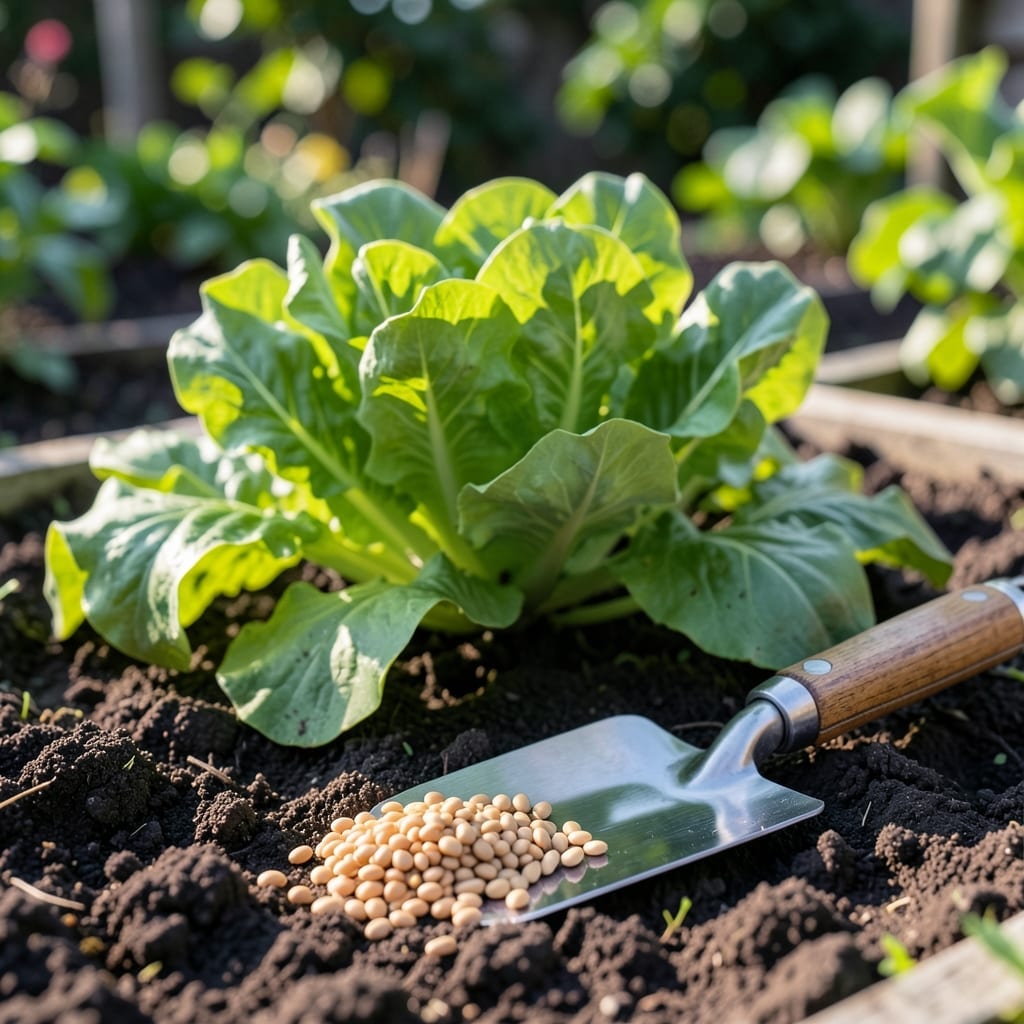
Timing is everything when growing crisp homegrown lettuce. Plant too early and frost might ruin your crop; wait too long and you’ll miss that perfect cool-season flavor we all love.
I’ve learned that getting this right means the difference between sad, bitter greens and sweet, tender leaves. The good news? It’s simpler than you think once you know the patterns.
Let me show you exactly when to get those 🥬 lettuce seeds in the soil for the best results, whether you’re planting in spring or preparing for a fall harvest.
Getting the timing right for lettuce seeds is all about working with your local climate. In cool climates, I start sowing 4-6 weeks before the last frost date, usually in early spring. This gives the seeds time to germinate in cool soil without the risk of a hard freeze.
For warmer regions, the window shifts to late summer or early fall. The key is avoiding the heat of summer, which can cause bolting or poor germination. I’ve found that 60-70°F soil is the sweet spot for most varieties.
| Climate Zone | Sowing Window | Key Consideration |
|---|---|---|
| Cool (Zones 1-4) | Early Spring, Late Summer | Avoid frost and heat |
| Moderate (Zones 5-7) | Spring, Fall | Watch for late frosts |
| Warm (Zones 8-10) | Fall, Winter | Use shade cloth in summer |
In Zone 6, where I garden, the ideal window is March to April for spring and August to September for fall. This aligns with the frost-free dates and ensures optimal growth before extreme temperatures hit.
For early spring sowing, I always check the 10-day forecast to avoid unexpected cold snaps. A cloche or row cover can protect young seedlings if temperatures dip below 40°F. It’s a small effort for a big payoff.
If you’re in a warmer zone, like Zone 9, you can sow year-round with some adjustments. In summer, I recommend shade cloth or planting in partial shade to prevent heat stress. The goal is to keep the soil cool and moist.
Don’t forget about succession planting. I sow new seeds every 2-3 weeks in spring and fall to extend the harvest. This way, I always have fresh lettuce ready, and I avoid the bitter taste that comes with maturity.
For container gardening, the rules are similar, but I pay extra attention to soil temperature. Pots can heat up quickly, so I often start seeds indoors or in a shaded spot before moving them to full sun.
Soil temperature is critical. Lettuce seeds germinate best at 60-70°F. If the soil is too cold, they’ll sit dormant. If it’s too hot, they may not sprout at all. A soil thermometer is a handy tool I use to take the guesswork out.
Finally, always refer to your local frost dates and adjust based on your microclimate. Even within the same zone, conditions can vary. By fine-tuning your timing, you’ll maximize your chances of a bountiful harvest 🌱
I’ve found that staggered planting is the secret to continuous lettuce harvests. By sowing seeds in multiple batches, you can enjoy fresh greens from early spring through fall without gaps in supply.
For spring harvests, I start seeds indoors 4-6 weeks before the last frost, then transplant. Direct sowing works too once soil temps hit 50°F. This gives me tender leaves by early summer.
For fall harvests, I count backward from the first frost date. In Zone 6, I sow seeds 6-8 weeks before the first frost, typically in August or early September. This ensures mature plants before cold weather arrives.
Succession planting every 2-3 weeks keeps my garden productive. I alternate between leaf lettuce and head lettuce varieties to maintain diversity in both flavor and texture.
In warmer climates, I adjust by planting in partial shade during summer. This prevents bolting and extends the growing season. I also use shade cloth to protect plants from intense afternoon sun.
Remember, consistent moisture is key for germination. I water gently but frequently, keeping the soil evenly damp until seeds sprout. Once established, lettuce needs about 1 inch of water per week.
With this schedule, I harvest fresh lettuce almost year-round, missing only the hottest summer months in my zone 🌿