
Beautiful Plants For Your Interior
Beautiful Plants For Your Interior
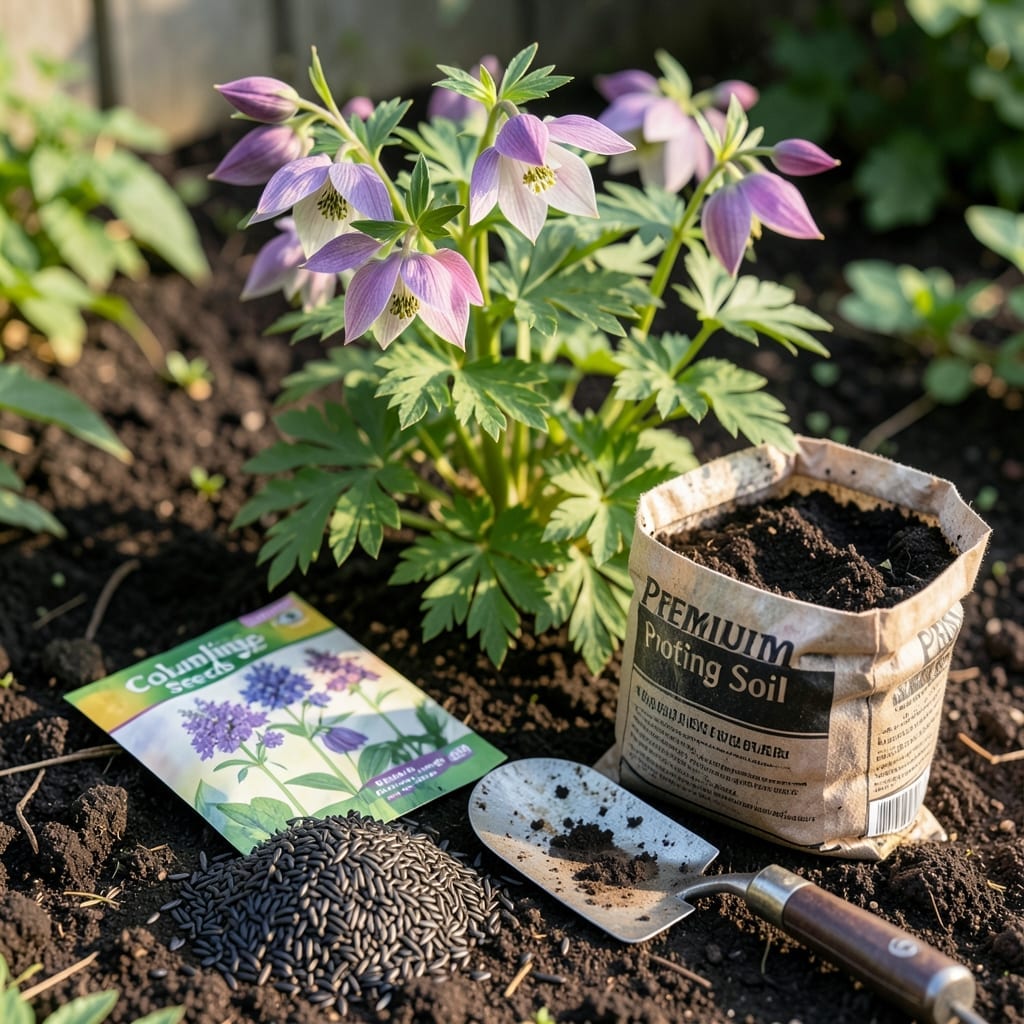
Timing is everything when it comes to sowing Columbine 🌸 seeds. Plant too early or too late, and you risk poor germination or weak blooms.
But get it right, and you’ll enjoy stunning, vibrant flowers year after year. The good news? It’s easier than you might think once you know the ideal window.
I’ll walk you through the perfect timing for your zone, plus simple tips to ensure your seeds thrive from the start.
Getting the timing right for columbine seeds can make all the difference in your garden. These beautiful perennials thrive when sown at the optimal time, which varies by climate and method.
I’ve found that early spring or late fall are ideal windows, but your USDA zone plays a big role. Columbines often benefit from cold stratification, so timing matters more than you might think.
| Season | Method | USDA Zones | Key Notes |
|---|---|---|---|
| Early Spring | Indoors | All | 6-8 weeks before last frost |
| Spring | Outdoors | 4-8 | 1-2 weeks before last frost |
| Late Fall | Outdoors | 3-7 | Natural cold stratification |
| Winter | Indoors | 9-10 | Use grow lights |
For most gardeners in USDA zones 4-8, sowing columbine seeds 1-2 weeks before your last frost date works beautifully. This timing allows the seeds to germinate gradually as the soil warms.
If you’re in a colder climate (zones 3-4), consider starting seeds indoors 6-8 weeks before the last frost. This gives them a head start before transplanting outside.
In warmer zones (8-10), a late fall sowing can be perfect. The seeds will naturally stratify over winter, leading to stronger spring germination.
I always remind fellow gardeners that columbines need light to germinate. That means you should press seeds lightly into the soil but not bury them. This simple step boosts your success rate significantly.
For indoor sowing, maintain a consistent 65-70°F temperature and provide bright, indirect light. A heat mat can help speed up germination, which typically takes 2-4 weeks.
If you’re direct sowing outdoors, choose a partially shaded spot with well-draining soil. Columbines prefer moist but not soggy conditions, so ensure good drainage to prevent rot.
Remember, columbines are self-seeding plants. Once established, they’ll often reseed themselves year after year, saving you the effort of replanting. Just let some seed pods mature on the plants.
With the right timing and care, you’ll be rewarded with delicate, colorful blooms that attract pollinators like hummingbirds and bees to your garden 🌸
Sowing columbine seeds successfully starts with choosing the right method for your climate. I prefer starting indoors early for more control, but direct outdoor sowing works well in milder zones.
Whether you’re planting in trays indoors or garden beds outside, the key is preparing the soil properly and providing consistent moisture and light. Columbines are forgiving but do best with attention to detail.
For indoor sowing, place trays in a bright location or under grow lights. Maintain a steady 65-70°F for best results. Germination usually takes 2-4 weeks, so patience is key.
Once seedlings have 2-3 true leaves, they’re ready to harden off. Gradually expose them to outdoor conditions over 7-10 days before transplanting to their permanent location.
If direct sowing outdoors, choose a spot with partial shade and well-draining soil. Columbines dislike waterlogged roots, so avoid heavy clay soils or low-lying areas.
After planting, water gently but deeply to encourage strong root growth. Mulch lightly to retain moisture and suppress weeds, but avoid heavy mulch that can smother young plants 🌱