
Beautiful Plants For Your Interior
Beautiful Plants For Your Interior
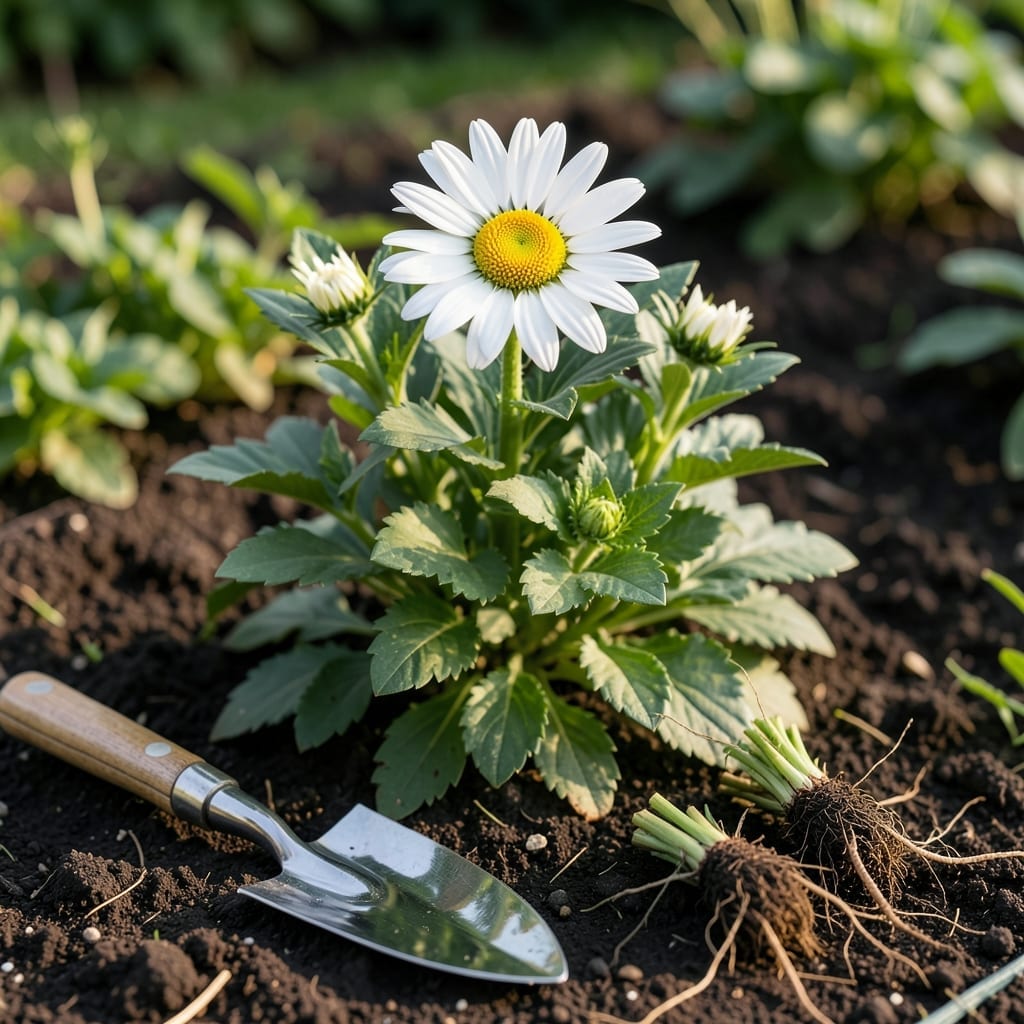
Your Shasta Daisy 🌼 might look fine now, but overcrowded roots are silently stealing its vigor. I’ve seen too many gardens where these cheerful blooms fade because they weren’t divided at the right time.
Timing is the key—do it too late or too early, and you risk stressing the plant. Early spring or fall offers the perfect window for a smooth transition.
Let me show you when and how to separate them so your garden stays vibrant and full of life. It’s easier than you think.
I’ve found that early spring or early fall are the best times to divide Shasta daisies. These seasons offer mild temperatures that reduce transplant shock and give roots time to establish.
In early spring, divide just as new growth appears but before hot weather sets in. In fall, aim for 4-6 weeks before the first frost to allow recovery. Avoid dividing in summer heat or winter dormancy. Timing is everything for healthy regrowth.
| Season | Ideal Months | Key Benefit |
|---|---|---|
| Early Spring | March-April | Cool temps, active growth |
| Early Fall | September-October | Root establishment before winter |
| Avoid | Summer/Winter | Heat stress or dormancy |
I always check the weather forecast before dividing. A stretch of mild days and cool nights is perfect. If you’re in USDA zones 5-9, you’ve got a good window in both spring and fall.
Another sign it’s time: your Shasta daisies have crowded centers or fewer blooms. This usually happens every 2-3 years. Dividing rejuvenates the root system and encourages more flowers.
For spring division, I wait until the soil is workable and no longer frozen. In fall, I
I’ve learned that overcast days are ideal for dividing. The reduced sunlight helps minimize stress on the plants. If it’s sunny, I work in the early morning or late afternoon to avoid heat stress.
Watering is crucial before and after dividing. I soak the soil thoroughly the day before, and keep the new divisions well-watered for the first 2 weeks. This helps them recover faster.
If you’re in a hot climate, early fall might be better than spring. The cooler temperatures and autumn rains help the plants settle in. In cooler climates, spring division often works best.
Remember, healthy plants recover faster. If your Shasta daisies are struggling with disease or pests, it’s best to address those issues before dividing. A strong root system handles division stress much better.
I also recommend using sharp tools to minimize damage to the root ball. Clean cuts heal faster, and your new plants will establish more quickly. Always sterilize your tools between cuts to prevent disease spread. ✂️
I always start by preparing the area the day before. Water deeply to soften the soil and reduce root stress during division. This makes the root ball easier to handle.
First, I dig around the Shasta daisy clump with a sharp spade, creating a wide circle to avoid cutting roots. Then, I gently lift the entire plant from the ground, keeping the root system intact.
With the plant out of the ground, I use my hands or a clean knife to separate the clump into smaller sections. Each division should have healthy roots and several shoots for the best results.
I then replant each division in a prepared hole at the same depth it was growing. I space them 18-24 inches apart to prevent future overcrowding. This gives each new plant room to grow.
After planting, I firm the soil gently around the base and water deeply. I continue to keep the soil moist but not soggy for the first 2 weeks to help the roots establish.
I avoid fertilizing immediately after division, as it can stress the new plants. Instead, I wait 2-3 weeks before applying a balanced fertilizer to encourage healthy growth. ✂️