
Beautiful Plants For Your Interior
Beautiful Plants For Your Interior
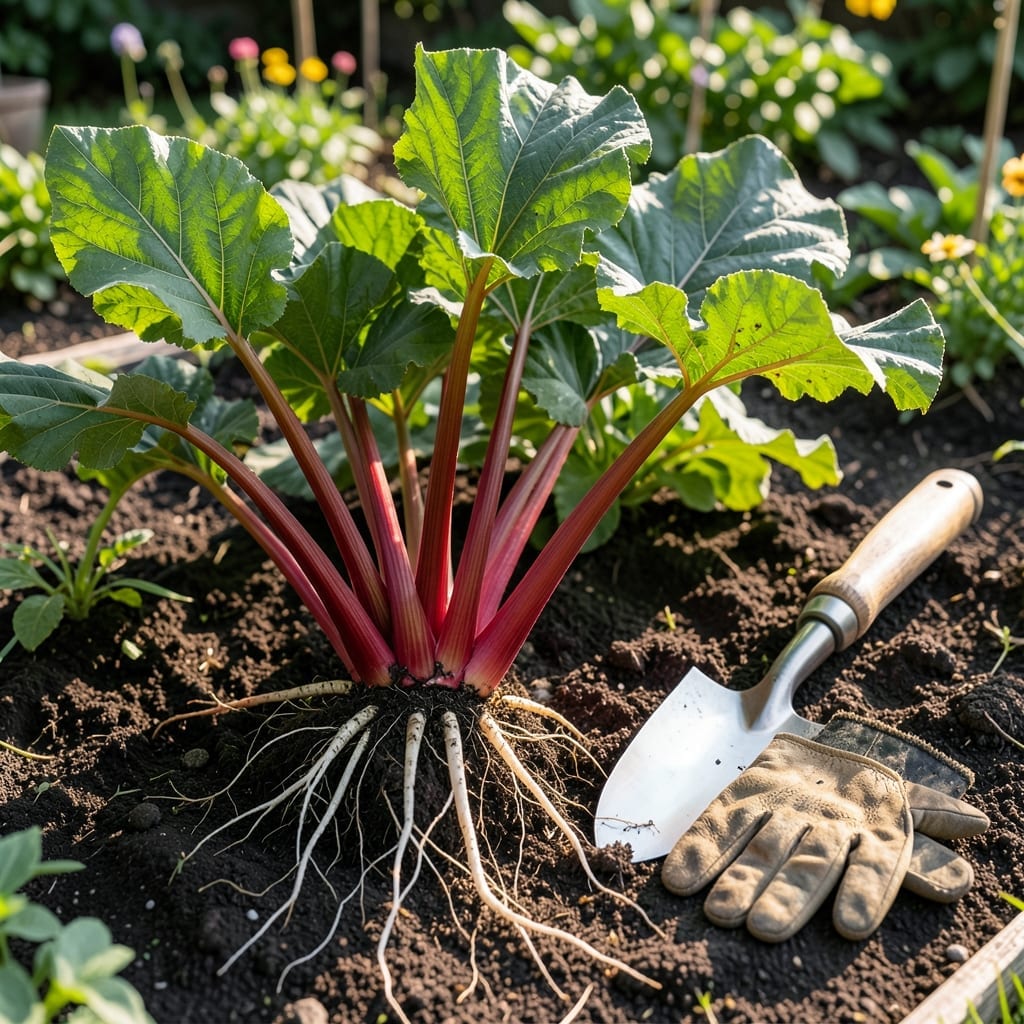
I remember the first time I divided my Rhubarb 🌱 – the difference in growth was incredible. Timing this right can mean the difference between thriving plants and a struggling garden.
Dividing at the optimal moment gives your plants the best chance to establish strong roots. It’s not just about when you have time, but when the plant is ready.
Let me walk you through the ideal seasons and signs to look for. Your garden will thank you with healthier stalks and more abundant harvests.
I’ve found that early spring or fall are the absolute best times to divide your rhubarb plants. This timing allows the crowns to establish roots before summer heat or winter cold set in.
The plant should be dormant during division. In early spring, this means before new growth appears. In fall, it’s after the harvest season but before the first frost.
| Season | Timing | Advantages |
|---|---|---|
| Early Spring | Before new growth | Cool soil, ample moisture |
| Fall | After harvest, before frost | Establishes before winter |
| Avoid | Summer, winter | Stress from heat/cold |
In my experience, March to early April works perfectly for spring division in most USDA zones 3-8. The soil is workable but still cool, which minimizes transplant shock.
For fall division, aim for September through October. This gives your rhubarb about 6 weeks to establish roots before the ground freezes.
I always check the weather forecast before dividing. You want a stretch of mild temperatures and no imminent frosts. Sudden cold snaps can damage newly divided rhubarb crowns.
Plants that are 4-5 years old are ideal candidates. Younger plants may not have enough energy reserves, while older ones might be too established to benefit.
In warmer climates (zone 8), you might get away with dividing in late winter. But in colder areas, stick to early spring or fall to be safe.
Remember that divided rhubarb needs consistent moisture for the first few weeks. I water mine deeply twice a week unless rain does the job.
Don’t divide during active growth periods. The plant needs all its energy for stalk production, not recovery from division. This is why summer division is particularly risky.
By following these seasonal guidelines, your divided rhubarb will establish quickly and reward you with vigorous growth in the following season ☀️
Dividing rhubarb crowns is simpler than it looks, but proper technique ensures your plants recover quickly. I always start by preparing the new planting area before lifting the parent plant.
This prevents the roots from drying out while you work. Choose a cloudy day for division to reduce stress on the plants.
I find that using a serrated knife works best for clean cuts through the rhubarb crowns. Each division should have at least one strong bud and a good portion of root system.
After replanting, I trim the foliage back by about one-third to reduce water loss while the roots re-establish. This helps the plant focus its energy on root growth rather than leaf production.
Keep the soil consistently moist for the first 2-3 weeks after division. I check daily and water if the top inch of soil feels dry. The new plants will show fresh growth within a few weeks if done correctly.
Avoid harvesting from divided plants in their first year. This gives them time to build up energy reserves for future growth. In my garden, divided rhubarb typically produces full stalks by the second year.
✂️