
Beautiful Plants For Your Interior
Beautiful Plants For Your Interior
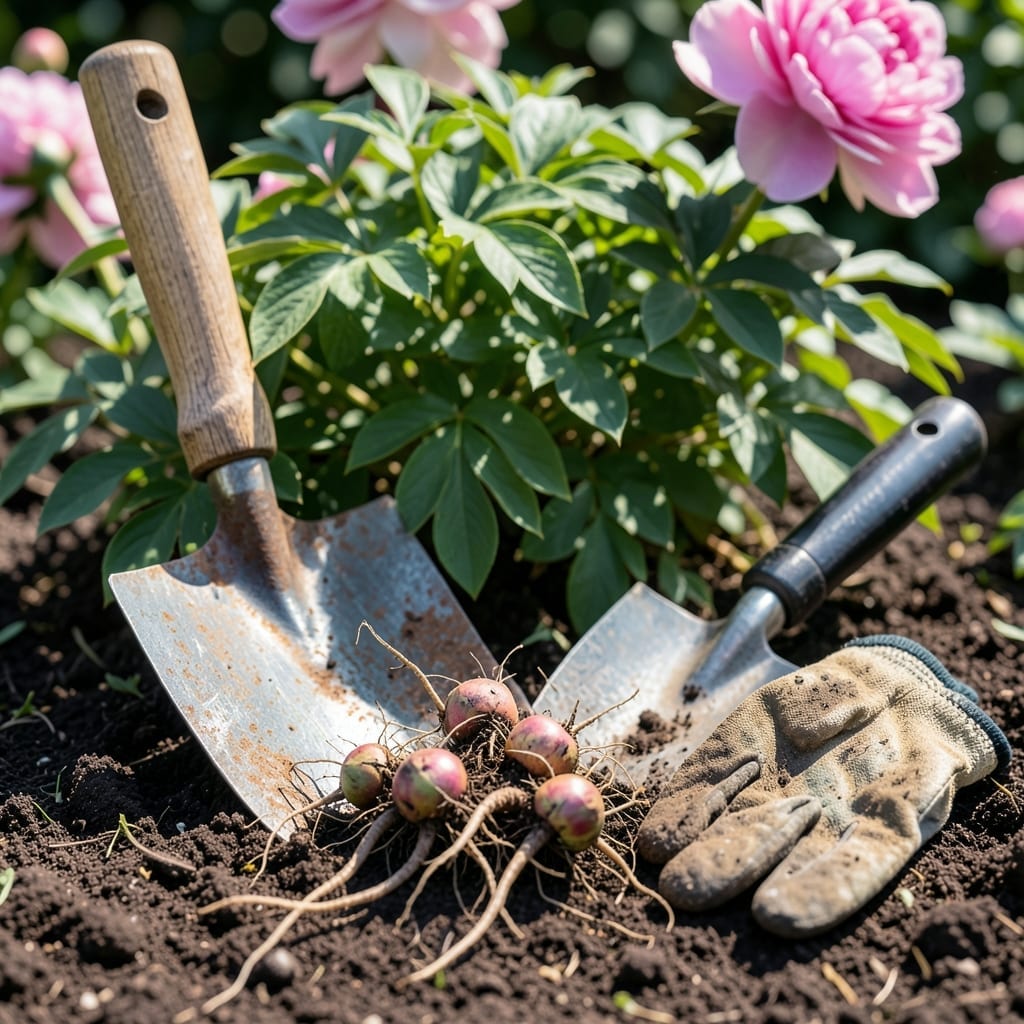
Peonies reward patient gardeners with stunning blooms, but timing is everything when dividing them. Separating at the wrong moment can set back your 🌸 Peony plants or even cost you next year’s flowers.
I learned this the hard way after losing a prized clump to a poorly timed division. The difference between success and struggle often comes down to just a few weeks in the calendar.
Let me show you the most reliable window for separation and how to spot the signs your plants are ready. Your future blooms will thank you.
Timing is everything when separating peony plants. I’ve found that early fall is the absolute best window, typically from September to early October. This period allows roots to establish before winter dormancy.
The plant focuses energy on root growth in fall rather than blooms. This means less stress and better survival rates for your divisions. Avoid spring division as it can sacrifice that year’s flowers.
| Stage | Action |
|---|---|
| Early Fall | Best time to divide |
| Late Fall | Avoid after first frost |
| Spring | Risk of losing blooms |
| Summer | Too hot, high stress |
In USDA zones 3-8, this timing works perfectly. The soil stays warm enough for root establishment while air temperatures cool. This combination reduces transplant shock significantly.
I always check the weather forecast before dividing. You want at least 4-6 weeks of growing time before the first hard frost. This gives the new divisions time to settle in properly.
For gardeners in warmer climates, you might push the timeline into late October. But remember, the earlier in fall you can divide, the better your peonies will perform next season.
Never divide during extreme heat or when plants are actively blooming. The stress can be too much for the peonies to recover from. I made this mistake once and lost half my divisions.
Another key factor is the plant’s state. Wait until the foliage begins to yellow and die back naturally. This signals the plant is entering dormancy, making it the perfect time for division.
If you must divide in spring, do it as early as possible before new growth starts. But be prepared for fewer flowers that year as the plant recovers from the stress.
Remember that herbaceous peonies and tree peonies have slightly different needs. Tree peonies prefer late summer to early fall division, while herbaceous types do best in early fall.
Finally, mark your calendar for September 1st as the start of peony division season. This simple reminder has helped me stay on track year after year 🌸
Your peony plants will often tell you when they need dividing. The most obvious sign is reduced blooming. If your once-floriferous clumps now produce only a handful of flowers, it’s time to act.
Another clear indicator is overcrowded clumps. When stems grow so dense that air can’t circulate, the plant becomes susceptible to fungal diseases. This is nature’s way of saying “give me some space.”
I notice small or weak flowers as another red flag. When peonies must compete for nutrients, the blooms suffer first. The flowers may appear pale or undersized compared to their usual glory.
Look for visible root competition at the soil surface. When thick roots push above ground, the plant is literally running out of room. This usually happens after 3-5 years in the same spot.
Yellowing foliage in mid-summer can signal stress from overcrowding. While some yellowing is normal in fall, early season discoloration often means the plant needs division to rejuvenate.
Finally, if you see stunted growth despite proper care, it’s likely time to separate. Healthy peonies should grow 2-4 feet tall with vigorous stems. Anything less may indicate they need more space to thrive 🌸