
Beautiful Plants For Your Interior
Beautiful Plants For Your Interior
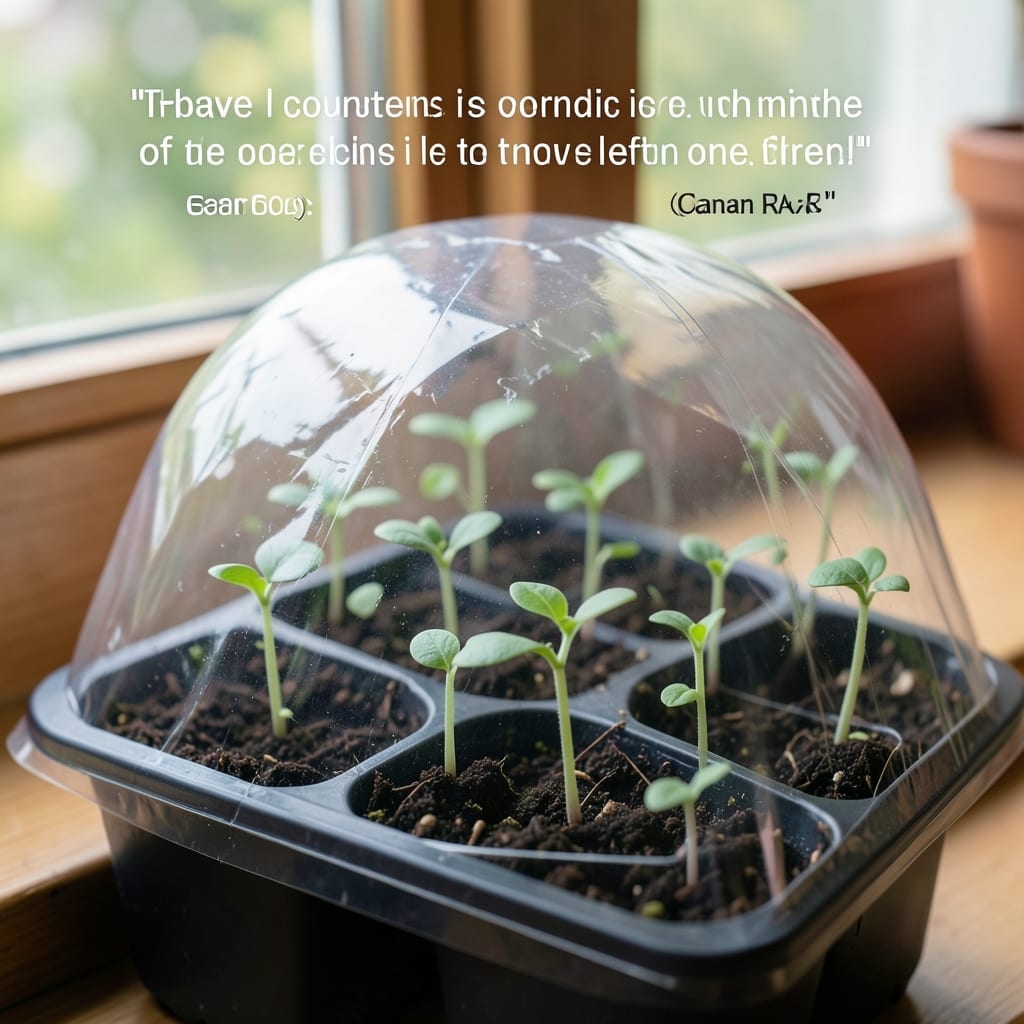
Timing is everything when it comes to your garden’s success. Removing covers from your 🌱 Seedlings too soon can expose them to harsh conditions, while waiting too long might stunt their growth.
In zone 6, the sweet spot often arrives in late spring when frost risks fade. But how do you know when your Seedlings are truly ready?
Discover the telltale signs and environmental cues that signal it’s safe to uncover. I’ll walk you through the process to ensure your plants thrive from the start.
Knowing the right moment to uncover your seedlings can feel tricky, but mother nature gives us clear signals. I always watch for true leaf development first since those initial baby leaves aren’t the real deal.
Another key indicator is consistent temperatures above 50°F during the day. In zone 6, this typically happens after April 15, our average last frost date. But I always double-check the forecast for any late cold snaps.
| Sign | What to Look For |
|---|---|
| True Leaves | Second set of leaves appears |
| Temperature | Daytime highs above 50°F |
| Frost Risk | No frost in 10-day forecast |
| Seedling Height | 2-3 inches tall for most varieties |
| Hardiness | Can handle light wind and rain |
I’ve learned that seedling height matters too. Most vegetable seedlings are ready when they reach 2-3 inches tall. But remember, this varies by plant type—tomatoes can handle uncovering earlier than delicate lettuce.
Watch your seedlings’ reaction to gentle wind. If they sway but don’t topple, they’re building strength. This is a great sign they’re ready for more exposure. I like to test this on calm days first.
The hardening off process is crucial. I start by removing covers for just 1-2 hours in the afternoon, gradually increasing time. This helps seedlings adjust to real-world conditions without shock.
Soil temperature is another factor we often overlook. Use a soil thermometer to check—45°F is the minimum for most seedlings. Cold soil can stunt growth even if air temps are warm.
For cold-sensitive plants like peppers and eggplants, I wait until nighttime temps stay above 55°F. These tropical natives need extra warmth to thrive.
Don’t forget to check the weather forecast religiously. A surprise cold front can set back uncovered seedlings. I keep a fleece blanket handy for emergency coverage.
Finally, observe your seedlings’ color and vigor. Healthy, deep green leaves and sturdy stems are sure signs they’re ready. If they look leggy or pale, they need more time under cover. 🌱
Once you’ve spotted the right signs, it’s time to introduce your seedlings to the outside world. I always start this process on a cloudy day to reduce stress from direct sunlight.
The key is gradual exposure. Begin by removing covers for just 1-2 hours during the warmest part of the day. This lets seedlings acclimate without overwhelming them.
Hardening Off Steps:
I prefer doing this in the late morning to early afternoon. This gives seedlings time to recover before cooler evening temperatures arrive. Always avoid the hottest part of the day initially.
For cold-sensitive plants, I extend the hardening period to 10-14 days. Peppers and eggplants especially need this extra care to avoid shock.
Watch for wilting or yellowing leaves during this transition. If you see these signs, return the covers and try again more slowly. Patience here prevents long-term damage.
Finally, keep a close eye on weather. If a cold snap is forecasted during hardening, delay the process. It’s better to wait than risk losing your seedlings to an unexpected frost. 🌱