
Beautiful Plants For Your Interior
Beautiful Plants For Your Interior
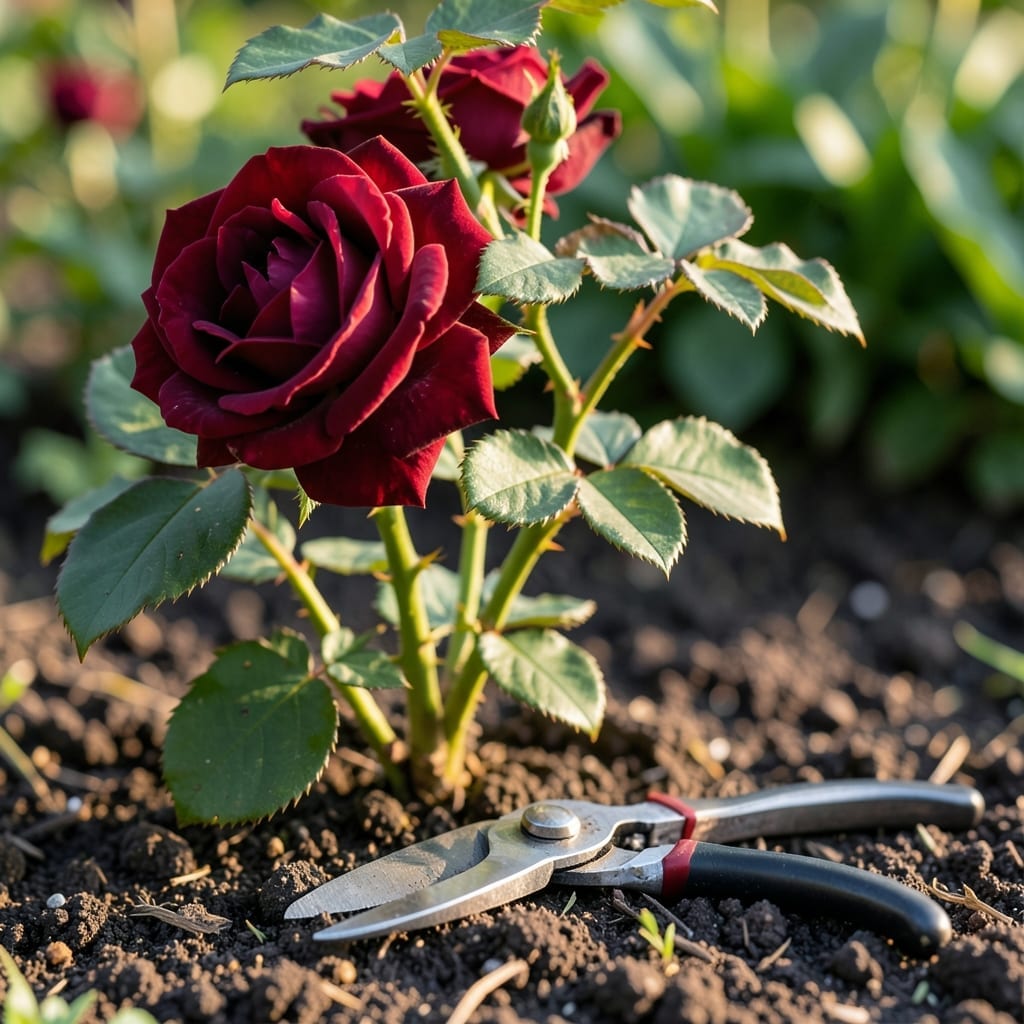
Timing is everything when it comes to keeping your 🌹 Rose Bush thriving in Texas. Prune too early or too late, and you risk stunting growth or missing out on those stunning blooms we all love.
Our state’s unique climate, spanning zones 8a-9b, means the rules aren’t one-size-fits-all. The good news? There’s a sweet spot that works for most Texas gardeners.
Discover the ideal window to give your roses the care they need for healthier plants and more vibrant flowers this season.
Texas gardeners know our state’s diverse climate zones demand tailored care. From the cooler North to the warmer South, timing your pruning right ensures healthier roses and abundant blooms. ✂️
The ideal window typically falls in late winter, just before new growth starts. But Texas’ size means frost dates and growing seasons vary, so adjustments are key. 🌹
| Region | Best Pruning Time | Key Consideration |
|---|---|---|
| North Texas | Mid-February | After last hard frost |
| Central Texas | Late January | Mild winters allow earlier pruning |
| South Texas | Early January | Avoid heat stress later |
| East Texas | February | Higher humidity needs airflow |
| West Texas | Late February | Dry climate delays pruning |
In North Texas, like Dallas, I wait until mid-February after the last hard frost. This protects tender new growth from late freezes that can damage unestablished canes. ✂️
Central Texas gardeners, including Austin, can start pruning in late January. The milder winters here mean roses break dormancy earlier, so timing is critical to avoid cutting off potential blooms.
For South Texas, like San Antonio or the Rio Grande Valley, early January pruning works best. The earlier start helps roses establish before the intense summer heat sets in. ☀️
In East Texas, where humidity is high, February pruning improves airflow, reducing the risk of fungal diseases like black spot. Always remove dead or diseased wood first.
West Texas’s arid climate means I prune in late February. The dry air and temperature swings require extra caution to prevent winter burn on fresh cuts. 🌡️
Remember, these are guidelines. Always check your local frost dates and observe your roses’ growth. If you see swollen buds, it’s time to prune—those are signs of new growth starting. 🌱
For once-blooming roses, like old garden varieties, prune right after flowering. These roses bloom on old wood, so timing differs from modern hybrids that bloom repeatedly on new wood.
Texas gardeners need to adjust pruning timing based on their rose type. Repeating roses bloom on new wood, so I prune them in late winter for the best results. ✂️
Once-blooming roses, like heirlooms, flower on old wood. For these, I wait until right after blooming to avoid cutting off this season’s flowers. This timing ensures I don’t sacrifice next year’s display. 🌹
For modern hybrid teas or floribundas, I focus on creating an open center. This improves air circulation, which is crucial in Texas’ humid areas to prevent disease. 🌿
With climbing roses, I prune lateral branches but avoid cutting the main canes unless they’re damaged. This maintains the plant’s structure while encouraging more blooms.
A common mistake I see is over-pruning. Never remove more than 1/3 of the plant at once. This can stress the rose and reduce its vigor for the growing season.
Always use sharp, clean tools to make clean cuts. Ragged cuts can invite disease and pests. I also apply a dormant spray after pruning to protect my roses. ✂️