
Beautiful Plants For Your Interior
Beautiful Plants For Your Interior
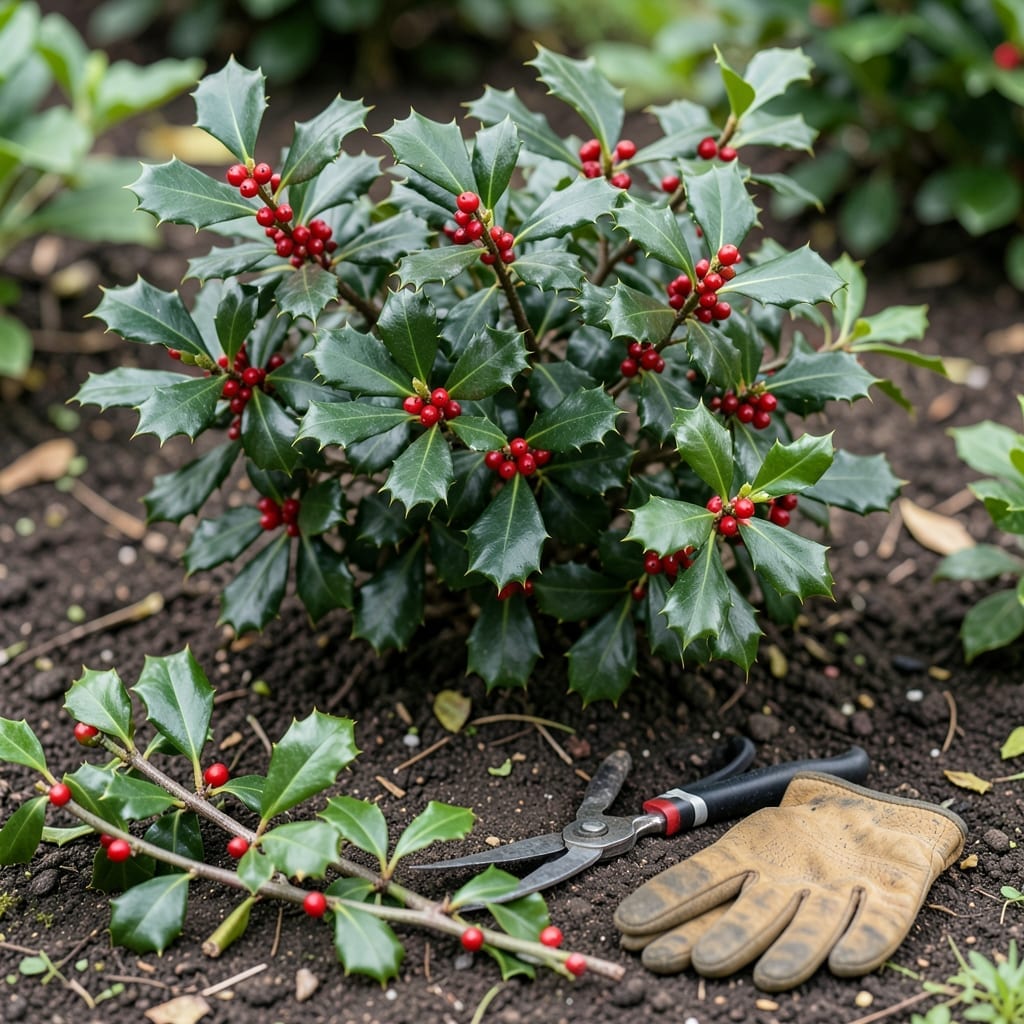
Pruning your 🎄 Holly at the right time makes all the difference between a thriving shrub and one that struggles to grow. I’ve seen too many gardeners make the mistake of trimming at the wrong season, only to wonder why their plants look lackluster.
Timing is the key to vibrant foliage and those iconic berries we all love. Whether you’re shaping your shrub or rejuvenating an older plant, knowing when to act ensures healthy results.
Discover the best seasonal windows for pruning Holly in zones 5-9, and learn how to avoid the most common pitfalls that can harm your plant.
Timing your Ilex pruning correctly ensures vibrant growth and abundant berries. I’ve learned that evergreen varieties like American Holly thrive when pruned in late winter or early spring before new growth starts.
For deciduous Ilex, such as Winterberry, the best window is late winter to early spring. This timing avoids cutting off flower buds that form on old wood, which would sacrifice next season’s berries.
| Ilex Type | Best Pruning Time | Key Reason |
|---|---|---|
| Evergreen Holly | Late Winter | Avoids cutting new buds |
| Deciduous Ilex | Late Winter | Preserves flower buds |
| Dwarf Varieties | Early Spring | Encourages compact growth |
If you miss the early spring window, a light prune in early summer can work, but avoid heavy cuts. Ilex sets flower buds in summer, so late pruning may remove potential berries for next year.
In warmer climates (Zones 8-9), you can prune in fall, but only if your Ilex isn’t prone to cold damage. Fall pruning stimulates new growth that might not harden off before winter.
For rejuvenation pruning on overgrown shrubs, late winter is ideal. Cut back up to one-third of the oldest stems to the ground. This encourages fresh, vigorous growth from the base.
Always use sharp, clean tools to make precise cuts. Dull blades can tear the bark, leaving your Ilex vulnerable to pests and diseases. I keep a pair of bypass pruners dedicated just for woody plants.
If your goal is berry production, avoid pruning after midsummer. This is when Ilex begins setting buds for next year’s berries. A little patience now means a more colorful display later.
For formal hedges, light pruning can be done twice a year—once in early spring and again in early summer. This keeps the shape tidy without sacrificing too many berries.
Remember, young Ilex plants need minimal pruning. Focus on removing dead or diseased wood and shaping only as needed. Over-pruning early on can weaken the plant and delay its maturity. ✂️
Pruning Ilex shrubs at the wrong time can set back years of growth. I’ve seen gardeners lose entire seasons of berry production by trimming too late in the year.
One major mistake is pruning during active growth in spring. This removes the very buds that would become next year’s berries, leaving your shrub barren.
⚠️ Warning: Avoid These Pruning Pitfalls
Pruning during active growth removes flower buds, sacrificing berries.
Over-trimming weakens the plant and invites disease.
Using dull tools tears bark, creating entry points for pests.
Ignoring variety needs can harm deciduous vs. evergreen types differently.
Another common error is over-trimming. Removing more than one-third of the plant at once stresses it, making it vulnerable to disease and pests. I always follow the less-is-more approach.
Using dull pruning tools is a recipe for disaster. Jagged cuts don’t heal well, and they can introduce fungal infections. I sharpen my bypass pruners before each use to ensure clean cuts.
Ignoring variety-specific needs can also cause problems. For example, Winterberry Ilex needs different treatment than American Holly. Always check your specific plant’s requirements.
Finally, never prune in late summer or fall unless you’re in a warm climate. This stimulates new growth that won’t harden off before winter, risking cold damage to your Ilex. ✂️