
Beautiful Plants For Your Interior
Beautiful Plants For Your Interior
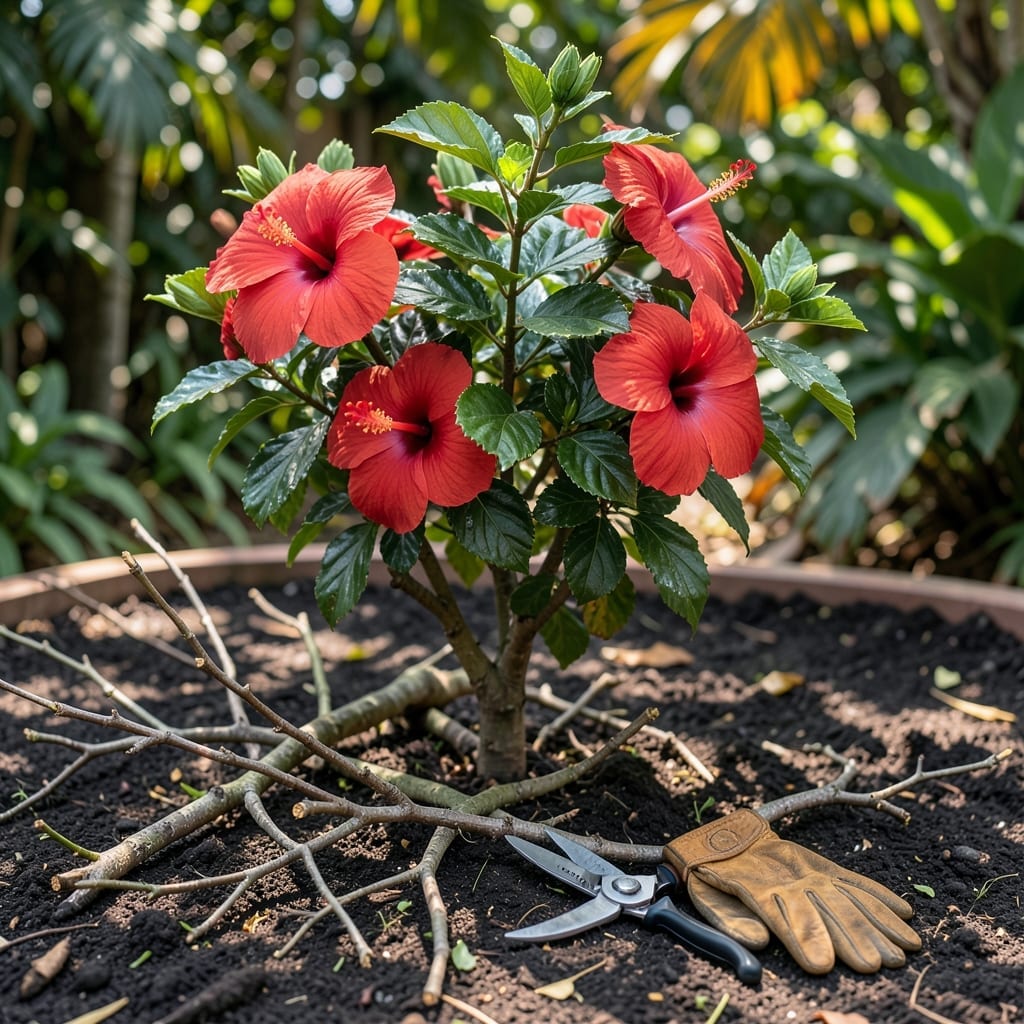
Pruning your 🌺 Hibiscus at the right time in Florida can transform it from a lackluster shrub to a vibrant showstopper. The state’s unique climate demands precise timing to avoid stunting growth.
I’ve seen how a simple trim at the wrong moment can cost you an entire blooming season. Florida’s zones 8b-10a give you flexibility, but there’s still a sweet spot.
Let me show you exactly when to make those cuts for the best blooms and healthiest plants. The difference will surprise you.
Florida’s warm climate gives you year-round flexibility for pruning hibiscus, but timing still matters. The best window is late winter or early spring, just before new growth starts.
In zones 8b-10a, this typically means February to March. This timing allows your hibiscus to recover and produce abundant blooms by summer. ✂️
| Region | Best Pruning Time | Notes |
|---|---|---|
| North Florida | Late February | After last frost risk |
| Central Florida | Early March | Before spring growth surge |
| South Florida | Year-round (ideal: Jan-Feb) | Avoid extreme heat |
If you miss this window, don’t panic. Hibiscus can handle light pruning anytime except during peak summer heat. Heavy pruning in summer can stress the plant.
For tropical hibiscus, which blooms year-round in South Florida, I recommend light trims after each bloom cycle to encourage continuous flowering. This keeps the plant bushy and productive. 🌺
In subtropical areas, like North Florida, stick to one major pruning in late winter. This prevents cold damage to new growth and ensures strong spring recovery.
Always use clean, sharp tools to make clean cuts. This reduces stress and prevents disease. I prefer bypass pruners for their precision.
After pruning, give your hibiscus a balanced fertilizer to support new growth. This boosts recovery and encourages more blooms in the coming season.
Watch for pests like aphids after pruning. Fresh cuts can attract them, so keep an eye out and treat promptly if needed. 🌿
Remember, hibiscus blooms on new wood, so pruning at the right time ensures you’re not cutting off potential flowers. Timing really is everything with these beauties.
Pruning hibiscus in Florida doesn’t have to be intimidating. I always start by inspecting the plant for dead or diseased branches, which should be removed first to prevent the spread of issues.
Next, I focus on shaping the plant by trimming back overgrown branches. Aim to maintain the plant’s natural shape while encouraging bushier growth. This helps improve air circulation and sunlight penetration. ✂️
When making cuts, I use sharp bypass pruners and cut at a 45-degree angle just above a leaf node. This angle helps water run off and prevents rot.
Never remove more than one-third of the plant in a single pruning session. Over-pruning can shock the hibiscus and reduce its ability to produce vibrant blooms. 🌺
For tropical hibiscus, I recommend light pruning after each bloom cycle. This encourages continuous flowering and keeps the plant looking tidy throughout the year.
After pruning, I always give my hibiscus a balanced fertilizer to support new growth. This helps the plant recover faster and promotes more blooms in the coming weeks.
Finally,