
Beautiful Plants For Your Interior
Beautiful Plants For Your Interior
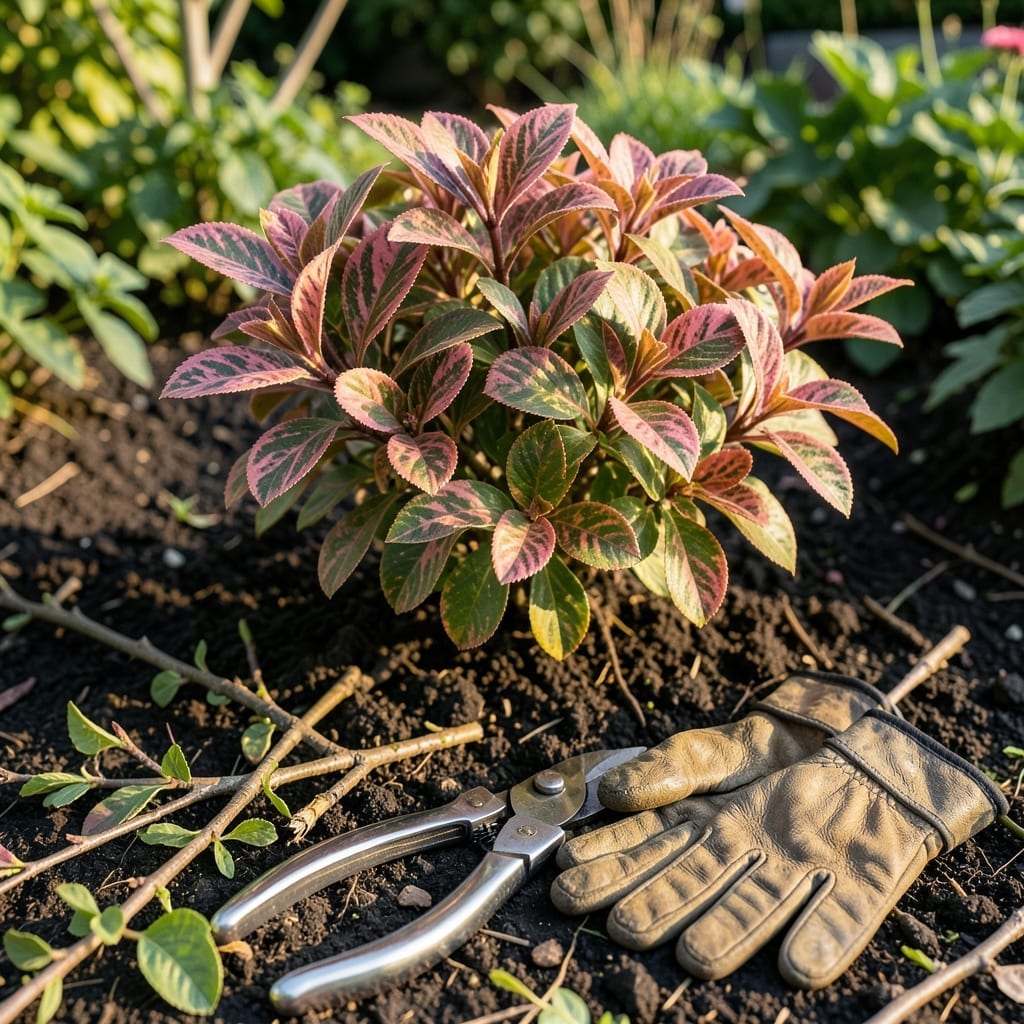
Pruning your Euonymus 🌿 at the right time can make all the difference between a thriving shrub and one that struggles to bounce back. Timing is everything when it comes to this versatile plant.
I’ve seen firsthand how pruning in the wrong season can set back growth for months. The good news? With the right approach, you can encourage healthier foliage and more vibrant colors.
Discover the best seasonal windows to trim your Euonymus and the simple techniques that will keep it looking its best year-round.
Timing your Euonymus pruning correctly ensures vibrant foliage and strong growth. I’ve learned that late winter or early spring is ideal for most varieties. This timing allows the plant to recover before new growth starts.
For flowering Euonymus, prune right after blooms fade to avoid cutting off next year’s flowers. This approach keeps your shrub healthy and full of color throughout the growing season.
| Pruning Window | Best For | Avoid |
|---|---|---|
| Late Winter | Non-flowering varieties | Frost-prone areas |
| Post-Flowering | Flowering Euonymus | Late fall pruning |
| Early Spring | Shape maintenance | Heavy pruning |
In my experience, pruning in late winter (before buds swell) gives the best results for non-flowering Euonymus. The plant channels energy into new growth rather than repairing cuts.
For flowering types, I always wait until after the blooms have completely faded. This ensures I don’t accidentally remove next year’s flower buds, which form on old wood.
I avoid pruning in late summer or fall because it can stimulate new growth that won’t harden off before winter. This makes the plant more susceptible to cold damage. ✂️
If you’re in a mild climate, you might get away with light pruning in early fall. However, I’ve seen this backfire in colder zones where sudden frosts can harm tender new shoots.
For evergreen Euonymus, the rules are slightly different. I prune these in early spring just as new growth begins. This helps maintain their dense, compact shape.
Remember, always use sharp tools to make clean cuts. Jagged wounds take longer to heal and can invite disease. I keep my pruners sanitized between cuts, especially when working with multiple plants.
If your Euonymus is overgrown, don’t try to fix it all at once. I spread major pruning over 2-3 years to avoid stressing the plant. This gradual approach works wonders for rejuvenating old shrubs. 🌿
I’ve found that seasonal pruning techniques make a huge difference in keeping my Euonymus healthy. In spring, I focus on removing dead or diseased branches first. This clears the way for new growth.
For summer maintenance, I do light shaping to control size and maintain form. I always use sharp bypass pruners for clean cuts that heal quickly. This prevents tearing the bark, which can invite pests.
In fall, I limit myself to light cleanup only. Heavy pruning this late can stimulate new growth that won’t survive winter. I’ve learned this the hard way after losing several branches to frost damage.
For winter pruning, I stick to removing only broken or diseased branches. The plant is dormant, so it’s the perfect time to assess its structure without stressing it. I always wait for a dry day to prevent spreading diseases.
When making cuts, I follow the 1/3 rule—never remove more than a third of the plant in one season. This keeps the Euonymus from going into shock. I also angle my cuts just above a bud to encourage proper healing.
For thick branches, I use loppers or a pruning saw. I
After pruning, I always clean up all debris around the base. This prevents pests and diseases from taking hold. I’ve noticed my plants stay healthier when I’m consistent with this practice. ✂️