
Beautiful Plants For Your Interior
Beautiful Plants For Your Interior
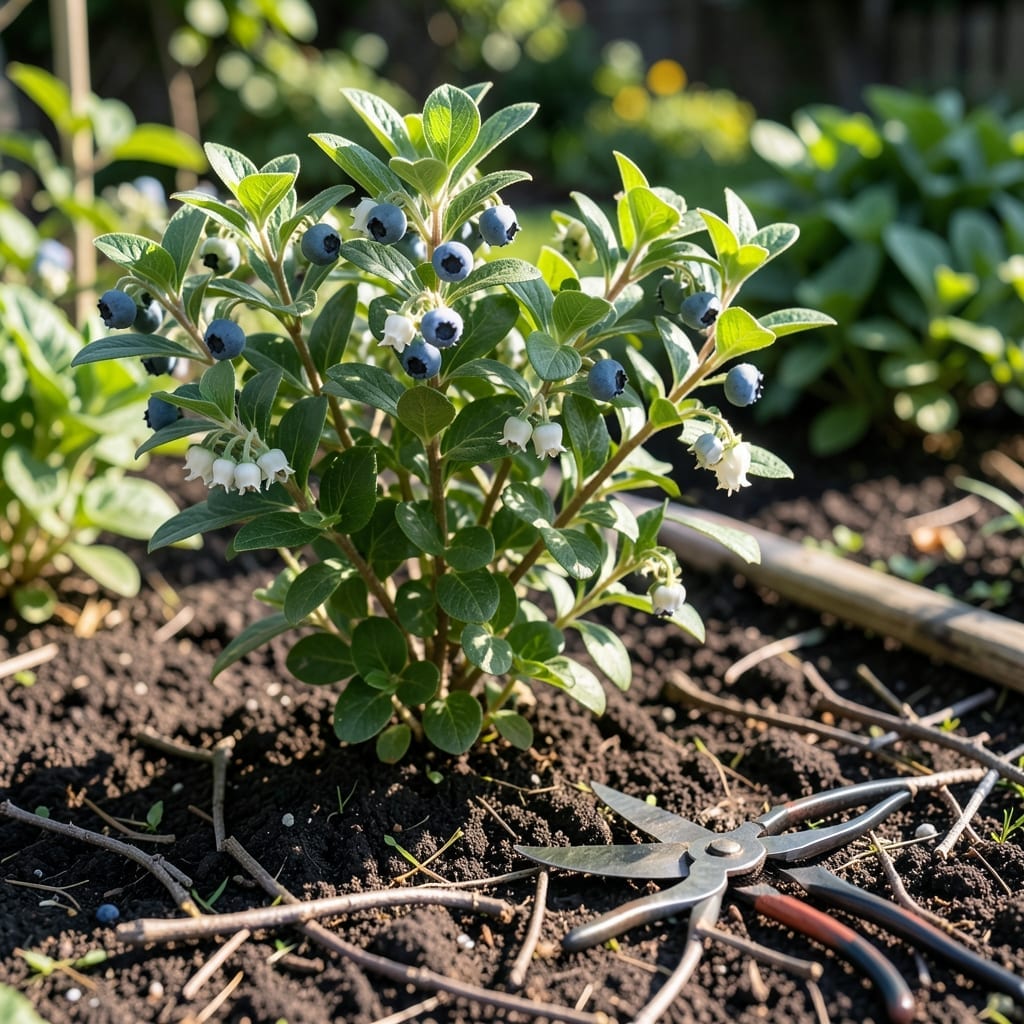
Pruning blueberry bushes at the right time is the key to maximizing your harvest in North Carolina’s unique climate. Do it too early or too late, and you risk stunting growth or losing next year’s berries.
I’ve seen gardeners struggle with timing year after year, but it doesn’t have to be complicated. Understanding the best seasonal window for zones 7b-8a makes all the difference.
Let me walk you through when and how to prune your 🫐 bushes for healthier plants and bigger yields. The secret lies in the timing.
Timing your blueberry bush pruning in North Carolina can make or break your harvest. In zones 7b-8a, the ideal window is late winter to early spring, just before new growth starts. This timing ensures your bushes focus energy on producing fruit, not repairing cuts.
I’ve found that pruning in February or March works best for most NC gardeners. This period avoids the risk of frost damage to new cuts while giving the plant time to heal before the growing season kicks in.
| Season | Pruning Window | Key Reason |
|---|---|---|
| Late Winter | February-March | Avoids frost damage, promotes fruit production |
| Early Spring | Before buds swell | Prepares bushes for new growth |
| Fall | October-November | Light pruning to shape bushes |
In North Carolina, the last frost date is around April 15. Pruning too close to this date can leave your bushes vulnerable to cold snaps. I always aim to finish pruning at least 4-6 weeks before the last expected frost to allow for proper healing.
For rabbiteye blueberries, which are popular in NC, focus on removing old, unproductive canes first. These are typically gray and woody. Thinning out the center of the bush improves airflow, which helps prevent fungal issues common in our humid climate.
Highbush blueberries need a slightly different approach. Since they tend to be more compact, I prioritize cutting back long, leggy branches to encourage bushier growth. This also helps redirect energy to the most productive parts of the plant.
If you miss the late winter window, don’t panic. You can do light pruning in October or November after the harvest. However, avoid heavy pruning in fall, as it can stimulate new growth that won’t have time to harden off before winter.
One thing I’ve learned is that young bushes need minimal pruning. For the first 2-3 years, focus on removing only dead or diseased wood. This allows the plant to establish a strong root system before you start shaping it.
Older bushes, on the other hand, benefit from more aggressive pruning. I remove about 1/3 of the oldest canes each year to keep the plant productive. This practice ensures a continuous supply of young, fruit-bearing wood.
Remember, the goal of pruning is to create a balanced, open structure. This allows sunlight to reach all parts of the bush, which is crucial for fruit development. In NC’s climate, good airflow also reduces the risk of pests and diseases.
After pruning, I always apply a layer of mulch to protect the roots and retain moisture. This is especially important in our variable NC weather, where we can swing from warm days to cold nights. ✂️
Pruning blueberry bushes in North Carolina requires the right tools and techniques. I always start with sharp bypass pruners and loppers for thicker canes. Clean tools prevent disease spread, which is crucial in our humid climate.
For rabbiteye blueberries, I focus on removing old wood first. These canes are typically 4+ years old and gray. Cut them at the base to make room for new, productive growth.
Highbush varieties need a gentler touch. Since they’re more compact, I thin out about 20% of the oldest canes annually. This maintains productivity while keeping the bush manageable.
When pruning, always cut at a 45-degree angle just above a healthy bud. This encourages new growth in the right direction and helps water run off the cut, reducing disease risk.
After pruning, I apply a 2-3 inch layer of acidic mulch. Pine bark works well in NC. This protects roots and maintains soil moisture during our unpredictable weather swings.