
Beautiful Plants For Your Interior
Beautiful Plants For Your Interior
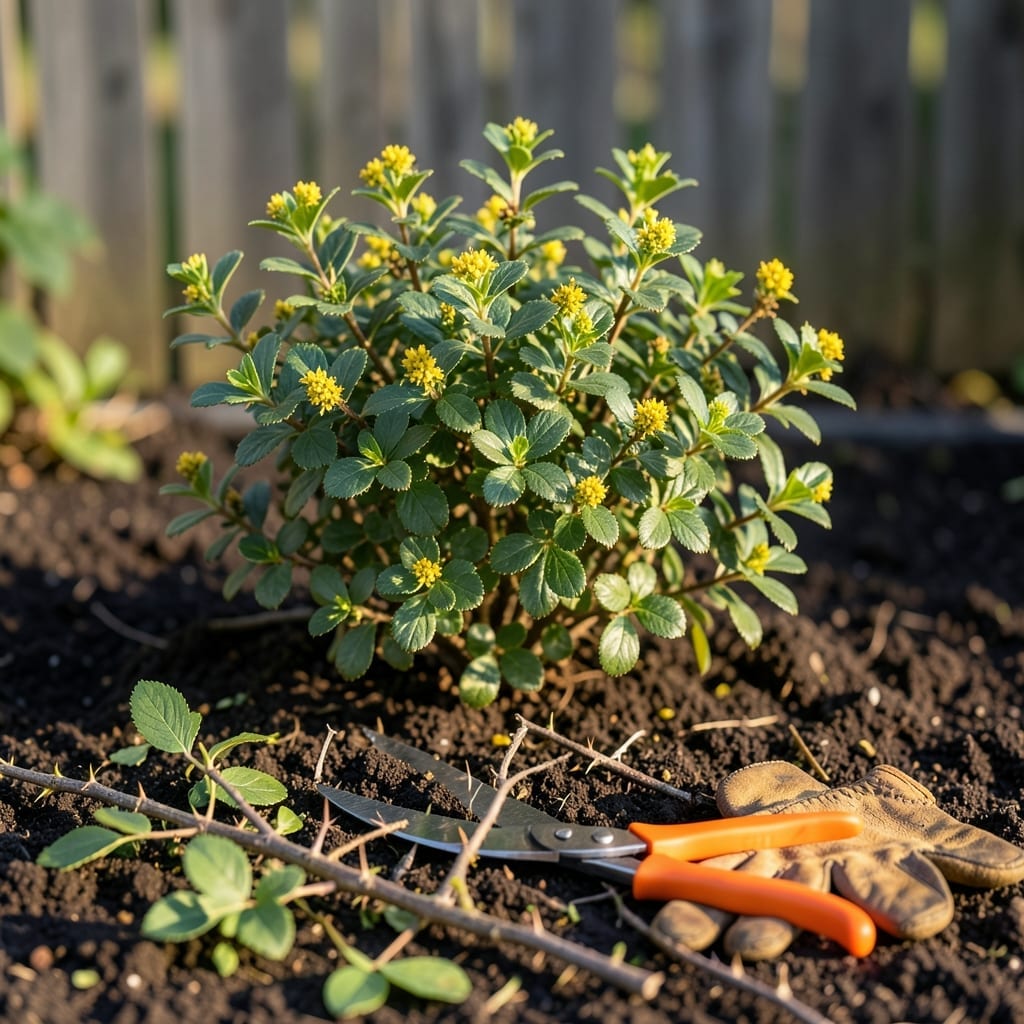
Timing your pruning right can make or break your 🌿 Barberry’s health and appearance. Prune too late, and you risk stunting its growth. Do it too early, and you might expose it to winter damage.
I’ve seen firsthand how the right schedule transforms a struggling shrub into a thriving centerpiece. The key lies in understanding your plant’s natural cycles.
Discover the optimal seasons and techniques to keep your Barberry flourishing year after year. Let’s get started.
The ideal time to prune your Barberry is in the late winter to early spring, just before the new growth starts. This timing allows the plant to heal quickly and promotes healthy regrowth during the active growing season.
I always avoid pruning in the fall because the new growth stimulated by pruning may not have enough time to harden off before the winter frost, making the shrub more susceptible to damage.
| Season | Action | Purpose |
|---|---|---|
| Late Winter | Major Pruning | Shape and rejuvenate before spring growth |
| Early Spring | Light Trimming | Remove dead or damaged branches |
| Summer | Minimal Shaping | Maintain desired form |
| Fall | Avoid Pruning | Prevent winter damage to new growth |
For Barberry varieties like Japanese Barberry or Thunbergii, the same timing applies. However, if you live in a colder climate (USDA zones 4-5), wait until the last frost has passed to avoid exposing fresh cuts to freezing temperatures.
In warmer climates (zones 7-8), you can start pruning as early as February. The key is ensuring the plant isn’t actively growing yet, which could stress it. Always check your local frost dates for the best results.
If your Barberry is overgrown, you can perform a rejuvenation prune in the early spring. Cut back about one-third of the oldest stems to the ground to encourage new shoots and improve airflow.
For light shaping during the growing season, a summer trim is acceptable. Just avoid removing more than 10% of the foliage at a time to prevent stressing the plant.
Remember, Barberry is a tough shrub, but proper timing ensures it stays healthy and vibrant. Always use sharp pruning shears to make clean cuts and reduce the risk of disease.
After pruning, give your Barberry a deep watering to help it recover. Adding a layer of mulch around the base can also protect the roots and retain moisture.
By following this schedule, your Barberry will reward you with lush growth and a neat appearance all season long. ✂️
Pruning your Barberry correctly ensures a healthy shape and vibrant growth. I always start by gathering the right tools: sharp bypass pruners, lopping shears, and protective gloves to handle thorny varieties.
Begin with thinning cuts to remove dead or diseased branches at their base. This improves air circulation and reduces pest risks. Next, use heading cuts to shape the outer growth, trimming just above a leaf node or bud.
Never remove more than 25% of the shrub in one session, as Barberry can become stressed. For rejuvenation pruning, spread the work over 2-3 seasons to avoid shocking the plant.
When making cuts, angle them at 45 degrees just above a bud or branch. This helps water run off and prevents rot. Avoid topping the shrub, as it leads to weak, sparse growth.
For Japanese Barberry, focus on maintaining its natural arching shape. With Thunbergii varieties, a more structured look works well. Always step back frequently to assess your progress and ensure balance.
After pruning, disinfect your tools with rubbing alcohol to prevent spreading diseases between plants. This simple step can save your garden from future problems.
With these techniques, your Barberry will stay healthy, attractive, and ready to thrive for years. ✂️