
Beautiful Plants For Your Interior
Beautiful Plants For Your Interior
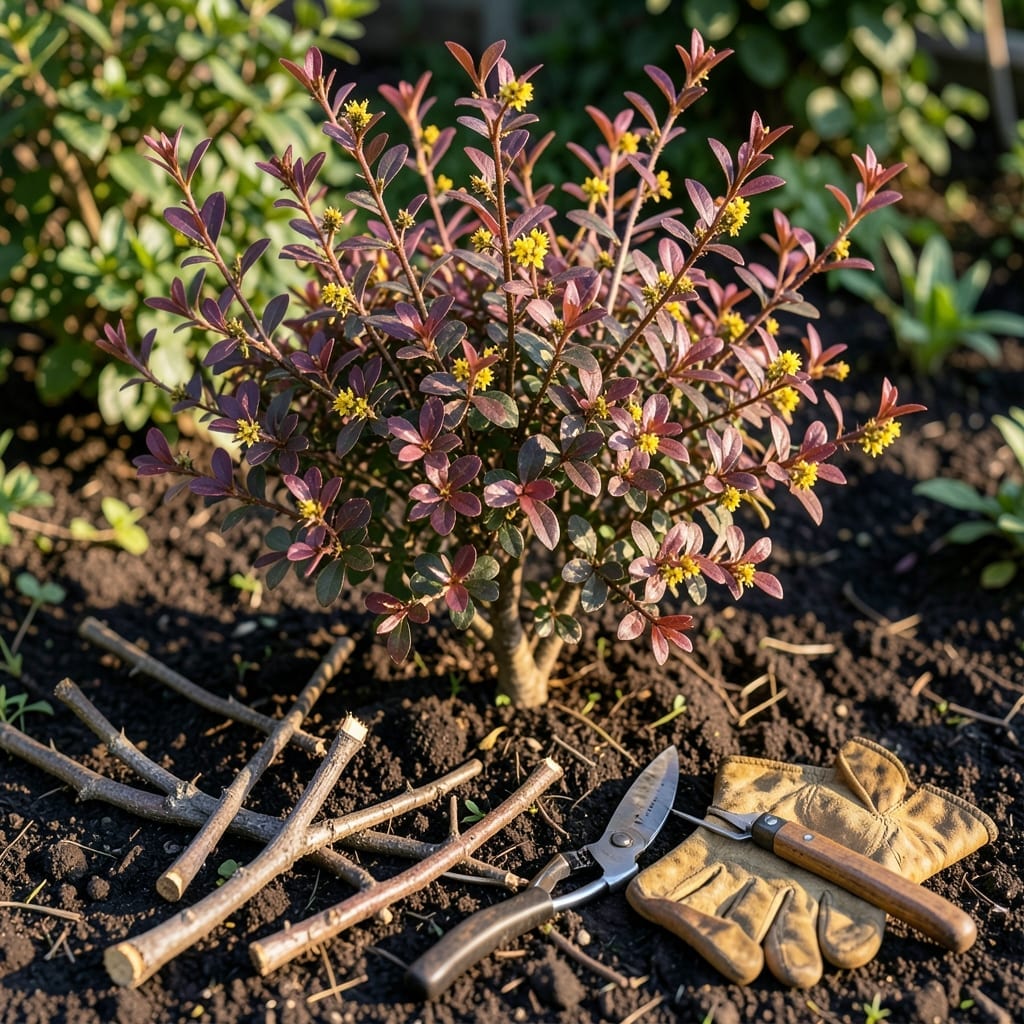
Pruning barberry bushes at the right time ensures vibrant foliage, controlled growth, and a thriving landscape. Mistiming it can lead to stunted growth or missed blooming seasons.
I’ve learned that spring or fall is ideal for the 🌿 Barberry in zones 4-8. This timing helps the shrub recover quickly while avoiding stress during extreme temperatures.
Discover how proper timing and technique can make all the difference for your garden’s health and appearance.
Timing your pruning right is crucial for keeping barberry bushes healthy and vibrant. I always aim for late winter or early spring before new growth starts. This gives the plant time to recover and flourish.
In USDA zones 4-8, the ideal months are March to early April. Fall pruning can also work, but avoid doing it too late, as it may leave the plant vulnerable to winter damage.
| Stage | Action | Best Months |
|---|---|---|
| Late Winter | Remove dead or diseased wood | February – March |
| Early Spring | Shape and thin the shrub | March – April |
| Fall | Light pruning for shape | September – October |
| Avoid | Heavy pruning | November – January |
Pruning in late winter allows you to see the plant structure clearly without leaves. This makes it easier to identify and remove damaged branches or those growing in the wrong direction.
I also recommend light pruning after the first bloom in spring if your barberry produces flowers. This encourages new growth and helps maintain the desired shape throughout the growing season.
For fall pruning, stick to minor trimming. Heavy cuts in fall can stimulate new growth that won’t have time to harden off before cold weather arrives, increasing the risk of winter injury.
Avoid pruning during extreme heat or drought conditions. Stress from these factors can weaken the plant, making recovery from pruning more difficult and increasing susceptibility to pests.
If you live in a region with mild winters, you might get away with pruning a bit later. But in colder climates, stick to the early spring window to give your barberry the best chance to thrive.
Remember, barberry bushes are hardy plants, but they still benefit from thoughtful timing. A little planning goes a long way in keeping them healthy and attractive year-round.
I’ve found that consistent pruning not only improves the appearance of my barberry bushes but also enhances their overall vigor and disease resistance ✂️
Pruning barberry bushes properly keeps them healthy and attractive. I always start with sharp pruning shears to ensure clean, precise cuts. This prevents tearing the branches and reduces stress on the plant.
Begin by removing dead or diseased wood, cutting it back to the base. Next, thin out overcrowded branches to improve air circulation and light penetration, which helps prevent fungal diseases.
When shaping, aim for a natural form that complements your landscape. I like to step back frequently to assess the shape as I work, ensuring a balanced appearance from all angles.
For formal hedges, use hedge shears to create clean lines. If you prefer a more natural look, hand-prune individual branches to maintain an organic shape.
Always disinfect your tools between cuts, especially when removing diseased wood. I use a 10% bleach solution or rubbing alcohol to prevent spreading pathogens to healthy parts of the plant.
After pruning, water deeply to help the plant recover. Applying a layer of mulch around the base conserves moisture and protects the roots. This simple care routine keeps my barberries thriving year after year ✂️