
Beautiful Plants For Your Interior
Beautiful Plants For Your Interior
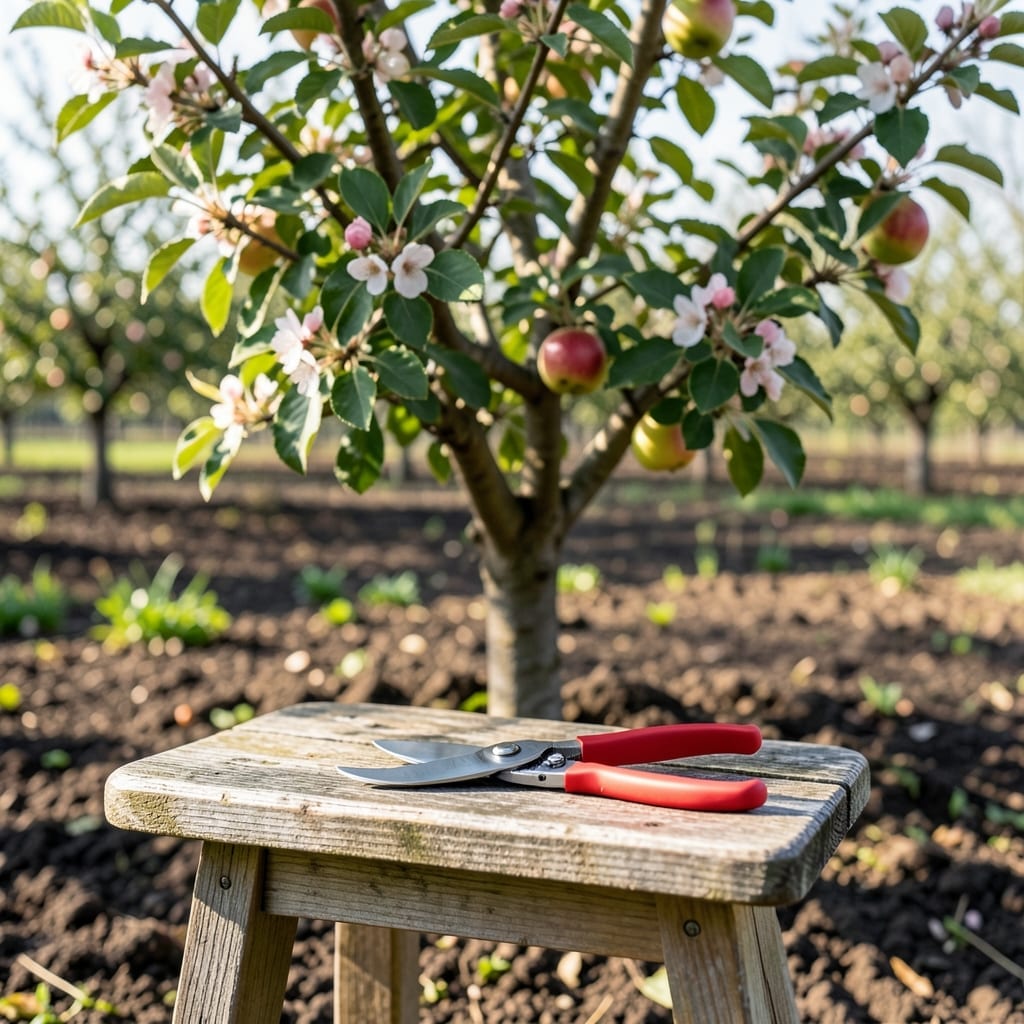
Timing is everything when it comes to pruning your 🍎 Apple Tree in Michigan. Do it right, and you’ll boost fruit production and tree health.
Do it wrong, and you risk stunting growth or inviting disease. Michigan’s unique climate in zones 5b-6a means your timing needs to be precise.
Let me show you the best seasonal windows to prune for vibrant, productive trees that thrive in our local conditions.
In Michigan’s zones 5b-6a, the best time to prune apple trees is during late winter dormancy, typically February to early March, before buds swell.
This window minimizes disease risk and maximizes tree vigor by allowing wounds to heal before spring growth begins.
| Season | Pruning Window | Key Reason |
|---|---|---|
| Late Winter | Feb-Early March | Dormant, low disease pressure |
| Early Spring | Avoid | Bud break increases vulnerability |
| Summer | Light pruning only | Remove water sprouts or damaged wood |
I always aim for late February in my Michigan orchard, just before the sap starts flowing. This timing helps prevent fire blight, a common issue in our humid summers.
The dormant season is ideal because the tree isn’t actively growing, so it can heal cuts without stress. Plus, it’s easier to see the tree’s structure without leaves.
If you miss the late winter window, early spring is your second-best option, but avoid pruning once buds begin to swell. This can reduce fruit set and leave the tree vulnerable.
For summer pruning, limit it to light touch-ups. Remove only water sprouts or diseased wood. Heavy pruning in summer can stress the tree and reduce fruit quality.
Avoid fall pruning entirely. In Michigan, this can stimulate new growth that won’t harden off before winter, leading to frost damage. It also increases the risk of disease entry through open wounds.
An often-overlooked benefit of late winter pruning is better tool access. Without leaves, you can easily spot and remove crossing branches or dead wood that might otherwise go unnoticed.
Remember, sharp tools are a must. I always sanitize my pruning shears with rubbing alcohol between cuts to prevent spreading disease. This is especially important in Michigan, where apple scab can be a problem.
Finally, keep an eye on the weather forecast. If a late frost is expected after you’ve pruned, consider delaying until temperatures stabilize. Michigan’s unpredictable springs can sometimes throw a curveball. ✂️
Pruning your apple trees in Michigan starts with the right tools. I always use sharp bypass pruners, a pruning saw, and loppers for thicker branches. Sanitize them with rubbing alcohol to prevent disease spread.
Begin by removing dead or diseased wood first. Look for blackened branches or those with peeling bark. These are clear signs of damage or illness that need immediate attention.
Next, tackle crossing or rubbing branches. These can damage each other and create entry points for pests and diseases. I like to remove the weaker of the two branches entirely.
For thinning cuts, remove branches growing inward or toward the tree’s center. This improves air circulation and allows sunlight to reach the fruit. Aim to keep the tree’s shape open and balanced.
When making cuts, always prune just above a healthy outward-facing bud. This encourages new growth in the right direction. Avoid leaving stubs, as they can invite rot or pests.
Finally, step back frequently to assess your progress. A well-pruned apple tree should have a strong central leader with evenly spaced scaffold branches. In Michigan, this structure helps the tree withstand heavy snow loads and strong winds. ✂️