
Beautiful Plants For Your Interior
Beautiful Plants For Your Interior
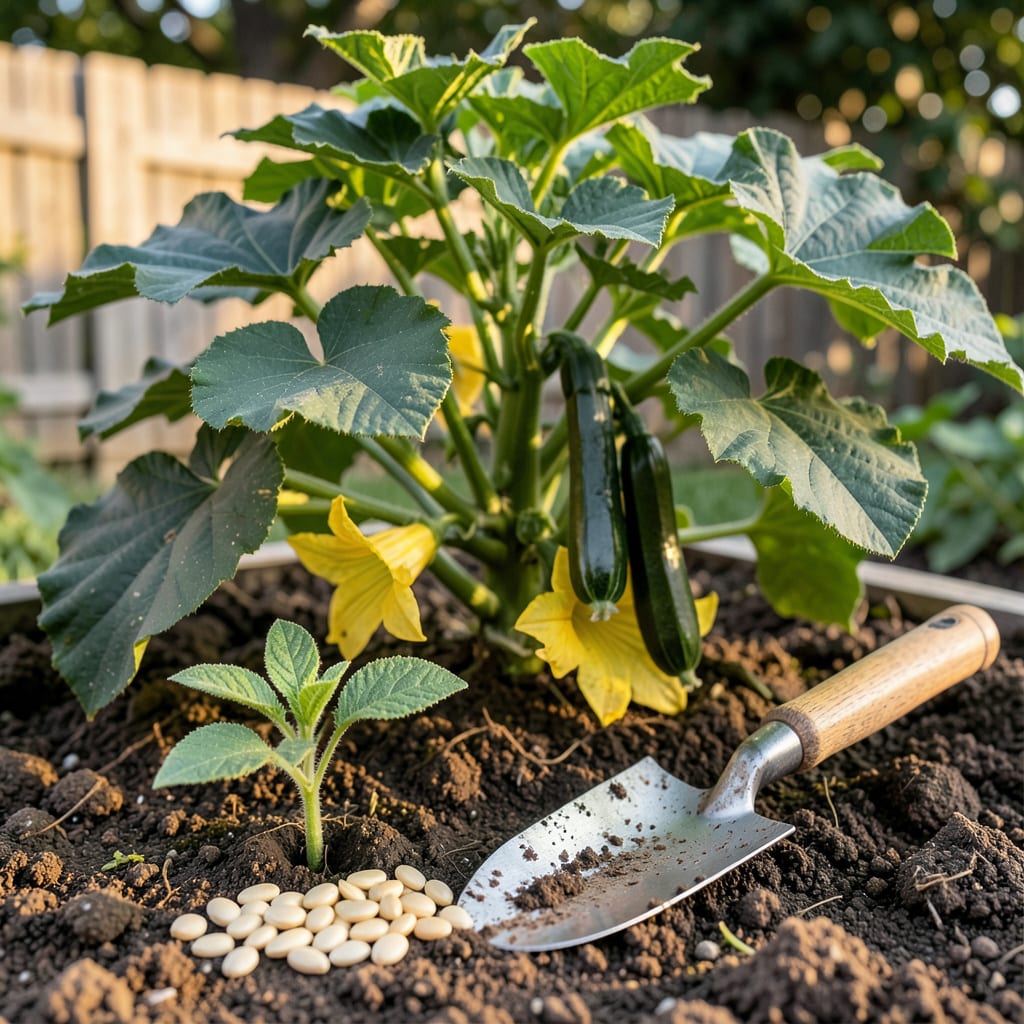
Texas gardeners know the struggle: plant your 🌱 zucchini too early, and a late frost could wipe out your crop. Wait too long, and the blazing summer sun will fry your seedlings before they even get started. The difference between a bumper harvest and a disappointing season often comes down to just a few weeks.
After years of testing planting windows across Texas’s diverse zones, I’ve cracked the code. Whether you’re in the Panhandle or the Gulf Coast, I’ll show you the exact timing to get those first tender zucchinis on your table by early summer—without gambling with Texas’s unpredictable weather.
If you’ve ever tried growing zucchini in Texas, you know our unpredictable weather can make or break your harvest. The key is understanding that Texas spans five USDA zones (6-10), each with unique frost dates and heat patterns. I’ll break down the exact windows for each region.
For successful germination, your soil temperature must stay above 60°F. In North Texas (Zone 6-7), that typically means waiting until late March, while South Texas gardeners (Zone 9-10) can start as early as February. Let’s look at the specifics.
| Zone | Spring Planting | Fall Planting | Last Frost |
|---|---|---|---|
| 6-7 (North) | Late March to April | Late July to August | April 15 |
| 8 (Central) | Mid-March to April | Early July to August | March 28 |
| 9 (South) | February to March | June to July | February 28 |
| 10 (Gulf Coast) | January to February | May to June | January 30 |
*Plant when soil reaches 60°F. Use row covers for early planting in cooler zones.
In North Texas (Dallas, Fort Worth), I always wait until after April 15—our average last frost date—to plant zucchini. The soil warms up reliably by then, and you’ll avoid late freezes that can kill young plants. For fall planting, aim for late July.
Central Texas gardeners (Austin, San Antonio) have a slightly longer season. You can push your spring planting to mid-March if you’re using black plastic mulch to warm the soil. Just watch for unexpected cold snaps—keep frost blankets handy!
Down in South Texas and along the Gulf Coast, you’re lucky—your mild winters mean you can start zucchini as early as January or February. But remember, our brutal summers mean you’ll want to plant heat-tolerant varieties like ‘Tatume’ or ‘Cocozelle’.
For fall zucchini, timing is everything. In Houston (Zone 9), I plant in June for a fall harvest. The key is getting plants established before the worst summer heat, then using shade cloth to protect them during peak afternoon sun.
No matter your zone, always test your soil before planting. Zucchini thrives in well-draining soil with plenty of organic matter. I mix in compost and a balanced fertilizer (like 10-10-10) before planting. And remember—zucchini plants are heavy feeders!
One pro tip: In our clay-heavy Texas soils, consider planting in raised beds or mounds to improve drainage. This prevents root rot during our sudden summer downpours. I’ve found this makes a huge difference in plant health and yield.
Finally, don’t forget about succession planting! For a continuous harvest, I plant a new batch of zucchini every 2-3 weeks until mid-summer. This ensures you’ll have fresh zucchini all season long, even if some plants succumb to pests or heat stress.
Even with perfect timing, Texas gardeners often sabotage their zucchini harvests with avoidable errors. The first mistake I see repeatedly is ignoring microclimates. Your backyard’s heat pockets or shade patterns can create conditions that differ dramatically from general zone recommendations.
Austin’s urban heat islands might let you plant 2-3 weeks earlier than rural areas in the same zone. Always check your specific location’s temperature patterns rather than relying solely on USDA zone guidelines. A simple soil thermometer is your best friend here.
*Bonus mistake: Forgetting to protect young plants from squash vine borers—use row covers until flowering!
The second critical error involves water management in our notorious clay soils. Many gardeners assume zucchini needs daily watering, but our heavy clay actually retains moisture longer than sandy soils. Overwatering leads to root rot and fungal diseases.
I recommend the “finger test”: stick your finger 2 inches deep into the soil. If it’s moist, wait another day. When you do water, give plants a deep soak (1-2 inches) rather than light sprinkles. This encourages deep root growth crucial for surviving Texas heat waves.
Perhaps the most costly mistake is neglecting succession planting. Zucchini plants typically produce heavily for 3-4 weeks, then taper off. Planting all your seeds at once means you’ll have a glut of zucchini for a month, then nothing.
Instead, I plant a new batch of 3-4 seeds every 2-3 weeks until early summer. This staggers your harvest so you’re picking fresh zucchini from June through September. In South Texas, you might even squeeze in a late summer planting for a fall crop.
Finally, don’t overlook variety selection. Not all zucchini thrives in Texas heat. I’ve had best results with ‘Tatume’ (a Mexican variety bred for heat) and ‘Cocozelle’ (great disease resistance). These handle our 90°F+ summers much better than standard varieties.
Remember: Texas gardening is about adapting to extremes. What works in Maine or Minnesota won’t cut it here. By avoiding these common mistakes and tailoring your approach to our unique climate, you’ll be harvesting armloads of zucchini while your neighbors wonder what went wrong with their plants.☀️
Not all zucchini varieties can handle Texas’s brutal summers. After testing dozens of cultivars in my Central Texas garden, I’ve found that heat tolerance and disease resistance are non-negotiable. The wrong variety will wilt in our 100°F+ temperatures or succumb to powdery mildew before producing.
For Texas gardeners, I recommend focusing on Mexican heirloom varieties and newer hybrids bred specifically for hot climates. These plants have deeper root systems to access moisture and thicker leaves that resist sun scorch. Let’s compare the top performers in my trials.
| Variety | Heat Tolerance | Days to Harvest | Best For |
|---|---|---|---|
| Tatume | ⭐⭐⭐⭐⭐ | 50-55 days | South Texas heat |
| Cocozelle | ⭐⭐⭐⭐ | 52-58 days | Disease resistance |
| Eight Ball | ⭐⭐⭐⭐ | 45-50 days | Container gardens |
| Black Beauty | ⭐⭐⭐ | 45-55 days | Classic flavor |
*All varieties show improved performance with afternoon shade in peak summer.
My personal favorite is ‘Tatume’, a Mexican variety that laughs at Texas heat. It produces round, pale green fruits with excellent flavor and keeps producing when other varieties give up. I’ve harvested ‘Tatume’ well into September when other plants had long since succumbed to heat stress.
For urban gardeners with limited space, ‘Eight Ball’ is a game-changer. This compact variety produces round zucchini perfect for containers. I’ve grown it successfully on my Austin patio in 5-gallon buckets with a trellis for support. Just ensure your containers have excellent drainage to prevent root rot in our humid summers.
If powdery mildew is a recurring problem in your garden, ‘Cocozelle’ should be your go-to. Its striped fruits are beautiful and delicious, but the real advantage is its natural disease resistance. I’ve found it requires far fewer fungicide sprays than other varieties during our humid summer months.
Remember that even the best varieties need proper care in Texas. I always mulch heavily with straw to keep roots cool and conserve moisture. A drip irrigation system delivers water directly to roots while keeping foliage dry, which helps prevent fungal diseases that thrive in our humid climate.☀️
Zucchini seeds need soil temperatures above 60°F to germinate properly. In Texas, this typically means waiting until late March in North Texas or as early as February in South Texas. Use a soil thermometer to check conditions before planting.
Choose compact varieties like ‘Eight Ball’ and use containers at least 5 gallons in size. Ensure excellent drainage and place in full sun. Container plants dry out faster, so check moisture daily during summer heat.
Use frost blankets or row covers when nighttime temperatures drop below 32°F. In North Texas, keep covers handy until after April 15. Remove covers during the day to prevent overheating and allow pollination.
Practice succession planting by sowing new seeds every 2-3 weeks until mid-summer. This staggers production so you’re not overwhelmed with zucchini all at once. In South Texas, you might even get a fall crop by planting in June.
Texas heat can stress plants, especially in afternoon sun. Provide shade cloth during peak hours (1-5 PM) and maintain consistent moisture. Mulch heavily with straw to keep roots cool. Heat-tolerant varieties like ‘Tatume’ perform best in extreme conditions.
