
Beautiful Plants For Your Interior
Beautiful Plants For Your Interior
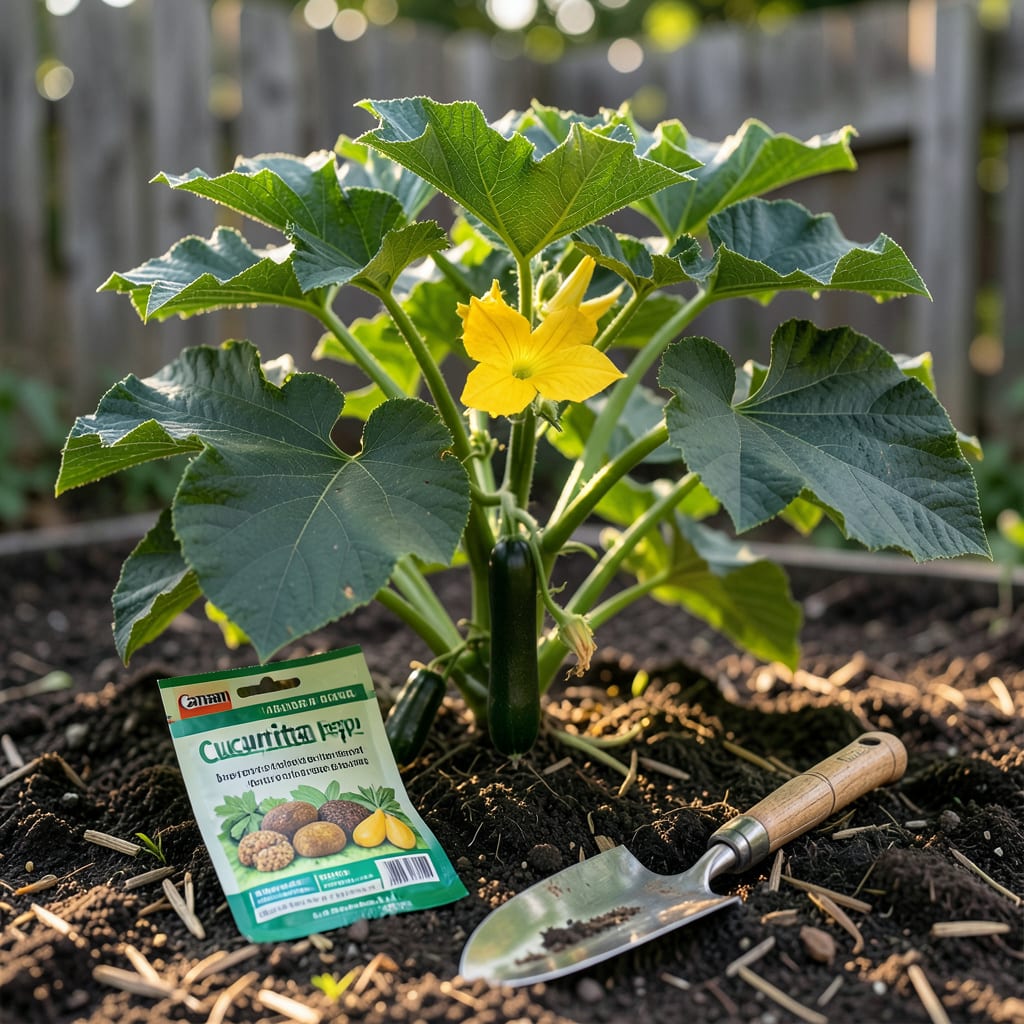
Southern California’s unique climate can make or break your 🌱 zucchini harvest. Plant too early, and unexpected chilly nights might ruin your seedlings. Wait too long, and the summer heat could fry your plants before they even flower.
The key? Timing varies dramatically between foggy coastal areas and scorching inland valleys. I’ll break down the exact windows for both zones—plus the soil prep tricks that’ll give your zucchini the best shot at thriving. Let’s get this right from the start.
If you’re eager to grow zucchini in Southern California, timing isn’t just important—it’s everything. The difference between a bountiful harvest and a struggling plant often comes down to when you put those seeds in the ground. Here’s the kicker: coastal areas and inland valleys have wildly different microclimates.
In coastal regions like San Diego or Orange County, you’ll battle cool ocean breezes and morning fog. Meanwhile, inland spots like Riverside or the San Fernando Valley deal with intense heat and lower humidity. These factors shift your planting windows dramatically.
| Factor | Coastal Areas | Inland Valleys |
|---|---|---|
| Best Planting Months | March–April, August | February–March, August–September |
| Last Frost Date | Rare (watch for cold snaps) | Mid-February |
| Soil Temp Minimum | 60°F (use black plastic) | 65°F (warms faster) |
| Heat Risk | Low (fog moderates temps) | High (afternoon shade needed) |
| Fall Planting Cutoff | Early September | Late August |
Tip: Use a soil thermometer—don’t guess!
For coastal gardeners, I recommend waiting until soil temps hit 60°F—usually late March or early April. The cool ocean influence means you can often sneak in a second planting in August for a fall harvest. Just watch for those rare late-season cold snaps!
Inland folks, you’ve got a head start—your soil warms up faster. I plant my first zucchini in late February if the forecast looks warm. But here’s the catch: afternoon temperatures above 90°F can stress plants. Use shade cloth or plant where they’ll get morning sun and afternoon shade.
Both regions can pull off a late-summer planting for fall zucchini, but timing is tighter inland. I stop sowing seeds by late August in Riverside, while coastal gardeners can push into early September. The goal is to harvest before the first frost—or in our case, before Santa Ana winds dry everything out!
Here’s a pro trick: succession planting. I sow a new batch every 3-4 weeks until the cutoff date. This staggers harvests so you’re not drowning in zucchini all at once. For inland areas, I’d stop by mid-July for the summer crop to avoid the worst heat.
Don’t forget about soil prep! Zucchini thrive in well-draining soil rich in organic matter. I mix in compost and a bit of sand if my soil is heavy clay (common in many SoCal yards). Aim for a pH between 6.0–7.5—a simple test kit from the nursery will tell you where you stand.
Watering is another critical factor. Coastal gardens often need less frequent watering due to higher humidity, while inland plants may need daily water in peak summer. Always water at the base of the plant to prevent powdery mildew, a common issue in our region.
Finally, keep an eye on the 10-day forecast before planting. If a heatwave or unusual cold snap is predicted, hold off a week. Zucchini seeds need consistent warmth to germinate—ideally 70–90°F soil temps. When in doubt, use a cloche or row cover to give them a cozy start.
Remember, these are guidelines—not rules set in stone. Every garden has its own microclimate quirks. I’ve had zucchini thrive in December in San Diego during an unseasonably warm year! The key is observing your specific conditions and adjusting accordingly. Happy planting! 🌱
Getting a longer zucchini harvest in Southern California isn’t just about luck—it’s about working with our unique climate. I’ve found that with a few smart strategies, you can enjoy fresh zucchini from early summer through fall, even in our finicky weather. Here’s how I stretch my season year after year.
The first trick is succession planting. Instead of sowing all your seeds at once, I plant a new batch every 3-4 weeks until late summer. This way, you’ll have a steady supply rather than a glut all at once. Coastal gardeners can often push this into early September, while inland folks should wrap up by mid-August.
Bonus: Morning sun + afternoon shade = happier plants in hot areas!
For inland gardeners, shade cloth is a game-changer. I drape 30-50% shade fabric over my zucchini when temps climb above 90°F. This simple step can mean the difference between thriving plants and crispy leaves. Coastal gardeners might not need this, but row covers can help in early spring when nights are still cool.
Watering wisely is another key. Inland zucchini often need daily water in peak summer, while coastal plants may do fine with every other day. I always water at the base of the plant in the early morning to reduce evaporation and fungal risks. A drip irrigation system is my secret weapon—it delivers water right to the roots where it’s needed most.
Don’t overlook soil health. Zucchini are heavy feeders, so I mix in plenty of compost before planting and side-dress with a balanced fertilizer every 3-4 weeks. If your soil is sandy (common near the coast) or clay-heavy (typical inland), amending with organic matter will improve drainage and moisture retention. A soil test can reveal if you need to adjust pH or nutrients.
Finally, variety selection matters. For summer plantings, I swear by ‘Cocozelle’ (heat-tolerant and prolific) or ‘Eight Ball’ (compact and fast-maturing). These handle SoCal’s heat better than classic varieties. And if powdery mildew is a recurring issue, try ‘Defender’, which has better resistance. Always save seeds from your best-performing plants to adapt to your microclimate over time.
Remember, extending your season is all about observation and adaptation. Keep a garden journal to track what works—you’ll start noticing patterns like which plantings thrive after a foggy June or which varieties wilt in July’s heat. With these tips, you’ll be harvesting zucchini long after your neighbors’ plants have called it quits! 🌿
Even experienced gardeners can watch their zucchini plants fail in Southern California’s tricky climate. I’ve made my share of mistakes—like planting too early in a coastal cold snap or letting soil dry out during a heatwave. Let’s tackle the most common pitfalls so you can sidestep them entirely.
The biggest error I see? Ignoring microclimates. A planting date that works in San Diego’s foggy coast might be disastrous in Riverside’s inland heat. Always adjust based on your specific location, not just general SoCal advice. I learned this the hard way after losing an entire crop to unexpected frost in a low-lying spot.
*Pro Tip: Morning watering reduces fungal risks in humid areas! 💧
Another critical mistake is poor soil prep. Zucchini need well-draining, nutrient-rich soil. I once planted in unamended clay soil, and the roots suffocated. Now I mix in compost and sand before planting. Test your soil’s drainage by digging a 1’ hole, filling it with water, and timing how long it takes to drain. If it’s still wet after 4 hours, amend with organic matter.
Watering missteps are equally deadly. Inland gardeners often underwater, while coastal folks overwater. The rule I follow: 1–2 inches per week, adjusted for weather. Use the finger test—stick your finger 2” into the soil. If it’s dry, water deeply. Mulching with straw helps retain moisture and keeps roots cool in our hot summers.
Finally, don’t overlook pest and disease prevention. Squash bugs and cucumber beetles love zucchini. I plant nasturtiums and marigolds as traps and use row covers early on. For powdery mildew, I spray a mix of 1 tsp baking soda + 1 quart water weekly. Rotate crops yearly to prevent soil-borne diseases—never plant zucchini in the same spot two seasons in a row.
Remember, even small tweaks can save your crop. I’ve rescued struggling plants by adding shade cloth during heatwaves or hand-pollinating when bees were scarce. Keep a garden journal to track what works—you’ll spot patterns like which varieties resist mildew or which planting dates yield the most. With these fixes, you’ll avoid the heartbreak of wilted plants and enjoy a thriving harvest instead! 🌿
Zucchini seeds germinate best when soil reaches 60–70°F. Coastal areas may need black plastic to warm soil faster, while inland gardens often hit this naturally by late February. Use a soil thermometer for accuracy—guessing can lead to poor germination.
Not quite, but you can get close! Coastal gardeners can plant in early spring and late summer for two harvests. Inland areas may struggle with summer heat—stick to spring and fall plantings. Winter is risky due to occasional cold snaps.
Dry winds can desiccate zucchini leaves overnight. Use windbreaks like burlap screens or plant near fences. Mulch heavily to retain moisture, and water deeply before winds hit. In extreme cases, temporary row covers can shield young plants.
This usually means poor pollination. Hand-pollinate by transferring pollen from male to female flowers with a small brush. Plant pollinator-friendly flowers like borage nearby. Avoid pesticides that harm bees. Early morning is the best time for pollination success.
Both work, but transplants give a 3–4 week head start. Seeds are cheaper and adapt better to local conditions. For inland areas, I recommend transplants in late February to beat the heat. Coastal gardeners can direct-sow with less risk.
