
Beautiful Plants For Your Interior
Beautiful Plants For Your Interior
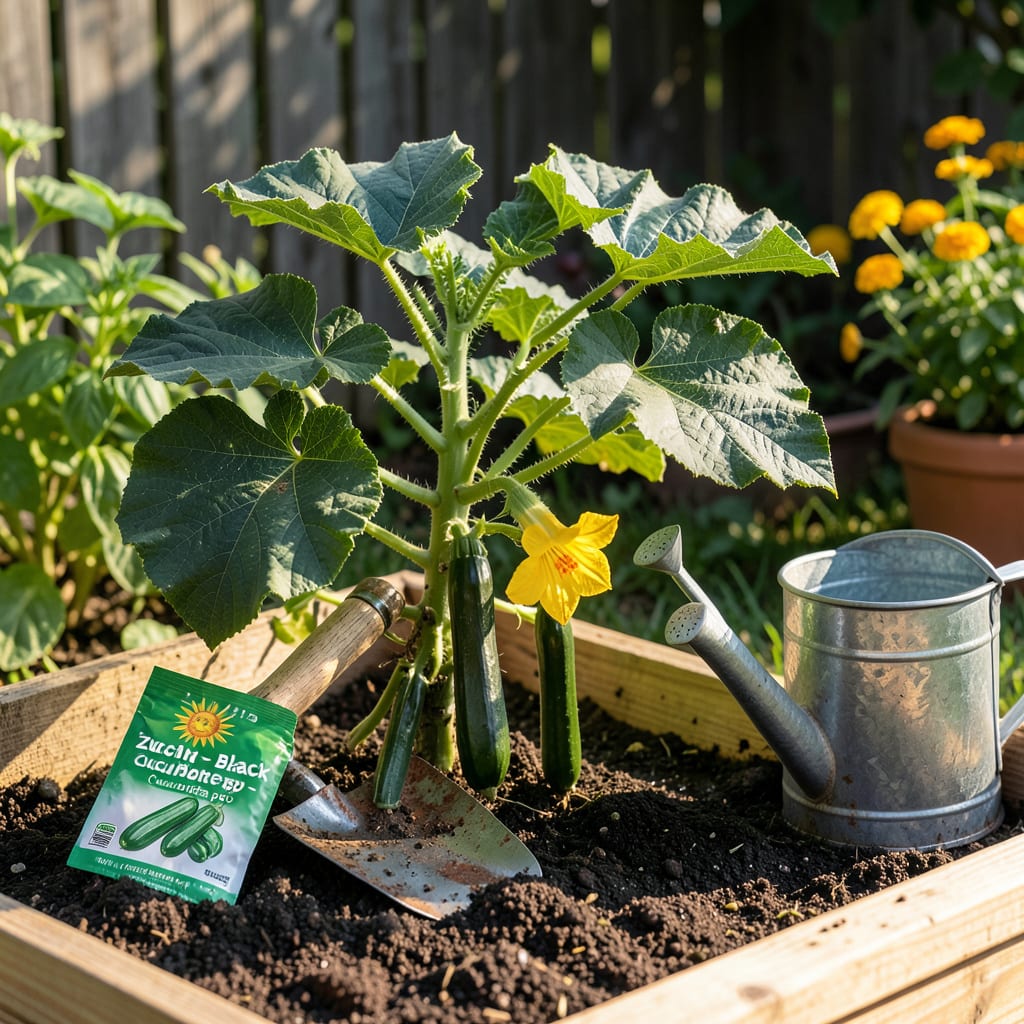
Seattle’s damp springs and short summers make timing everything when growing 🥒 zucchini. Plant too early, and chilly soil stunts growth; wait too long, and you’ll miss the prime window for those heavy harvests we all dream about.
I’ve tested the ideal schedule for Zone 8b gardeners—balancing frost dates, soil temps, and our region’s quirky microclimates. Whether you’re starting seeds indoors or sowing directly, I’ll show you exactly how to sync with Seattle’s rhythm for a zucchini bounty that keeps giving all summer.
If you’ve ever watched your zucchini seedlings sulk in Seattle’s chilly spring soil, you know timing is everything. Our maritime climate means we’re playing a delicate game between last frost dates (around April 15) and soil warmth—zucchini won’t thrive until soil hits 60°F. Get this wrong, and you’ll battle stunted plants or rot instead of harvests.
Here’s the good news: Seattle’s long summer days make up for our slow starts. By targeting late May through early July for planting, you’ll align with our 215 frost-free days and avoid the June gloom that can dampen early efforts. I’ll break down the exact windows—plus how to cheat the system with microclimates and soil tricks.
| Stage | Action | Seattle Dates | Pro Tip |
|---|---|---|---|
| Indoor Start | Sow seeds in pots | April 1–15 | Use heat mats (soil temp: 70°F+) |
| Hardening Off | Acclimate seedlings outdoors | May 1–10 | Start with 2 hours/day, increase gradually |
| Direct Sow | Plant seeds in garden | May 15–June 1 | Cover with black plastic to warm soil |
| Transplant | Move seedlings to garden | May 20–June 5 | Wait for night temps above 50°F |
| Succession Plant | Sow second crop | June 20–July 10 | Choose fast-maturing varieties like ‘Eight Ball’ |
| First Harvest | Pick young fruit | July 10–20 | Harvest at 6–8 inches for best flavor |
Seattle’s microclimates can shift these dates by 1–2 weeks. If you’re in Ballard or Capitol Hill, your urban heat island might let you plant earlier. Near Puget Sound? Hold off until early June—cooler air lingers there. I always use a soil thermometer ($10 at Swansons Nursery) to confirm my soil’s ready.
For earlier harvests, start seeds indoors under grow lights by April 1. Use biodegradable pots to avoid root shock when transplanting. If direct sowing, warm your soil first: Lay black plastic mulch for 2 weeks before planting—this can bump soil temps by 5–10°F, a game-changer in our cool springs.
Don’t forget succession planting! Seattle’s summer is short but intense. I plant a second crop by July 10 using fast varieties like ‘Cocozelle’ (50 days to harvest). This ensures fresh zucchini into September, just as my first plants start to fade. Pair with row covers to extend the season another 2–3 weeks.
Watch for powdery mildew—Seattle’s humid summers are perfect for this fungus. Space plants 3 feet apart for airflow, and water at the base only (never overhead). I swear by neem oil sprays every 2 weeks as prevention. Slugs? Set up beer traps or copper tape early—they’ll
Even experienced Seattle gardeners can sabotage their zucchini harvests with avoidable errors. Our cool, wet springs and short summers leave zero room for missteps. I’ve seen firsthand how these five common mistakes turn potential bumper crops into disappointing flops—often before plants even flower.
The biggest culprit? Ignoring soil temperature. Zucchini seeds rot in cold, soggy ground, and seedlings stall below 60°F. Yet I still see neighbors planting in April—only to replant in June after their first attempt fails. Let’s fix these errors before they wreck your season.
Seattle’s soil often stays below 60°F until late May. Planting too early causes seeds to rot or seedlings to stagnate. Fix: Use a soil thermometer and wait for consistent 60°F+ temps at 2″ depth. Warm soil with black plastic mulch 2 weeks pre-planting.
Zucchini needs 3–4 feet of space for airflow and sunlight. Cramped plants compete for nutrients and invite powdery mildew. Fix: Space plants 36″ apart in rows 4–5 feet apart. Use trellises for vertical varieties like ‘Tromboncino’ to save space.
Many gardeners plant once and stop. Seattle’s short season demands two plantings: late May and late June. Fix: Start ‘Eight Ball’ or ‘Cocozelle’ (50-day varieties) by July 10 for a fall crop. Use row covers to extend harvest into October.
Seattle’s damp conditions create perfect storms for slugs and powdery mildew. Fix: Set beer traps or copper tape at planting. Space plants for airflow and spray neem oil every 2 weeks. Water at the base only—never overhead.
Not all zucchini thrive in Seattle. Avoid long-season varieties like ‘Costata Romanesco’ (60+ days). Fix: Pick ‘Black Beauty’ (disease-resistant), ‘Eight Ball’ (compact), or ‘Cocozelle’ (early). Local nurseries like Swansons stock PNW-tested varieties.
I learned the hard way that Seattle’s June gloom can delay growth by weeks. Now I use cloches or low tunnels to protect young plants from cool, damp air. These simple covers can raise daytime temps by 10°F, giving seedlings the warmth they crave without risky early planting.
Another pro tip: Test your soil before planting. Seattle’s native soil is often acidic (pH 5.5–6.0), but zucchini prefers 6.0–6.8. Amend with lime or compost if needed. I add 1
Seattle’s short, damp summers demand zucchini varieties that thrive in cool, humid conditions. Not all cultivars perform well here—some need longer seasons or drier climates. After testing dozens at my Ballard community plot, I’ve narrowed it down to the top performers for our Zone 8b microclimates.
The key? Look for early-maturing (under 55 days), disease-resistant varieties that tolerate Seattle’s June gloom. Compact bush types also excel in our small urban gardens. Here’s my shortlist of winners—backed by local nursery recommendations and UW Extension trials.
| Variety | Days to Harvest | Best For | Seattle Perks |
|---|---|---|---|
| Black Beauty | 45-55 | Classic green zucchini | High mildew resistance, reliable in cool summers |
| Eight Ball | 40-45 | Round, compact fruit | Perfect for succession planting, fits small spaces |
| Cocozelle | 50-55 | Italian heirloom | Tolerates cooler temps, striped fruit resists rot |
| Tromboncino | 60-70 | Vining type | Grows vertically, avoids soil-borne diseases |
| Golden Glory | 50-55 | Yellow zucchini | Bright color easy to spot among foliage |
For container gardening, I swear by ‘Eight Ball’—its compact habit thrives in 5-gallon pots on my sunny balcony. Pair it with a trellis for ‘Tromboncino’ if you’re short on space. Both varieties handled Seattle’s 2022 cool summer like champs while my neighbor’s ‘Costata Romanesco’ struggled to set fruit.
If powdery mildew is your nemesis, ‘Black Beauty’ and ‘Cocozelle’ are your best bets. Their disease-resistant foliage holds up even in our humid Augusts. For flavor, ‘Cocozelle’ wins—its nutty, firm flesh holds up beautifully in grilled dishes (yes, I’ve tested this!).
Don’t overlook seed sources. I buy from Seattle Seed Company or Swansons Nursery—their stock is acclimated to our climate. Avoid big-box stores; their seeds may not be PNW-adapted. For organic options, ‘Golden Glory’ from Territorial Seed consistently outperforms generic brands in my trials.
Remember: Even the best variety fails without proper care. Amend Seattle’s heavy clay soil with compost and perlite for drainage. I mix in 1 inch of worm castings at planting—it gives seedlings the nutrient boost they need to power through our cool springs.
Seattle’s springs can be stubbornly cool. If soil temps dip below 60°F, use black plastic mulch to warm it up faster. Lay it down 2-3 weeks before planting to trap heat. A soil thermometer is your best friend—don’t guess!
Choose compact varieties like ‘Eight Ball’ or ‘Black Beauty’. Use a 5-gallon minimum container with drainage holes. Place in the sunniest spot (south-facing is ideal) and water daily—pots dry out faster than ground soil.
Slugs love our damp climate! Set up beer traps (bury a cup filled with beer) or wrap copper tape around containers. Hand-pick slugs at night with a flashlight. Coffee grounds sprinkled around plants can also deter them naturally.
For a fall crop, plant by July 10 using fast-maturing varieties like ‘Cocozelle’ (50 days). Use row covers to extend the season. In warm microclimates (like Capitol Hill), you might squeeze in a harvest until early October.
Cool Seattle summers often reduce pollination. Hand-pollinate by transferring pollen from male to female flowers with a paintbrush. Lack of bees? Plant borage or alyssum nearby to attract pollinators. Also check for powdery mildew—it stresses plants.
