
Beautiful Plants For Your Interior
Beautiful Plants For Your Interior
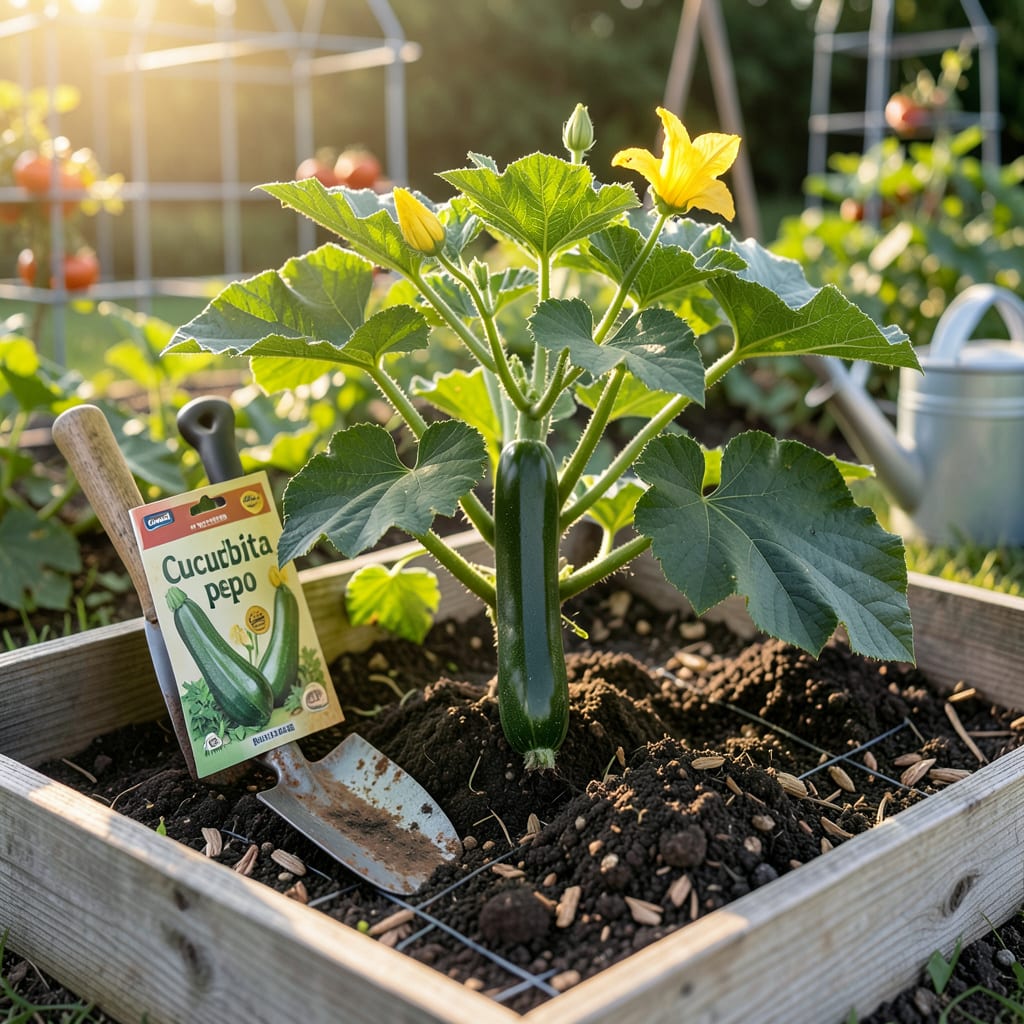
Timing your zucchini planting in Oregon can mean the difference between a bountiful harvest and a disappointing one. The state’s diverse microclimates—from the misty coast to the sunbaked Willamette Valley—demand precise planning.
I’ve seen gardeners lose seedlings to late frosts or miss the ideal window (late May through early July) because they didn’t account for soil temps or regional quirks. Let’s break down exactly when and how to plant your 🥒 for heavy yields—without the guesswork.
If you’ve ever wondered why your neighbor’s zucchini plants are thriving while yours struggle, it often comes down to local climate differences. Oregon’s diverse microclimates mean planting dates vary dramatically. The coastal areas stay cooler longer, while the Willamette Valley warms up faster.
I always recommend checking your last frost date first. Along the coast, you might wait until late May or early June, while valley gardeners can often start in mid-May. The key is soil temperature—zucchini needs at least 60°F to germinate properly.
| Region | Last Frost Date | Direct Sow Dates | Transplant Dates | Special Considerations |
|---|---|---|---|---|
| Oregon Coast | May 15–30 | Late May–June 10 | June 1–15 | Use black plastic mulch to warm soil faster |
| Willamette Valley | April 15–May 1 | Mid-May–June 1 | May 15–30 | Watch for late spring rains that cool soil |
| High Desert | May 15–June 1 | Late May–June 15 | June 1–20 | Use row covers for frost protection |
For coastal gardeners, the cooler ocean influence means you’ll need to be patient. I’ve found that starting seeds indoors in biodegradable pots about 3 weeks before your last frost date gives you a head start. Just
In the Willamette Valley, you have more flexibility. The soil warms up earlier, but be cautious of those unpredictable late spring showers. I recommend using raised beds to improve drainage and soil warming. This region often enjoys the longest growing season for zucchini.
The high desert presents unique challenges with its short growing season and potential for late frosts. Here, I always suggest using season extenders like cloches or cold frames. The intense sun means you’ll need to monitor soil moisture carefully.
No matter where you’re planting in Oregon, always check your soil temperature with a thermometer. Zucchini seeds won’t germinate well in cold soil, and seedlings may rot. I use a simple digital soil thermometer to take the guesswork out of planting.
For all regions, consider planting in succession—every 2-3 weeks until midsummer—to extend your harvest. This works particularly well in the valley where the season is longer. In cooler areas, focus on early-maturing varieties like ‘Eight Ball’ or ‘Patio Star’.
Remember that microclimates within your own garden can make a difference. South-facing slopes warm up faster, while low-lying areas may stay cooler. I’ve seen temperature variations of 5-10°F just within my own backyard!
If you’re unsure about your specific location, the OSU Extension Service offers excellent regional planting guides. They provide county-specific advice that takes into account Oregon’s diverse growing conditions. It’s my go-to resource for local gardening questions.
Even experienced gardeners can sabotage their zucchini harvest by making simple but costly errors. I’ve seen healthy seedlings wilt overnight because of avoidable mistakes. The most common? Ignoring soil temperature—planting in cold ground leads to poor germination or rot.
Another frequent issue is overcrowding plants. Zucchini needs space for air circulation to prevent powdery mildew, a common problem in Oregon’s humid summers. I recommend giving each plant at least 3-4 feet of space in all directions.
Mistake 1: Planting too early in cold soil (<60°F) causes seeds to rot or germinate poorly.
Mistake 2: Crowding plants reduces airflow, inviting fungal diseases like powdery mildew.
Mistake 3: Ignoring microclimates—urban areas may be warmer than rural frost pockets.
The third critical mistake is misjudging your microclimate. A garden in downtown Portland might be 5-10°F warmer than one just 20 miles away in the countryside. I use a simple thermometer to track temperature differences in my own yard.
Many gardeners also forget about soil preparation. Zucchini thrives in well-draining, nutrient-rich soil. I always amend my planting area with compost and check drainage before sowing. Poor soil leads to weak plants and smaller harvests.
Watering mistakes can also ruin your crop. Overhead watering promotes fungal diseases, while inconsistent moisture causes blossom-end rot. I use drip irrigation on a timer to maintain even soil moisture without wetting the leaves.
Finally, don’t neglect pollination. Zucchini relies on bees, but Oregon’s rainy summers can keep pollinators away. I hand-pollinate using a small paintbrush when needed, especially for early plantings under row covers.
Remember, the OSU Extension Service offers free soil testing and regional advice. I check their updated planting guides each season—it’s the best way to avoid these common pitfalls and ensure a productive zucchini harvest.☀️
Want zucchini all summer long? The secret is succession planting—staggering your plantings every 2-3 weeks. In Oregon’s climate, I start my first batch in late May, then plant another round in early July. This ensures fresh zucchini from July through October.
For coastal gardeners, the shorter season means focusing on fast-maturing varieties like ‘Eight Ball’ or ‘Patio Star’. These compact plants produce fruit in just 45-50 days, perfect for cooler areas. I’ve had great success with these in my own misty garden.
In the Willamette Valley, I use row covers to protect early plantings from chilly nights. These covers also help warm the soil faster. Just
For high desert gardeners, water management is crucial. The intense sun dries soil quickly, so I recommend drip irrigation on a timer. Mulching with straw helps retain moisture and keeps roots cool during heatwaves.
To combat Oregon’s late-summer rains, I plant my zucchini in raised beds with excellent drainage. This prevents waterlogged roots and reduces fungal diseases. A simple soil test before planting ensures proper pH (6.0-6.8) for optimal growth.
Mid-May is typically safe for direct sowing in the Willamette Valley. Always check your local last frost date—usually around April 15-May 1. Use a soil thermometer to confirm temperatures stay above 60°F before planting.
Coastal areas stay cooler longer, but black plastic mulch works wonders. Lay it down 2-3 weeks before planting to absorb heat. Raised beds also warm faster than ground soil. Consider starting seeds indoors in biodegradable pots for an earlier start.
Plant your first batch in late May, then another in early July. This extends harvests through October. Coastal gardeners should focus on fast-maturing varieties like ‘Eight Ball’ for best results in cooler climates.
Planting too early in cold soil is the #1 error. Zucchini seeds rot below 60°F. Wait until after your last frost date and verify soil temps. Overcrowding is another common issue—give plants 3-4 feet of space for proper airflow.
Use raised beds with excellent drainage to prevent waterlogged roots. Consider installing a simple hoop house or row cover during heavy rain periods. Mulching with straw helps too—it keeps soil from splashing onto leaves.
