
Beautiful Plants For Your Interior
Beautiful Plants For Your Interior
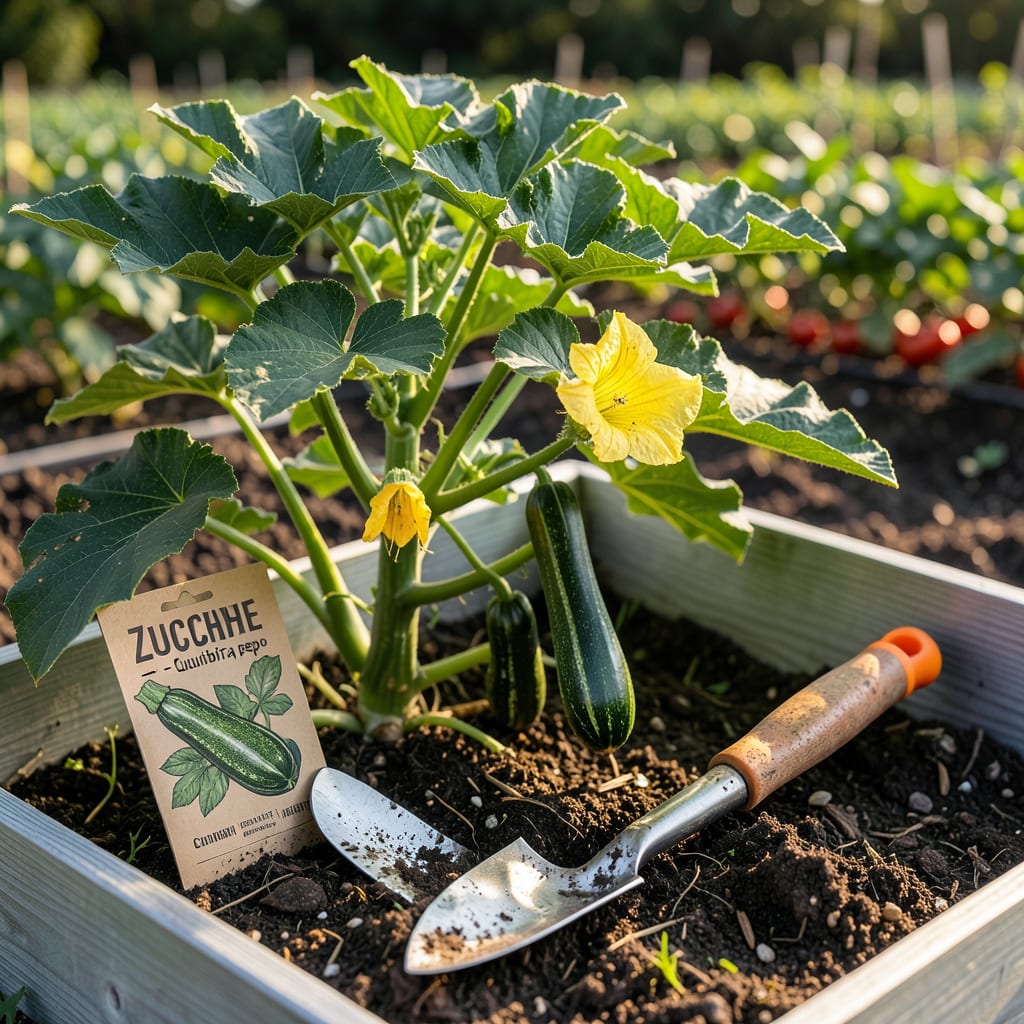
Timing your zucchini planting in Ohio can mean the difference between a bumper crop and a disappointing harvest. That first tender 🥒 straight from your garden is worth getting the schedule right—but Ohio’s unpredictable springs make it tricky.
I’ve seen too many gardeners rush to plant in April, only to lose seedlings to late frosts. The sweet spot? Wait until soil hits 60°F—usually mid-May for most of the state. Let’s break down the exact windows for Zones 5-6 so you don’t gamble with your garden this year.
Ohio’s climate can be tricky for zucchini planting, but nailing the timing means a summer full of fresh, homegrown squash. Since Ohio spans USDA Zones 5a to 6b, your planting window depends on where you live. Northern Ohio (Zone 5) has a shorter season, while southern Ohio (Zone 6) warms up faster.
For all zones, the golden rule is to wait until soil temps hit 60°F and the last frost has passed. In Cincinnati, that’s usually mid-April, but in Cleveland, you’ll need to wait until early May. Let’s break it down by region so you can plant with confidence.
| Zone | Last Frost Date | Direct Sow Outdoors | Start Indoors |
|---|---|---|---|
| 5a (Toledo, Cleveland) | May 1–10 | May 15–June 1 | April 15–30 |
| 5b (Akron, Columbus) | April 25–May 5 | May 10–25 | April 10–25 |
| 6a-6b (Cincinnati, Dayton) | April 10–20 | April 25–May 10 | March 25–April 10 |
Note: Urban areas (like downtown Columbus) may warm 1-2 weeks earlier due to heat islands. Use a soil thermometer for accuracy.
If you’re in Zone 5a, I recommend starting seeds indoors 3-4 weeks before your last frost date. Use biodegradable pots to avoid root shock when transplanting. For Zone 6 gardeners, direct sowing is often safer since the season is longer.
Don’t forget about succession planting! For a continuous harvest, sow a second crop in early July (Zones 6a-6b) or late June (Zone 5). This ensures you’ll have zucchini well into September before the first frost hits.
Microclimates matter too. If you garden near Lake Erie, expect cooler springs and later planting. In contrast, urban gardens in Cincinnati or Columbus may allow planting 7-10 days earlier than rural areas.
For the best results, I always check my soil temperature with a thermometer. Zucchini seeds rot in cold, wet soil, so wait until temps stay above 60°F for at least a week. A simple black plastic mulch can help warm the soil faster if you’re eager to get started.
If you’re planting transplants instead of seeds, harden them off for 7-10 days before moving them outside. This reduces shock and helps them thrive. Look for sturdy seedlings with 2-3 true leaves—those will establish fastest.
Remember, zucchini grows fast—expect harvests in just 45-55 days! In Ohio, that means you could be picking your first fruits by late June (Zone 6) or early July (Zone 5). Keep an eye out for squash bugs and powdery mildew, common issues in our humid summers.
For an extra boost, plant zucchini near nasturtiums or marigolds—they deter pests naturally. Avoid planting near potatoes, as they compete for nutrients. With the right timing and care, you’ll be swimming in zucchini all summer long! 🌿
Even experienced gardeners can sabotage their zucchini harvest with simple oversights. I’ve seen it happen year after year—healthy plants suddenly wilting or producing stunted fruits. The good news? These mistakes are easy to fix once you know what to watch for.
The biggest error I encounter is planting too early in cold soil. Zucchini seeds need 60°F+ soil temps to germinate properly. Plant them in chilly, wet ground, and they’ll likely rot before sprouting. Always use a soil thermometer—don’t guess!
💡 Pro Tip: If you must plant early, use row covers to protect seedlings from cold snaps.
Another common issue is overcrowding plants. Zucchini vines need room to sprawl—at least 24-36 inches between plants. I’ve seen gardeners pack seedlings too close, thinking they’ll save space. The result? Poor airflow, powdery mildew, and smaller harvests.
Ignoring pollinators is mistake #3. Zucchini relies on bees to transfer pollen between male and female flowers. If your plants flower but don’t set fruit, this is likely why. Plant bee-friendly flowers like alyssum or borage nearby to boost pollination.
Many Ohio gardeners also forget about succession planting. Zucchini produces heavily for 4-6 weeks, then slows down. For a steady supply, I plant a second crop in early July (Zone 6) or late June (Zone 5). This ensures fresh zucchini until frost.
Finally, watch your watering habits. Zucchini needs 1-1.5 inches per week, but avoid wetting leaves—this invites fungal diseases. I water at the base of plants in the morning to keep foliage dry. Mulch helps retain moisture and keeps fruits clean.
By avoiding these pitfalls, you’ll set your zucchini up for success. Remember: healthy plants produce more fruit with less effort. Next, let’s explore how to extend your harvest even longer! 🌿
Ohio’s growing season might feel short, but with the right tricks, you can enjoy zucchini harvests from early summer through fall. The key? Succession planting and smart frost protection. I’ve stretched my season by 6+ weeks using these methods—here’s how you can too.
Start by choosing fast-maturing varieties like ‘Cocozelle’ (50 days) or ‘Eight Ball’ (42 days). These thrive in Ohio’s climate and give you a head start. For a continuous supply, I plant my first crop in mid-May, then sow a second round in early July (Zone 6) or late June (Zone 5).
💡 Pro Tip: Use cloches for individual plants in early spring—they act like mini greenhouses!
For early-season protection, I swear by floating row covers. They trap heat while allowing light and water through. Remove them once flowers appear to let pollinators do their work. In fall, switch to cold frames or low tunnels to shield plants from light frosts.
Don’t overlook microclimate advantages. South-facing walls or paved areas absorb heat during the day and release it at night, creating warmer pockets. I’ve successfully grown zucchini 2 weeks longer by planting near a brick wall or using dark-colored containers on patios.
If you’re determined to push the limits, try ‘Tromboncino’ zucchini—it’s a vigorous climber that produces later in the season. Train it up a trellis to save space and improve airflow. Just be sure to harvest regularly; overgrown fruits slow production of new ones.
Remember, consistent moisture is critical during season extension. Mulch heavily with straw or shredded leaves to retain soil warmth and moisture. I water in the morning to allow foliage to dry before cooler evenings, reducing disease risk.
With these techniques, you can enjoy Ohio-grown zucchini from July through October. The effort pays off when you’re harvesting fresh squash while others are calling it quits for the year! 🌱
For Zone 5 (northern Ohio), begin seeds indoors April 1-15. In Zone 6 (southern Ohio), you can start as early as late March. Use biodegradable pots to prevent transplant shock.
Always aim to transplant seedlings 2-3 weeks after last frost when soil reaches 60°F.
Choose containers at least 18-24 inches deep with drainage holes. Use high-quality potting mix and place in full sun (6+ hours daily).
Dwarf varieties like ‘Eight Ball’ or ‘Patio Star’ work best. Water more frequently than ground plants.
Lack of pollination is the most common cause. Zucchini needs bees to transfer pollen from male to female flowers. Plant bee-friendly flowers like marigolds nearby to attract them.
Other culprits: cold nights (below 50°F) or over-fertilizing with nitrogen. Check for blooms but no fruit development.
In Zone 6, sow seeds by July 15 for fall zucchini. For Zone 5, plant by July 1. Choose fast-maturing varieties like ‘Cocozelle’ (50 days).
Use row covers in late season to protect from early frosts and extend production.
Cover plants with floating row covers or cloches when frost is forecasted. Remove covers during the day to allow pollination and prevent overheating.
For extra protection, use wall o’ water devices or place containers near south-facing walls. Always check the forecast!
