
Beautiful Plants For Your Interior
Beautiful Plants For Your Interior
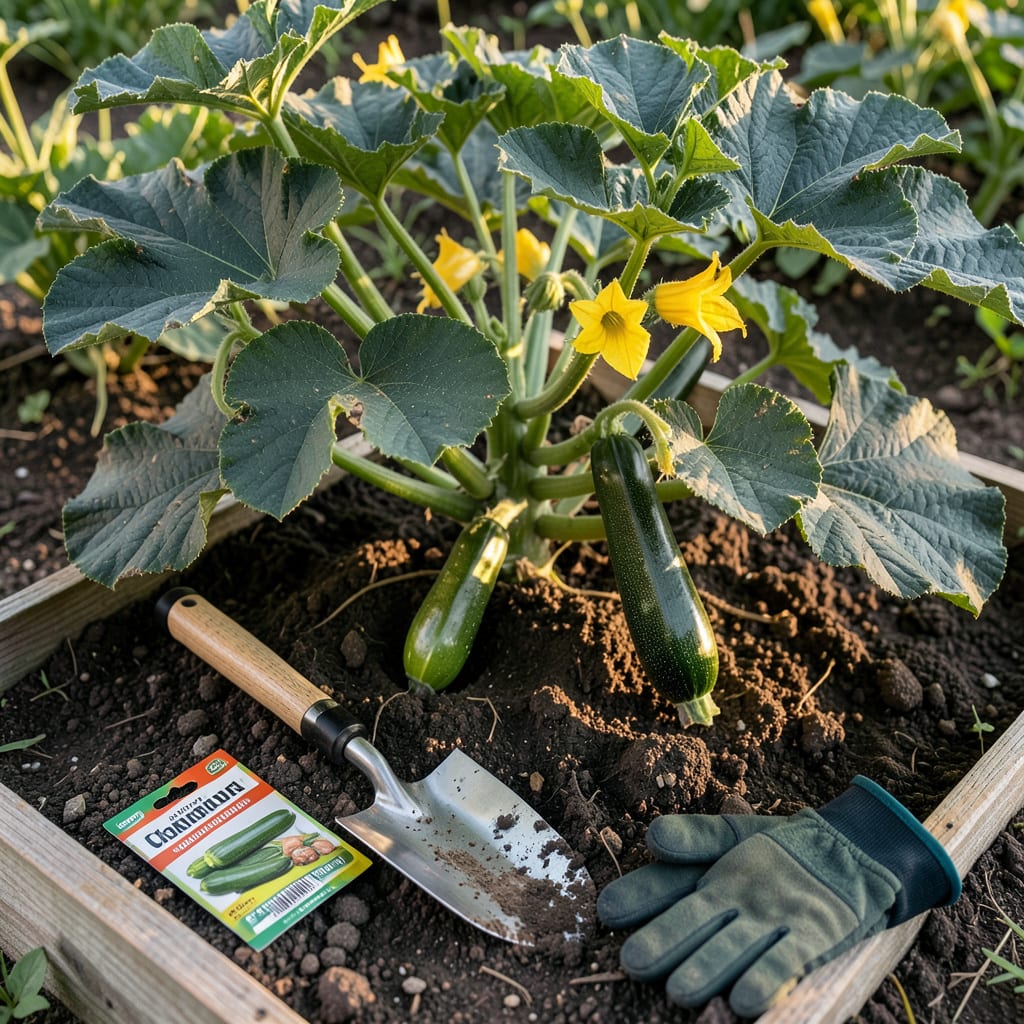
Timing your zucchini planting in North Carolina can mean the difference between a bountiful harvest and a disappointing yield. Plant too early, and a late frost might ruin your seedlings. Wait too long, and you’ll miss the prime growing window for this fast-producing veggie.
After years of testing and tweaking, I’ve nailed down the exact planting dates for NC’s diverse climates—from the Piedmont to the Coast. Whether you’re in zone 7b or 8a, I’ll show you how to get your 🥒 zucchini off to a strong start and keep them producing all season long.
If you’ve ever wondered why your neighbor’s zucchini plants thrive while yours struggle, the answer often comes down to regional timing. North Carolina’s diverse climate—spanning the coastal plains, Piedmont plateau, and mountain highlands—means planting dates can vary by 3-4 weeks across the state. 🌱
In the Coastal region (Zone 8a), warm soil arrives earlier, letting you plant as soon as late March. But head west to the Mountains (Zone 6b-7a), and you’ll need to wait until mid-May to avoid frost damage. The Piedmont (Zone 7b) splits the difference, with ideal planting from April 15 to May 1. ✂️
| NC Region | USDA Zone | Earliest Plant Date | Ideal Window | Last Safe Date | Soil Temp Threshold |
|---|---|---|---|---|---|
| Coastal Plain | 8a | March 20 | March 20–April 10 | April 30 | 60°F+ |
| Piedmont | 7b | April 10 | April 15–May 1 | May 15 | 60°F+ |
| Mountains | 6b–7a | May 1 | May 10–June 1 | June 10 | 65°F+ |
Pro Tip: Use a soil thermometer to confirm temps—don’t rely on air temperature alone!
For Coastal gardeners, the early March warmth might tempt you to plant sooner, but resist! Powdery mildew thrives in humid conditions, and young plants are vulnerable. Instead, use row covers to warm soil 2-3 weeks before planting. This trick can give you a head start without risk. ☀️
In the Piedmont, where last frost dates hover around April 15, I recommend black plastic mulch to speed up soil warming. Lay it down 3 weeks before planting, and you’ll gain 7–10 days of growing time. Just cut slits for seeds or transplants when ready. 🌡️
The Mountain regions face the shortest season, so succession planting is key. Start seeds indoors April 1 (4–6 weeks before transplanting), then move them outside after May 10. For a fall crop, sow directly by July 15—this ensures harvest before the first frost (Oct 10–15). 🪴
No matter your region, soil prep matters. Zucchini craves well-draining, fertile soil with a pH of 6.0–6.8. Work in 2–3 inches of compost and a balanced fertilizer (10-10-10) before planting. If your soil is heavy clay (common in the Piedmont), mix in sand or pine bark fines to improve drainage. 💧
Watch for microclimates in your yard—urban areas (like Raleigh or Charlotte) often run 5–10°F warmer than rural spots. A south-facing wall or paved driveway can create a heat island, letting you plant 1–2 weeks earlier. Use this to your advantage, but monitor soil moisture closely, as these areas dry out faster. ✂️
If you’re eager to extend the season, row covers or cold frames can protect early plantings from surprise frosts. Just
Finally, variety selection plays a role in timing. Fast-maturing types like ‘Eight Ball’ (42 days) or ‘Patio Star’ (45 days) are ideal for the Mountains’ short season. In warmer zones, ‘Black Beauty’ (50 days) or ‘Cocozelle’ (52 days) offer larger yields. Check seed packets for “days to maturity” and count backward from your first frost date to plan. 🌱
Even with perfect timing, small errors can sabotage your zucchini harvest. After helping dozens of NC gardeners troubleshoot their plants, I’ve noticed three repeated mistakes that slash yields—especially in our humid climate. Let’s fix them before you even pick up your trowel. 🌱
The #1 killer of young zucchini? Cold soil. Many gardeners plant when air temps hit 60°F, but soil temperature lags behind. If your soil is below 55°F, seeds rot and transplants stunt. Always use a soil thermometer—$10 could save your entire crop. 🌡️
In the Coastal and Piedmont regions, humidity creates the perfect storm for powdery mildew. I see gardeners lose half their leaves by July because they planted too close. Give each plant 36 inches of space—yes, even bush varieties—and prune lower leaves for airflow. ✂️
Here’s a regional twist: Mountain gardeners often under-water because they fear root rot in cooler soils. But zucchini needs 1–1.5 inches weekly, especially when fruiting. Use a drip irrigation system to keep foliage dry and prevent mildew while delivering consistent moisture. 💧
A silent yield-killer is poor pollination. Zucchini relies on bees to transfer pollen from male to female flowers. If you see lots of blooms but no fruit, hand-pollinate with a paintbrush or plant pollinator magnets like basil or marigolds. Avoid pesticides—they kill the bees you need! 🐝
Finally, don’t let weeds steal nutrients from your zucchini. A 3-inch layer of straw mulch suppresses weeds while keeping soil moist. In the Piedmont’s clay soil, mulch also prevents crusting, so seedlings emerge easier. Replenish mulch every 3–4 weeks as it breaks down. 🪴
Want zucchini from June through September? The secret is succession planting—staggering your crops so new plants mature as older ones fade. In NC’s long growing season, this trick can double or triple your harvest without extra garden space. Let me show you how to time it perfectly. 🌱
Start with your first planting during the ideal window for your region (check the table in Section 1). For the Piedmont, that’s April 15–May 1. Then, plant a second crop 3–4 weeks later—around May 15–20. This ensures a steady supply instead of a single overwhelming glut. ☀️
Coastal: March 20–April 10 | Piedmont: April 15–May 1 | Mountains: May 10–June 1. Use fast-maturing varieties like ‘Eight Ball’ (42 days) for early harvests.
Sow 3–4 weeks after first planting. In the Piedmont, aim for May 15–20. Choose heat-tolerant varieties like ‘Tigress’ to handle NC’s summer humidity.
For a late-season crop, plant by July 15 in the Piedmont/Coast or July 1 in Mountains. Pick quick varieties like ‘Astia’ (40 days) to beat frost.
Start seeds indoors 4–6 weeks before transplanting. Use peat pots to avoid root shock. Harden off seedlings for 7 days before moving outside.
Here’s a pro tip for Mountain gardeners: Use the “4th of July rule”. Plant your second crop by July 4 to ensure it matures before the first frost (mid-October). In warmer zones, you can push this to July 15, but don’t delay—zucchini needs 45–55 days to produce. 🌡️
For container gardeners, succession planting works too! Swap out spent plants with fresh seedlings every 6 weeks. Use 5-gallon containers (one plant per pot) and well-draining potting mix. Containers dry out faster, so check moisture daily in summer. 🪴
Remember, pollinators are crucial for all plantings. If bees are scarce, hand-pollinate by transferring pollen from male to female flowers with a paintbrush. Plant bee-friendly flowers like alyssum or borage nearby to attract helpers. Without pollination, you’ll get plenty of blooms but no zucchini! 🐝
Yes, starting seeds indoors gives you a head start! Begin 4-6 weeks before your last frost date. Use peat pots to avoid root shock when transplanting. Harden off seedlings for 7 days before moving them outside.
Use row covers or cold frames to shield young plants. These can add 2-4°F of warmth and protect against light frosts. Remove covers during the day to allow pollinators access once flowers appear.
Use a soil thermometer to check temperatures at 2-3 inches deep. Zucchini thrives when soil reaches 60°F or higher. If below 55°F, seeds may rot or germinate poorly.
Choose a 5-gallon container per plant and use well-draining potting mix. Containers dry out faster, so water daily in summer. Place in full sun (6+ hours) for best results.
This usually means poor pollination. Hand-pollinate by transferring pollen from male to female flowers with a paintbrush. Plant bee-friendly flowers nearby to attract pollinators. Avoid pesticides that harm beneficial insects.
