
Beautiful Plants For Your Interior
Beautiful Plants For Your Interior
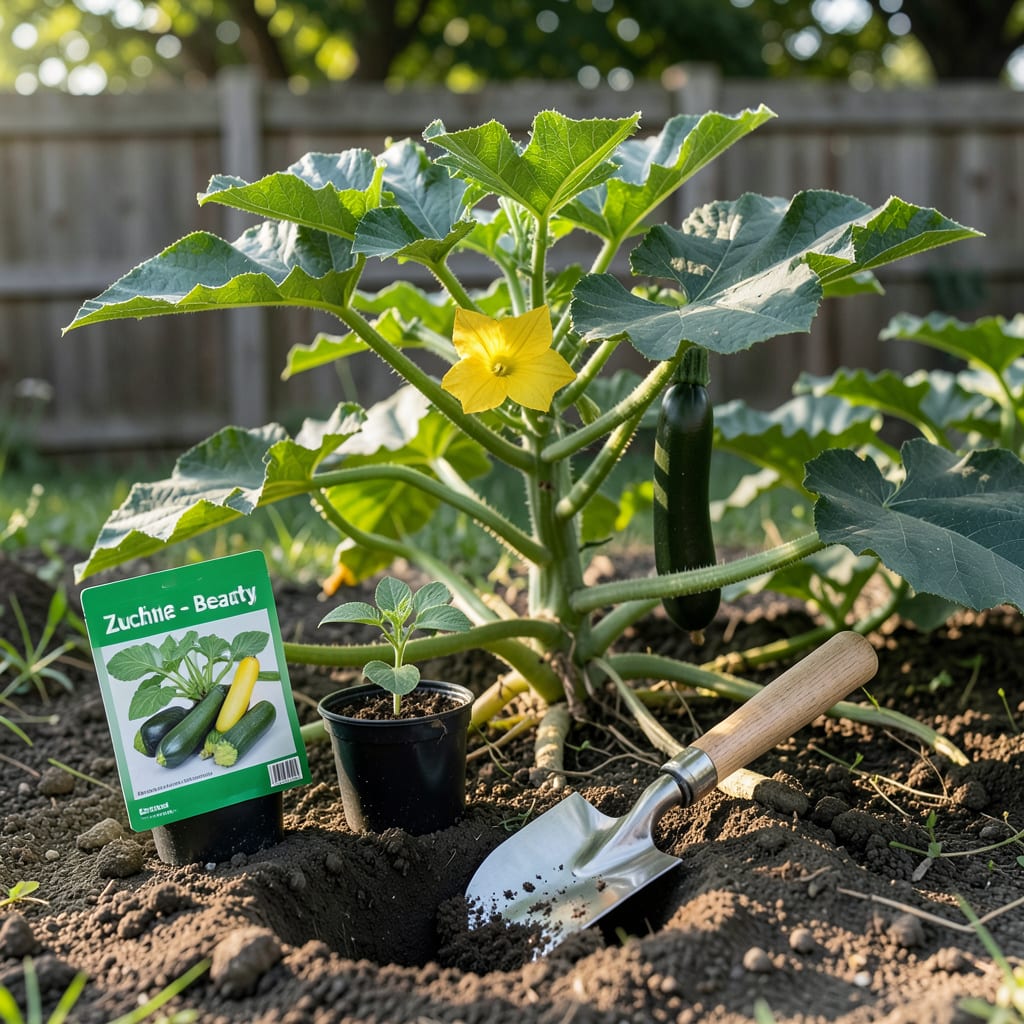
Timing your zucchini planting in Michigan can mean the difference between a bountiful harvest and a disappointing one. Plant too early, and a late frost could wipe out your seedlings. Wait too long, and you’ll miss the peak of summer’s growing power.
After years of testing what works in zones 5b-6b, I’ve nailed down the ideal window—plus a few tricks to stretch the season. Whether you’re in Traverse City or Detroit, these zone-specific insights will help you grow the juiciest 🥒 zucchini of your life. Let’s get it right from the start.
If you’ve ever wondered why your neighbor’s zucchini plants are thriving while yours struggle, the answer often comes down to timing and location. Michigan’s diverse climate means planting dates vary dramatically—what works in Detroit (Zone 6b) won’t fly in Marquette (Zone 5a). The key is knowing your last frost date and soil temperature.
Zucchini is a warm-season crop that demands soil temps above 60°F to germinate. Plant too early in Michigan’s unpredictable springs, and you risk rotten seeds or stunted growth. Wait too long, and your harvest window shrinks. Let’s break down the ideal planting windows for each zone so you can time it perfectly.
| USDA Zone | Region | Last Frost Date | Direct Sow Outdoors | Start Indoors | Soil Temp Requirement |
|---|---|---|---|---|---|
| 5a | Upper Peninsula, Northern Lower | May 15–30 | June 1–10 | April 15–30 | 60°F+ (use black plastic) |
| 5b | Central Lower (Lansing, Grand Rapids) | May 10–20 | May 20–30 | April 10–25 | 60°F+ (warms faster than 5a) |
| 6a | Southern Lower (Kalamazoo, Flint) | May 1–10 | May 15–25 | April 1–15 | 60°F+ (earliest planting) |
| 6b | Southeast (Detroit, Ann Arbor) | April 20–30 | May 1–15 | March 20–April 5 | 60°F+ (longest season) |
💡 Pro Tip: Use a soil thermometer to check temps at 2″ depth. If below 60°F, wait or use black plastic mulch to warm the soil faster.
In the Upper Peninsula (Zone 5a), I recommend starting seeds indoors by April 15 and transplanting after June 1. The shorter season here means every day counts! Downstate in Zone 6b, you can direct-sow as early as May 1 if the soil is warm enough. Remember, zucchini hates cold feet—planting in chilly soil leads to poor germination.
For fast-maturing varieties like ‘Eight Ball’ (42 days) or ‘Cocozelle’ (50 days), you can push the envelope slightly. These cultivars thrive in Michigan’s 150-day growing season and often outproduce standard varieties. If you’re in Zone 5a, stick to these shorter-season picks to guarantee a harvest before fall frosts arrive.
Don’t forget about succession planting! For a continuous harvest, I sow a second crop in early July (Zones 6a/6b only). This ensures fresh zucchini well into September. In cooler zones, focus on a single planting but use row covers to extend the season by 2–3 weeks. This trick can make or break your harvest in the UP.
Michigan’s clay-heavy soils can be a challenge for zucchini, which prefers well-draining, fertile ground. Before planting, I work in 2–3 inches of compost and a handful of balanced fertilizer (10-10-10). This gives roots the loose, nutrient-rich environment they crave. If your soil stays soggy, consider raised beds—they warm up faster and improve drainage.
Watch the 10-day forecast before planting. Even in Zone 6b, a late frost isn’t unheard of. If temps dip below 50°F after planting, cover seedlings with frost blankets or cloches. I’ve saved many a zucchini plant this way! Once nights stay above 55°F, you’re in the clear for unrestricted growth.
For those eager to get a jumpstart, black plastic mulch is a game-changer. Lay it down 2–3 weeks before planting to warm the soil. Cut X-shaped slits for seeds or transplants, and you’ll gain 7–10 days on the season. This is especially valuable in Zone 5a, where every warm day counts. Pair it with drip irrigation to keep foliage dry and prevent mildew.
Finally, resist the urge to plant zucchini near other squash family members (cucumbers, pumpkins) from the previous year. Crop rotation prevents soil-borne diseases like powdery mildew, which thrives in Michigan’s humid summers. Instead, plant where beans or peas grew last season—they’ll have left behind nitrogen, which zucchini loves.🌱
Michigan’s short growing season doesn’t have to mean a short zucchini harvest. With a few smart strategies, I’ve stretched my harvest from July through September—even in Zone 5a. The secret? Working with Michigan’s climate, not against it.
Start by choosing fast-maturing varieties like ‘Eight Ball’ (42 days) or ‘Cocozelle’ (50 days). These thrive in our 150-day season and often outproduce standard varieties. Pair them with season-extending tricks, and you’ll be swimming in zucchini while others are calling it quits.
In clay-heavy soils (common in southern Michigan), amending with compost and sand improves drainage and warms soil faster. I mix in 2–3 inches of compost and a handful of balanced fertilizer (10-10-10) before planting. This gives roots the loose, nutrient-rich environment they need to thrive.
Avoid overwatering—zucchini needs 1–1.5 inches per week, but soggy soil invites rot. Use the finger test: stick your finger 1 inch into the soil. If it’s dry, water deeply. In raised beds, check moisture daily; they drain faster than in-ground plots.
For pest control, plant nasturtiums or marigolds nearby to deter squash bugs. I also hand-pick pests early in the morning when they’re sluggish. If powdery mildew appears, spray leaves with a 1:10 milk-water solution—it’s a safe, effective fix.
Harvest zucchini when they’re 6–8 inches long for the best flavor. Check plants daily—they grow 1–2 inches per day in peak season! Use a sharp knife to cut stems cleanly, leaving 1 inch attached. This prevents stem-end rot and keeps plants producing longer.🌿
Not all summer squash thrive equally in Michigan’s short growing season and cool springs. While zucchini is a star performer, other varieties like yellow squash or pattypan may struggle with our humid summers and unpredictable frosts. The right choice can mean fewer pests and bigger harvests.
Zucchini often outperforms its cousins here because of its fast growth (45–55 days) and cold tolerance. But if you’re curious about alternatives, let’s compare how they stack up in Michigan’s Zones 5a–6b. You might be surprised which varieties give zucchini a run for its money!🌱
| Variety | Days to Maturity | Cold Tolerance | Pest Resistance | Best for Michigan Zone | Flavor/Texture |
|---|---|---|---|---|---|
| Zucchini (e.g., ‘Black Beauty’) | 45–55 days | Moderate | Good (watch for squash bugs) | 5a–6b | Mild, tender, versatile |
| Yellow Squash (e.g., ‘Straightneck’) | 50–60 days | Low | Fair (prone to vine borers) | 6a–6b only | Sweeter, softer when young |
| Pattypan (e.g., ‘Sunburst’) | 50–65 days | Low | Poor (attracts beetles) | 6b (needs warmth) | Nutty, firm (great for stuffing) |
| Crookneck (e.g., ‘Early Prolific’) | 55–70 days | Very Low | Fair | 6b (risky in 5a–6a) | Buttery, meaty texture |
| Compact Zucchini (e.g., ‘Eight Ball’) | 40–45 days | High | Excellent | 5a–6b | Dense, sweet (ideal for grilling) |
💡 Pro Tip: In Zone 5a, stick to zucchini or compact varieties—they’re your safest bet for a full harvest before frost. Save finicky squash like pattypan for warmer zones!
In northern Michigan (Zone 5a), I’ve found that ‘Eight Ball’ zucchini consistently outperforms other squash. Its 40-day maturity and compact growth habit make it ideal for our short season. Plus, its round shape resists wind damage better than long varieties—a bonus in our blustery springs.
For southern Michigan (Zones 6a–6b), you’ve got more flexibility. While zucchini still reigns supreme, yellow straightneck squash can thrive if planted after May 15 and given full sun. Just be vigilant about squash vine borers—they’re more aggressive here. I plant nasturtiums nearby as a natural deterrent.
If you’re tempted by pattypan or crookneck, consider starting them indoors by April 1 (Zone 6b only). Their longer maturity times make them risky for direct sowing in most of Michigan. Even then, I’d recommend row covers early in the season to protect against chilly nights. The extra effort is rarely worth it compared to reliable zucchini.
One often-overlooked advantage of zucchini? Its high productivity. A single healthy plant can yield 6–10 pounds of fruit in Michigan’s climate—far more than most summer squash. For small gardens, I’d rather grow two zucchini plants than four yellow squash and get triple the harvest. Efficiency matters in our short season!🌿
In Zone 6b (Detroit, Ann Arbor), you can direct-sow as early as May 1 if soil temps hit 60°F. For Zone 6a (Kalamazoo), wait until May 15 to be safe. Always check the 10-day forecast for late frosts—cover seedlings if temps dip below 50°F.
In Zone 5a, start seeds indoors April 15–30 and transplant after June 1. Use biodegradable pots to minimize root shock. Harden off seedlings for 7–10 days before moving them outside to acclimate to cooler nights.
Lay black plastic mulch over the bed 2–3 weeks before planting to raise soil temps by 5–10°F. You can also use cloches or row covers for extra warmth. A soil thermometer is key—don’t plant until it reads 60°F at 2” depth.
In Zones 6a/6b, you can plant as late as early July for a fall harvest. Stick to fast varieties like ‘Eight Ball’ (42 days). In Zone 5a, avoid late plantings—focus on a single June 1 planting with row covers to extend the season.
Cool Michigan nights (below 55°F) can cause temporary wilting, but plants usually recover by morning. If wilting persists, check for overwatering (soggy soil) or squash vine borers. Use drip irrigation and companion plants like nasturtiums to deter pests.
