
Beautiful Plants For Your Interior
Beautiful Plants For Your Interior
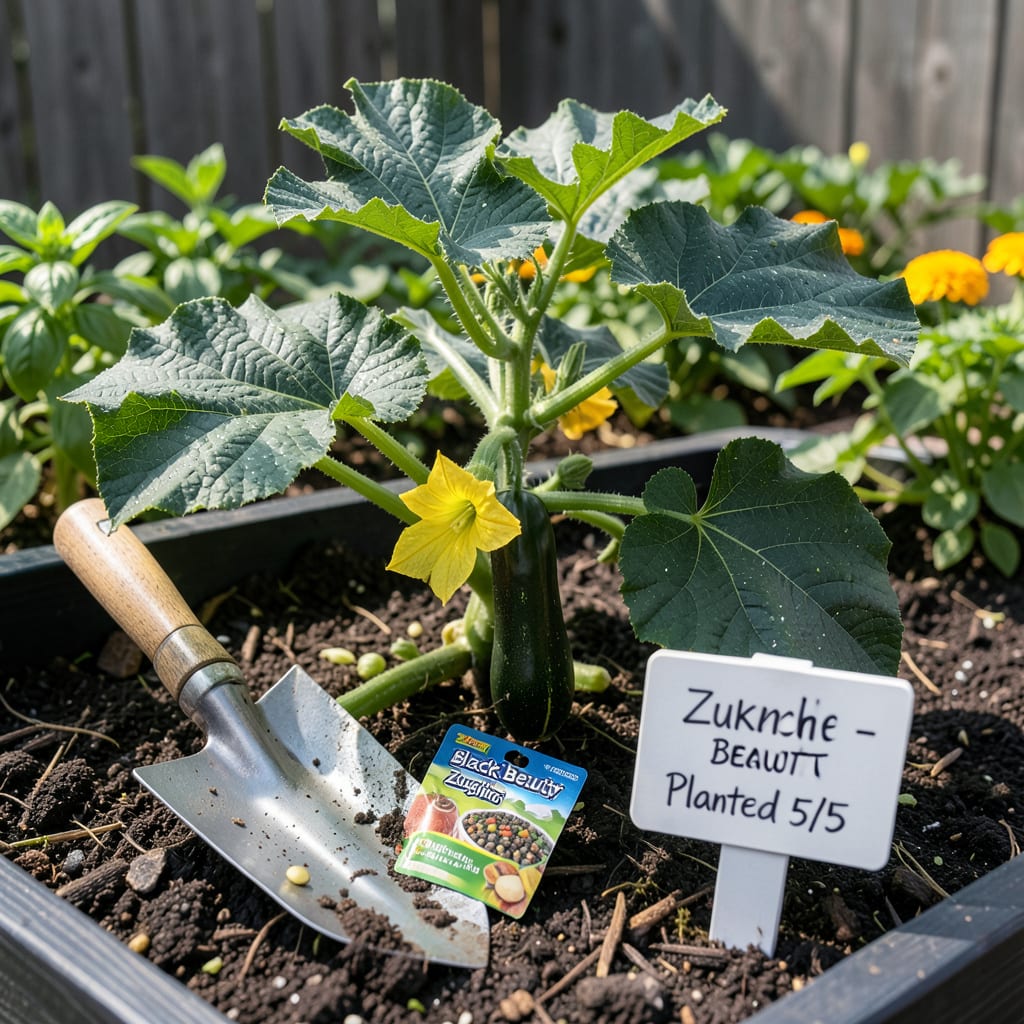
Florida’s gardeners know the struggle: plant zucchini too early, and a surprise frost wipes out your crop. Wait too long, and the summer heat turns your 🌱 zucchini dreams into wilted disappointments. But here’s the good news—you can actually harvest twice a year if you nail the timing.
I’ve tested the ideal windows across North, Central, and South Florida, and the differences might surprise you. Whether you’re dodging January chills or August’s scorching sun, I’ll show you exactly when to plant for bigger yields and fewer headaches. Let’s get it right the first time.
If you’ve ever tried growing zucchini in Florida, you know the state’s climate isn’t one-size-fits-all. From the panhandle’s chilly winters to South Florida’s tropical heat, timing your planting can make or break your harvest. I’ve found that even a two-week difference can mean healthier plants and bigger yields.
Florida’s three distinct regions—North, Central, and South—each have unique frost dates and microclimates. For example, North Florida (Zones 8-9) deals with occasional freezes, while South Florida (Zone 11) rarely sees frost. That’s why I always adjust my planting schedule based on where I’m gardening.
| Region | USDA Zones | Spring Planting | Fall Planting | Key Consideration |
|---|---|---|---|---|
| North Florida | 8-9 | March–April | August–September | Watch for late frosts (until mid-March) |
| Central Florida | 9-10 | February–March | September–October | Avoid peak hurricane season (Sept–Oct storms) |
| South Florida | 10-11 | January–February | October–November | Heat-tolerant varieties like ‘Cocozelle’ thrive here |
💡 Pro Tip: Coastal areas stay 5–10°F warmer than inland—adjust planting 1–2 weeks earlier!
In North Florida, I wait until soil temps hit 70°F—usually by late March—before direct-sowing seeds. If you’re eager, start seeds indoors 4 weeks before your last frost date. For Central Florida, February plantings often yield zucchini by early April, but I avoid late October sowings due to hurricane risks.
Down in South Florida, the game changes entirely. Here, January plantings take advantage of cooler “winter” temps, while fall crops go in by November to beat the summer heat. I’ve had great success with ‘Eight Ball’ zucchini—its compact size and 50-day maturity make it perfect for quick turnarounds.
No matter where you garden in Florida, soil prep is key. I amend my beds with compost and aged manure to improve drainage—critical in our humid climate. A pH of 6.0–6.8 is ideal. If your soil is sandy (common in Central Florida), mix in peat moss or coconut coir to retain moisture without waterlogging.
Spacing matters too! I plant zucchini 3–4 feet apart in rows 5–6 feet wide to allow airflow and reduce powdery mildew risk. In raised beds, stick to 2 plants per 4’x4’ bed—they’ll fill the space fast. For container growing (great for patios in urban areas), choose 5-gallon pots minimum.
One mistake I see often? Ignoring microclimates. If you’re near the coast, your last frost date might be weeks earlier than inland. Use tools like the Florida Automated Weather Network (FAWN) to track local soil temps. And don’t forget—zucchini hates wet feet! In rainy seasons, I use drip irrigation to keep foliage dry and prevent disease.
For a fall crop, timing is even trickier. In North Florida, I aim to harvest before first frost (mid-November). Central Florida gardeners can push it to December, but South Florida’s fall window is wide open—just watch for pests like squash vine borers, which thrive in warm weather. I plant ‘Tigress’ zucchini for its pest resistance.
Finally, don’t overlook succession planting. For a steady supply, I sow a new batch every 3–4 weeks during the growing season. This works especially well in Central and South Florida, where the long season allows for multiple harvests. Just be sure to rotate planting locations yearly to prevent soil-borne diseases.
Ready to get started? Grab your seeds, check your region’s dates, and remember: in Florida, zucchini loves warmth but hates extremes. With the right timing, you’ll be harvesting tender, homegrown zucchini in as little as 45–55 days! 🌱
Florida’s mild winters and long growing season give us a rare advantage: two zucchini harvests per year. The key? Strategic timing and variety selection. I’ve perfected a system to grow zucchini in spring/summer and again in fall/winter—without pest overload.
For the first harvest, focus on early spring planting (February–March in most regions). This lets you beat the summer heat that stunts growth. The second harvest starts in late summer/fall, capitalizing on cooler temps and fewer pests. Here’s how I make it work:
⏰ Pro Tip: In South Florida, skip summer planting—heat stress reduces yields. Focus on winter crops (Nov–Feb) instead.
For spring zucchini, I prioritize heat-tolerant varieties like ‘Cocozelle’ or ‘Golden Glory’. These handle Florida’s humidity and 90°F+ temps better than standard types. Plant in full sun (6–8 hours daily) and water deeply 2–3 times weekly—more if rainfall is scarce.
The fall/winter crop is where Florida gardeners shine. In Central/South Florida, I plant by late September to harvest before holiday feasts. North Florida gardeners should aim for early August plantings to beat frost. Use black plastic mulch to warm soil in cooler months.
Want bigger yields? Hand-pollinate flowers in high humidity (Florida’s mornings are best). Gently transfer pollen from male to female blooms with a small paintbrush. This boosts fruit set when bees are less active. Also, prune lower leaves to improve airflow and reduce powdery mildew risk.
Container gardeners, take note: Use 5-gallon pots (minimum) with drainage holes. I fill mine with a mix of 60% potting soil and 40% compost. Place containers where they’ll get morning sun but afternoon shade in summer. Dwarf varieties like ‘Patio Star’ thrive in pots.
Ready to double your harvest? Start with the spring planting window for your region, then mark your calendar for fall. With these tips, you’ll enjoy homegrown zucchini almost year-round—no grocery store trips needed! 🌿
Even experienced Florida gardeners can sabotage their zucchini crops with avoidable mistakes. The biggest culprit? Ignoring soil temperature. I’ve seen gardeners rush to plant in January, only to watch seeds rot in cold, damp soil. Zucchini needs 70°F+ soil to thrive.
Another common error is overwatering in humidity. Florida’s muggy air means soil stays moist longer. I water my zucchini deeply 2–3 times weekly, but always check the top 2 inches of soil first. Soggy roots invite root rot and powdery mildew.
💡 Quick Fix: Plant ‘Tigress’ zucchini—it resists pests and handles heat!
Timing mistakes trip up gardeners too. Planting during peak hurricane season (September–October) risks wind damage and flooding. I schedule fall plantings for late August (North Florida) or early November (South Florida) to avoid storms and capitalize on cooler weather.
Don’t overlook soil prep either. Florida’s sandy soil drains fast but lacks nutrients. I mix in 3 inches of compost and 1 cup of balanced fertilizer (10-10-10) per plant. For containers, use a 50/50 blend of potting soil and compost to retain moisture without waterlogging.
Finally, many gardeners forget to rotate crops. Planting zucchini in the same spot yearly invites soil-borne diseases like fusarium wilt. I follow a 3-year rotation: zucchini → beans → tomatoes. This breaks pest cycles and replenishes soil naturally. 🌱
Zucchini thrives when soil reaches 70°F or warmer. In Florida, this typically happens in late February to March for most regions. Use a soil thermometer to check—planting in colder soil risks seed rot.
Choose 5-gallon pots minimum with drainage holes. Use a mix of 60% potting soil and 40% compost. Dwarf varieties like ‘Patio Star’ work best—just ensure they get 6+ hours of sun daily.
Plant heat-tolerant varieties like ‘Cocozelle’ or ‘Golden Glory’. Mulch with straw to keep roots cool, and provide afternoon shade if temps exceed 90°F. Water deeply every 2–3 days to prevent stress.
Overwatering in Florida’s humidity! Zucchini needs consistent moisture but hates soggy roots. Check the top 2 inches of soil—if dry, water deeply. Poor drainage leads to root rot and powdery mildew.
Use row covers early in the season, then remove when flowers appear for pollination. Plant ‘Tigress’ zucchini—it’s borer-resistant. Rotate crops yearly and add nasturtiums as trap plants. These pests peak in June–July, so stay vigilant!
