
Beautiful Plants For Your Interior
Beautiful Plants For Your Interior
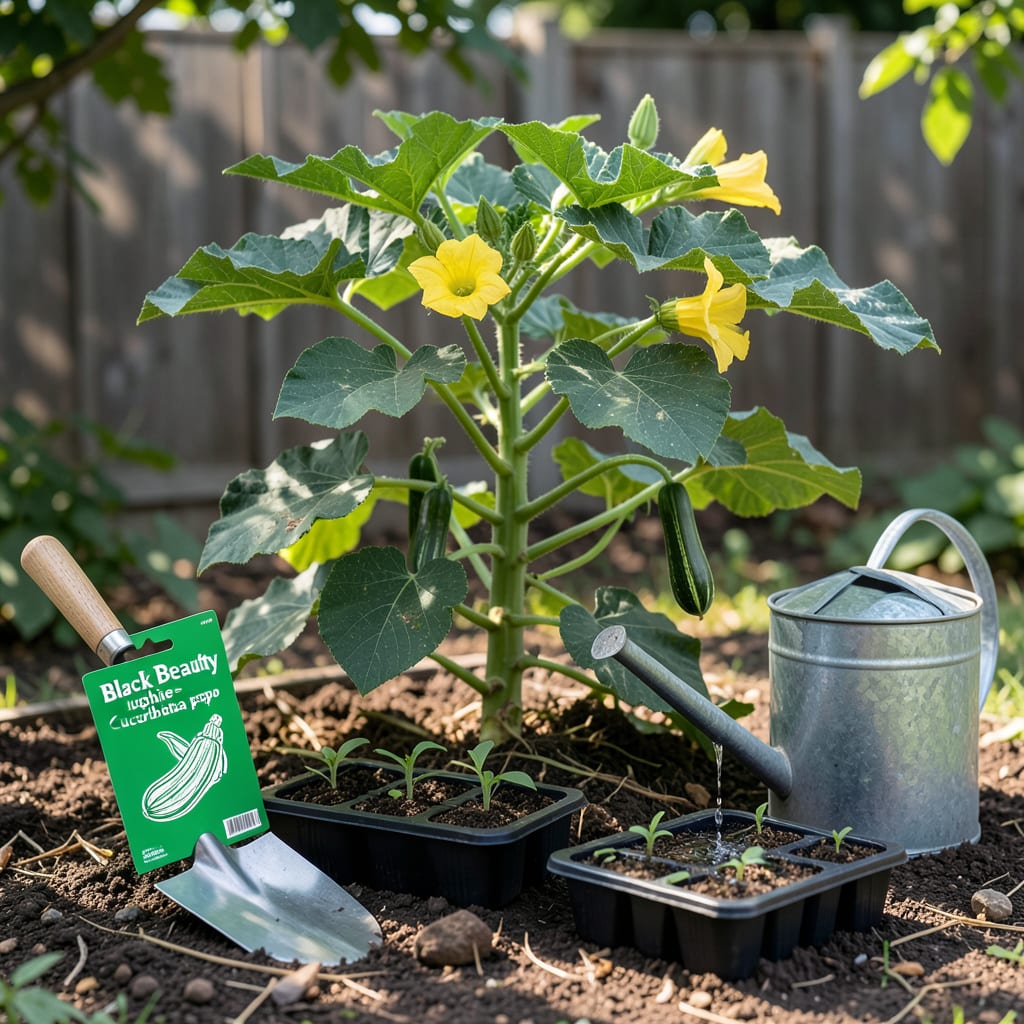
California’s zucchini season is a game of timing—plant too soon, and a surprise frost could wipe out your crop. Wait too long, and you’ll be harvesting in the scorching summer heat when plants struggle to thrive.
From the foggy coasts of Zone 9 to the blazing inland valleys, the rules change dramatically. I’ll break down the exact windows for your region, so you can get those 🌱 zucchini seeds in the ground at the perfect moment—no guesswork required.
If you’ve ever wondered why your neighbor’s zucchini plants thrive while yours struggle, it’s likely because California’s microclimates demand different planting schedules. From the foggy San Francisco coast to the scorching Inland Empire, timing can vary by weeks—or even months.
I’ve found that soil temperature is the golden rule: 60°F or warmer is non-negotiable for germination. Coastal gardeners often get a head start in March–April, while inland growers must wait until April–May to avoid late frosts. Desert regions like Riverside push planting to May to dodge early heatwaves.
*Adjust dates by 2 weeks for microclimates (e.g., urban heat islands).
In Northern California (Zones 7–9), I recommend starting seeds indoors 4–6 weeks before your last frost date. Transplant seedlings after hardening off—usually by late April. Southern California gardeners (Zones 9–11) can direct-sow as early as late February in sheltered areas.
Here’s a pro tip: Use a soil thermometer to check temps at 2-inch depth. If it reads below 60°F, hold off on planting. Cold soil causes seeds to rot, and seedlings grow sluggishly. I’ve lost count of how many gardeners rush planting after a warm spell, only to regret it when temps dip again.
For fall zucchini, coastal regions can sneak in a second crop by sowing in late July–August. Inland areas should aim for early July to beat the first frost. Desert growers often skip fall plantings due to prolonged heat, but if you’re determined, try shade cloth and extra mulch.
Don’t overlook succession planting! Stagger sowings every 2–3 weeks until midsummer for continuous harvests. This works especially well in Zone 9, where the growing season stretches into October. I’ve had success with ‘Eight Ball’ zucchini for late-season plantings—its compact size fits perfectly in fall gardens.
If you’re gardening in containers, start seeds in 5-gallon pots with drainage holes. Use a lightweight potting mix amended with compost. Container-grown zucchini needs daily watering in summer, so consider drip irrigation to keep moisture consistent. Place pots where they’ll get 6–8 hours of sun, like a south-facing balcony.
Watch for powdery mildew, a common issue in California’s humid coastal areas. Space plants 3–4 feet apart for airflow, and water at the base (not overhead) to reduce risk. Inland gardeners should monitor for squash bugs—handpick eggs from leaf undersides or use neem oil as a preventive spray.
Finally, remember that microclimates matter. A sunny spot against a south-facing wall in San Francisco might mimic Sacramento’s conditions, letting you plant 2–3 weeks earlier. Observe your garden’s unique patterns—keep a journal noting when plants thrive or struggle. Over time, you’ll dial in the perfect schedule for your slice of California 🌱.
Even with perfect timing, small errors can sabotage your zucchini harvest. After years of trial and error, I’ve seen three mistakes that repeatedly trip up California gardeners. The first is planting in cold soil—anything below 60°F spells disaster for seeds and seedlings.
Another common blunder? Ignoring your microclimate. A garden in San Francisco’s foggy Sunset District behaves wildly differently from one in Bakersfield’s heat. Coastal growers often underestimate how cool summer nights slow growth, while inland gardeners forget that afternoon shade can be a lifesaver in July.
*Bonus: Coastal gardeners, add 1 week to spacing—your cool summers slow growth!
The third mistake is overcrowding. Zucchini plants need 3–4 feet of space to prevent disease. I’ve seen gardeners pack plants too tightly, thinking “more = better,” only to watch powdery mildew take over by July. Thin seedlings early, and prune lower leaves to improve airflow.
Here’s a fix I swear by: succession planting. Instead of sowing all seeds at once, stagger plantings every 2–3 weeks. This ensures you’re harvesting fresh zucchini for months, not all at once. In Zone 9, I’ve extended my season into October using this method with ‘Eight Ball’ zucchini.
Watering mistakes also rank high. Many gardeners overwater seedlings, causing damping-off, or underwater mature plants during fruit set. Aim for 1–2 inches per week, delivered at the base of plants (never overhead). Drip irrigation works best—it keeps foliage dry, reducing fungal risks.
Finally, don’t ignore pest prevention. Squash bugs and cucumber beetles love California gardens. I handpick eggs weekly and apply neem oil every 10–14 days as a deterrent. For organic control, try planting nasturtiums as a trap crop—they lure pests away from your zucchini.
Remember, California’s diverse climates mean no one-size-fits-all solution. Keep a garden journal tracking what works (and what fails) in your specific spot. Over time, you’ll refine your approach—and those zucchini plants will thank you with a bumper crop 🌱!
Not all zucchini varieties thrive equally in California’s diverse climates. After testing dozens over the years, I’ve found that heat-tolerant and fast-growing cultivars perform best. Coastal gardeners need varieties that handle cool summers, while inland growers require types that withstand scorching heat without wilting.
For urban gardens or small spaces, compact varieties like ‘Eight Ball’ (round, bush-type) or ‘Patio Star’ fit perfectly in containers. These produce well in 5-gallon pots and don’t sprawl like traditional vining types. If you’re in a hot inland area, prioritize heat-resistant varieties like ‘Cocozelle’ or ‘Tromboncino’—they keep producing even when temps hit 90°F+.
*Pro tip: Coastal gardeners, choose ‘Black Beauty’ for early plantings—it handles cool nights better than most.
If powdery mildew plagues your garden, try ‘Defender’, a variety bred for disease resistance. It’s a game-changer in humid coastal areas where mildew thrives. For fall plantings, I recommend ‘Easy Pick Gold’—its bright yellow fruit matures quickly, beating early frosts in cooler regions.
For container gardening, stick to bush varieties like ‘Astia’ or ‘Patio Star’. These stay compact (under 3 feet wide) and produce full-sized fruit. Use a well-draining potting mix with compost, and ensure containers have drainage holes to prevent root rot. I’ve grown ‘Astia’ in 10-gallon fabric pots with great success—just water daily in summer.
Don’t overlook pollination needs. While most zucchini varieties are self-pollinating, planting ‘Parthenon’ (a parthenocarpic type) guarantees fruit set even without bees. This is ideal for urban balconies or areas with fewer pollinators. If you notice blossoms dropping without fruiting, hand-pollinate using a small paintbrush to transfer pollen.
Finally, consider your harvest goals. For fresh eating, ‘Black Beauty’ or ‘Easy Pick Gold’ are perfect. If you love stuffed zucchini, ‘Eight Ball’ or ‘Ronde de Nice’ (round varieties) hold fillings beautifully. For preserving, ‘Cocozelle’ stays firm when pickled. Match the variety to your needs, and you’ll enjoy a bumper crop all season 🌱.
Zucchini seeds need soil at least 60°F to germinate properly. Use a soil thermometer to check at 2-inch depth—planting in colder soil risks rot or weak seedlings. Coastal areas may need to wait until late March, while inland regions often hit this mark by April.
Choose compact varieties like ‘Eight Ball’ or ‘Patio Star’ and use 5-gallon pots with drainage. Place containers where they’ll get 6–8 hours of sun, like a south-facing spot. Water daily in summer, as pots dry out faster than ground soil.
Space plants 3–4 feet apart for airflow and water at the base (never overhead). In humid coastal areas, try ‘Defender’, a mildew-resistant variety. Remove infected leaves immediately and apply neem oil every 10–14 days as a preventive spray.
Yes! Stagger sowings every 2–3 weeks until midsummer for continuous harvests. This works especially well in Zone 9, where the season lasts into October. I’ve extended my harvest by 6+ weeks using this method with ‘Eight Ball’ zucchini.
Coastal gardeners can plant in late July–August for a second crop. Inland areas should aim for early July to beat frost. Use shade cloth in desert regions and choose fast-maturing varieties like ‘Easy Pick Gold’. Mulch heavily to protect roots from temperature swings.
