
Beautiful Plants For Your Interior
Beautiful Plants For Your Interior
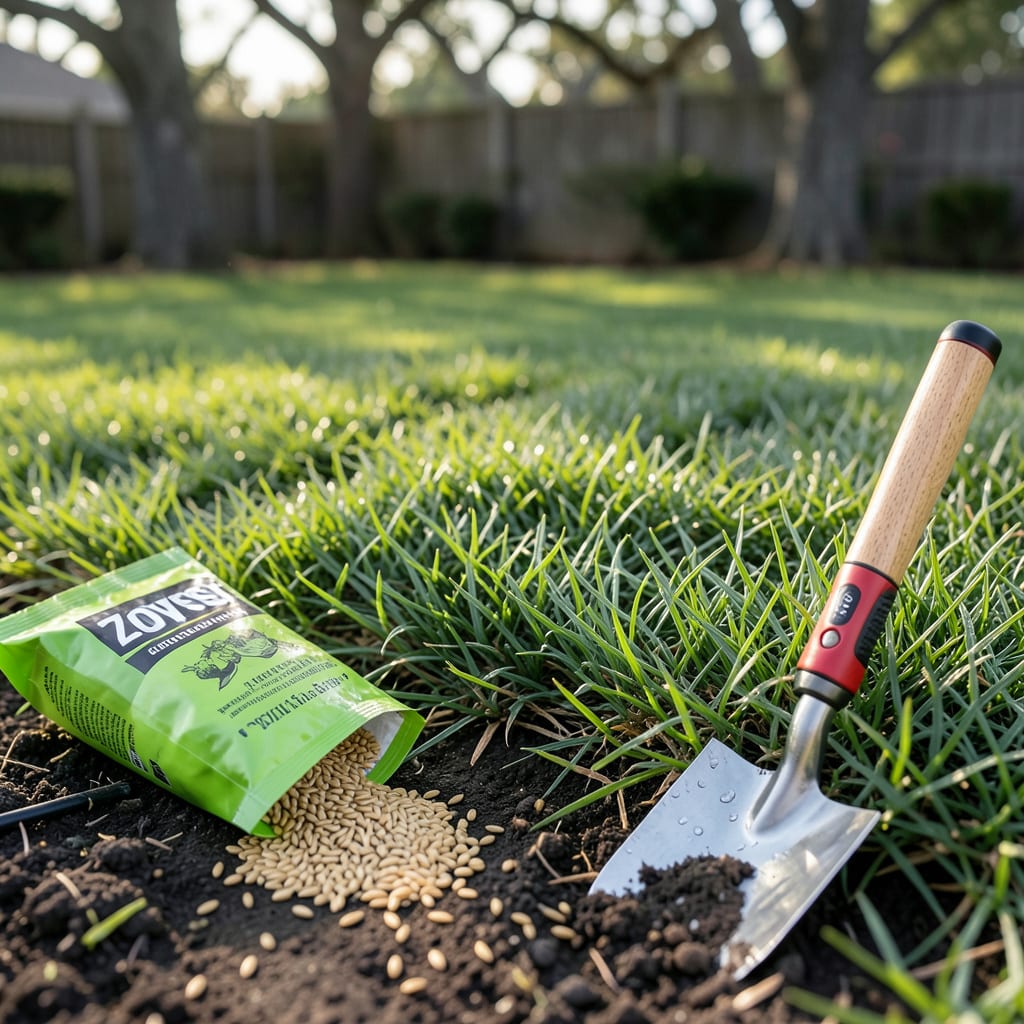
Timing your ✂️ Zoysia Grass planting in Georgia can mean the difference between a patchy lawn and a lush carpet of green. Plant too early, and late frosts might wipe out your efforts. Wait too long, and summer’s scorching heat could stress young sprouts before they establish.
I’ve seen Georgia lawns thrive—or struggle—based on just a few weeks’ difference in planting. Whether you’re in the Piedmont’s rolling hills or the Coastal Plain’s warmer zones, we’ll pinpoint your perfect window. Let’s get your timing right for a lawn that’ll be the envy of the neighborhood.
If you’re planting zoysia seed in Georgia’s Piedmont region, timing is critical. This area—home to cities like Atlanta and Athens—has a unique climate with cooler springs and occasional late frosts. You’ll want to wait until soil temperatures hit at least 65°F, but ideally 70°F+ for best germination.
The optimal window here is typically mid-April through early June. Planting too early risks frost damage, while waiting too long means young grass struggles with summer heat. I always check the 10-day forecast for consistent warmth before seeding.
For elevation adjustments, add 1 week later for every 500 ft above 1,000 ft. The Piedmont’s clay-heavy soils warm slower than sandy Coastal Plain soils, so I recommend using a soil thermometer to confirm temps before planting.
If you’re seeding in early April, be ready to cover tender sprouts if a late frost threatens. A lightweight frost cloth works well. For May plantings, ensure you can water deeply 2-3 times weekly during establishment.
The biggest mistake I see is planting during drought conditions. Zoysia seed needs consistent moisture for 21 days post-planting. If your area has water restrictions, consider hydrogel crystals to retain soil moisture.
For site prep, till the soil to 4-6 inches deep and rake smooth. Apply a starter fertilizer (16-4-8 ratio) at 1 lb per 1,000 sq ft. I like to mix seed with sand for even distribution—aim for 2-3 lbs per 1,000 sq ft.
After planting, lightly rake to ensure seed-to-soil contact, then cover with ¼ inch of compost. This protects seed from birds while retaining moisture. Keep foot traffic off newly seeded areas for 4-6 weeks until grass reaches 3 inches tall.
Remember, Piedmont zoysia establishes slower than in coastal areas due to cooler nights. Be patient—full coverage may take 2-3 months. For faster results, consider plugging (planting small zoysia plugs) in high-visibility areas.
Once established, zoysia’s drought tolerance shines. But during that critical first season, monitor for weeds (use pre-emergent carefully) and fungus (water early morning only). A summer feeding (June) with slow-release nitrogen keeps it thriving.
Pro tip: If you miss the spring window, you can plant in early July, but you’ll need to water daily during Georgia’s peak heat. I only recommend this for small areas where you can ensure consistent moisture.
🌱Planting zoysia seed along Georgia’s Coastal Plain gives you a longer window than the Piedmont, thanks to milder winters and earlier spring warming. From Savannah to Brunswick, you can start as early as late February in some years, but I recommend waiting until March 1 for consistency.
The ideal planting window here stretches from March 15 to May 15, with April being the sweet spot. Coastal soils warm faster due to their sandy composition, so you’ll hit that critical 70°F soil temperature earlier than inland areas. Just watch for salt spray near the coast.
Coastal areas benefit from higher humidity, which helps keep seeds moist during germination. However, this also means you’ll need to be vigilant about fungal diseases. I recommend early morning watering only, and consider a light fungicide if you’ve had issues before.
For soil prep in sandy coastal soils, mix in 2-3 inches of compost to improve water retention. The seeding rate remains 2-3 lbs per 1,000 sq ft, but you may need to lightly cover seeds with compost to prevent them from washing away in heavy rains.
The biggest advantage here is the extended growing season. Coastal zoysia often establishes 2-3 weeks faster than in the Piedmont. But don’t get complacent—weed pressure is higher due to the warm, moist conditions. A pre-emergent herbicide (applied carefully) can help.
After planting, maintain consistent moisture for 3 weeks. Unlike the Piedmont, you can often rely more on natural rainfall, but supplement with irrigation during dry spells. Once established, coastal zoysia handles salt spray better than many grasses, making it ideal for properties near marshes or beaches.
🌊Even with perfect timing, small errors can sabotage your zoysia lawn in Georgia. I’ve seen beautiful lawns struggle because of avoidable mistakes. Let’s cover the top 5 pitfalls and how to sidestep them for a thriving, resilient lawn.
The biggest offender is planting when soil temps are too low. Zoysia seed needs 70°F+ soil to germinate properly. Planting in cold soil (below 65°F) leads to poor germination and weak stands that struggle all season.
Overwatering is another common issue. While zoysia needs consistent moisture for the first 3 weeks, soggy conditions invite fungal diseases. Aim for 1 inch per week (including rain), watering deeply 2-3 times weekly in early morning.
Many Georgia gardeners skip the soil test, but zoysia performs best at pH 6.0-6.5. Our native soils often run acidic (pH 5.0-5.5). A simple $15 test from your extension office can save hundreds in wasted seed and fertilizer.
Improper mowing ruins many new zoysia lawns. Never cut below 2 inches during establishment. Wait until grass reaches 3 inches before first mowing, then maintain at 2-2.5 inches. Sharp blades are critical – dull ones tear grass, inviting disease.
Finally, fertilizer mistakes abound. Avoid high-nitrogen feeds at planting – use a starter fertilizer (16-4-8 ratio) instead. After 6 weeks, switch to a slow-release 30-0-4. Never fertilize during drought or when temps exceed 90°F.
🌱Zoysia seed thrives when soil reaches 70°F or higher. In Georgia, this typically occurs between mid-April and early June for most regions. Use a soil thermometer to check before planting—it’s the most reliable indicator.
Planting in soil below 65°F risks poor germination and weak growth.
Yes, but with extra care. Early July planting requires daily watering during Georgia’s peak heat. Focus on small areas where you can maintain consistent moisture for 3-4 weeks post-planting.
Late summer planting often struggles with drought stress and weed competition.
Aim for 2-3 pounds per 1,000 square feet. For even distribution, mix seed with sand at a 1:1 ratio. This helps prevent clumping and ensures better coverage across your lawn.
Using too little seed creates patchy areas, while over-seeding wastes money.
Skipping the soil test! Georgia’s native soils often have pH below 6.0, but zoysia needs 6.0-6.5. A simple $15 test from your local extension office prevents costly errors.
Low pH locks out nutrients, leading to yellow patches and poor establishment.
Expect 2-3 months for full coverage in ideal conditions. Coastal areas often establish 2-3 weeks faster than Piedmont regions due to warmer soils and higher humidity.
Patience pays off—zoysia’s slow start leads to a dense, durable lawn long-term.
