
Beautiful Plants For Your Interior
Beautiful Plants For Your Interior
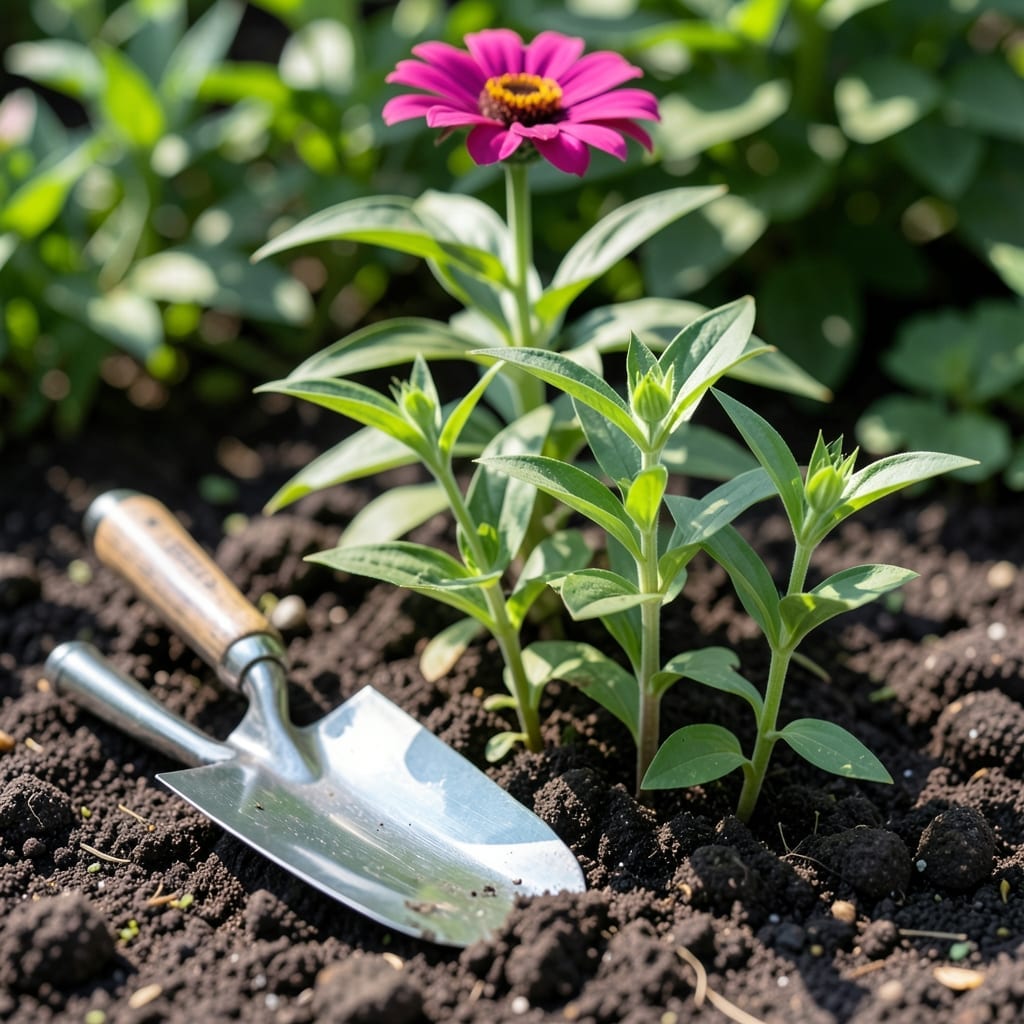
Timing is everything when planting zinnias in Wisconsin—plant too early and frost will wipe them out, but wait too long and you’ll miss their vibrant summer blooms.
I’ve seen 5b gardeners struggle with this balance, but getting it right means months of colorful 🌼 Zinnia flowers from July through October.
Discover the sweet spot between Wisconsin’s last frost and the start of warm soil, and you’ll set your garden up for success.
Let me walk you through the exact window that ensures your zinnias thrive, not just survive, in our unpredictable spring weather.
Getting the timing right for zinnias in Wisconsin means understanding our frost dates and soil temperatures. These warm-season annuals cannot tolerate frost, so planting too early is risky.
Wisconsin spans USDA Zones 4-5, with the last frost date typically around mid-May. I always wait until soil temps reach 60°F before sowing seeds directly outdoors.
| Requirement | Specification |
|---|---|
| Last Frost Date | Mid-May |
| Soil Temp | 60°F+ |
| USDA Zones | 4-5 |
| Planting Window | May-June |
| Bloom Time | July-October |
In Northern Wisconsin, I recommend waiting until late May or even early June. The cooler climate means frost lingers longer, and zinnia seeds won’t germinate in cold soil.
Southern Wisconsin gardeners can often plant 1-2 weeks earlier than their northern counterparts. I’ve had success sowing seeds as early as early May in Milwaukee when spring is warm.
For earlier blooms, I start seeds indoors 4-6 weeks before the last frost. This gives my zinnia seedlings a head start while avoiding the risk of late frosts.
Remember that zinnia varieties have different needs. Dwarf zinnias can handle slightly cooler temps, while giant varieties prefer warmer conditions and need more time to mature.
I always check my local weather forecast before planting. A late cold snap can set back even established zinnia plants, so I keep row covers handy for unexpected dips in temperature.
The ideal planting depth is about 1/4 inch for zinnia seeds. I space them 6-18 inches apart depending on the variety, with taller types needing more room to grow.
After planting, I
With the right timing, you’ll enjoy vibrant zinnia blooms from early summer until the first frost. In my experience, this careful approach always pays off with longer-lasting color in the garden. 🌼
Planting zinnias in Wisconsin requires timing and care. I always wait until after the last frost date, typically mid-May, to ensure soil is warm enough for seeds to thrive.
For best results, prepare the soil by loosening it and adding compost for nutrients. This gives your zinnias a strong start in Wisconsin’s unpredictable spring weather.
Once planted, water your zinnias deeply once a week, but increase frequency during hot, dry spells. Morning watering helps prevent fungal diseases in Wisconsin’s humid summers.
I’ve found that mulching around plants helps retain soil moisture and suppresses weeds. Use organic mulch like straw or shredded leaves for best results.
If a late frost is forecasted, cover young plants with a frost cloth or old bedsheet. This simple step can save your zinnias from unexpected cold damage.
Finally, deadhead spent blooms regularly to encourage more flowers. This keeps your zinnia plants looking vibrant and extends their blooming season well into fall.
With proper care, your zinnias will reward you with colorful blooms from summer to frost 🌼