
Beautiful Plants For Your Interior
Beautiful Plants For Your Interior
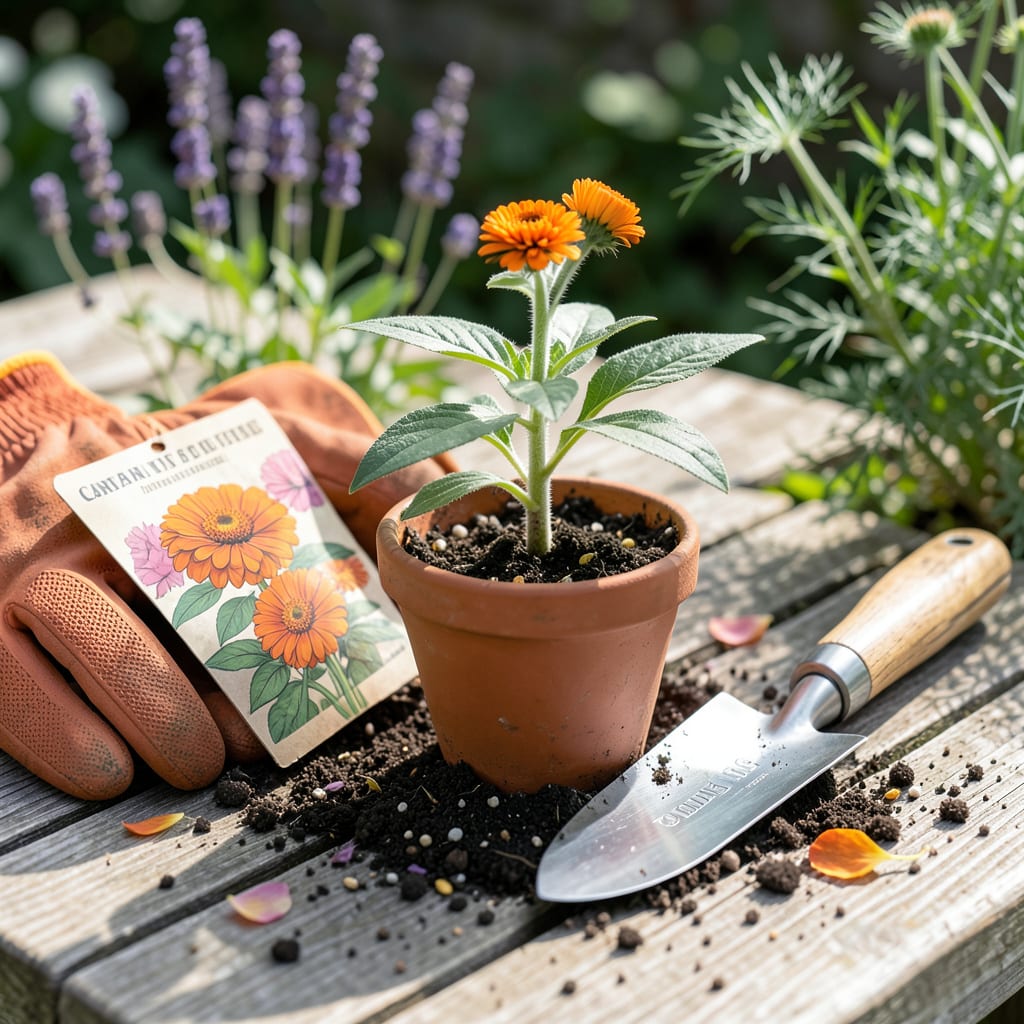
Timing your zinnia planting in North Carolina can mean the difference between a lackluster garden and a vibrant, months-long color explosion. I’ve seen too many gardeners miss their window—either planting too early when frost still lurks or waiting so long that summer heat stunts growth.
Here’s the good news: With the right schedule tailored to your NC region—whether you’re in the Piedmont or along the coast—you can enjoy zinnias from July through October. Let’s break down exactly when to get those seeds in the ground for maximum impact.
If you’re eager to fill your North Carolina garden with vibrant zinnias, timing is everything. Our state’s diverse climate means what works in Wilmington’s coastal heat won’t fly in Asheville’s cooler mountains. I’ve spent years testing these timelines—trust me, a few weeks can mean the difference between thriving blooms and disappointing flops.
The secret? Soil temperature—zinnias need it above 60°F to germinate well. Coastal gardeners can often plant 2-3 weeks earlier than Piedmont folks, thanks to milder winters and warmer springs. But don’t just go by the calendar; I’ll show you how to read your local cues for perfect timing.
| Region | Last Frost Date | Planting Window | First Frost Date | Notes |
|---|---|---|---|---|
| Coastal Plain (Wilmington, New Bern) |
March 15–30 | Mid-March to early May | November 15–30 | Early planting possible; watch for salt spray near coast. |
| Piedmont (Raleigh, Charlotte, Greensboro) |
April 1–15 | Mid-April to late May | October 15–30 | Aim for soil temps 65°F+; clay soil warms slower. |
| Mountains (Asheville, Boone) |
April 15–May 1 | Late April to early June | October 1–15 | Shortest season; use transplants for earlier blooms. |
💡 Pro Tip: Use a soil thermometer—don’t guess! Zinnias planted in cool soil (below 60°F) often rot or germinate poorly.
In the Coastal Plain, I’ve had success planting as early as St. Patrick’s Day (March 17) in protected spots. But in the Piedmont, I wait until after Tax Day (April 15)—that’s my personal rule of thumb. Mountain gardeners should hold off until May 1 unless using row covers for warmth.
For succession planting, I sow a new batch every 2-3 weeks until late June. This staggers blooms so you’re not overwhelmed with flowers all at once—or left with none by August. In humid areas like the coast, spacing plants 12–18 inches apart improves airflow and reduces powdery mildew risk.
If you’re starting indoors, begin seeds 4-6 weeks before your last frost date. But honestly? Zinnias hate transplanting. I’ve found direct-sowing works best in NC’s climate—just be ready to thin seedlings to 8–12 inches apart for dwarf varieties or 18–24 inches for tall types like ‘Benary’s Giant.’
Watch the 10-day forecast before planting. If nighttime temps will dip below 50°F, hold off or use frost cloth. Zinnias are tropical natives—they sulk in cold weather. In the fall, you can sneak in a second planting 60–70 days before your first frost for late-season color.
For clay-heavy Piedmont soil, I amend beds with compost and sand to improve drainage. Coastal gardeners should add organic matter to sandy soil to retain moisture. Mountain folks? Mulch heavily to conserve warmth in cooler nights. No matter where you are, full sun (6+ hours) is non-negotiable for bold blooms.
If you’re in a urban heat island like Charlotte or Raleigh, your microclimate may allow planting 1–2 weeks earlier than rural areas. Use a low tunnel or cloches to gain extra weeks in spring. And remember: zinnias grow fast—you’ll see blooms in as little as 60 days from seed!
Still unsure? Here’s my foolproof test: Stick your hand in the soil at 9 AM. If it feels warm to the touch (not cold or cool), and the nighttime lows stay above 50°F for a week, it’s go time. Now grab those seeds and get planting—your pollinators will thank you! 🌼
Want zinnias that keep blooming from July through October in North Carolina? I’ve tested these tricks in my own garden, and they make all the difference. The key is working with our climate, not against it—especially our hot summers and unpredictable fall frosts.
First, choose heat-tolerant varieties like ‘Profusion’ or ‘Zahara’—they laugh at our 90°F+ days while others wilt. I’ve seen ‘Profusion’ thrive in Raleigh’s August heat when other zinnias gave up. Pair these with succession planting, and you’ll have nonstop color.
💡 Pro Tip: Pinch back early blooms to encourage bushier plants with more flowers later.
For soil prep, I mix in compost and perlite to help roots spread fast in our clay-heavy Piedmont soil. Coastal gardeners, add peat moss to sandy soil to hold moisture. In mountains, black plastic mulch warms soil faster for earlier planting.
Watering matters too—deep soaks (1–1.5 inches weekly) beat daily sprinkles. I water at dawn to prevent mildew in humid areas. Drip irrigation works best in the Piedmont’s droughty summers. Mulch with straw or shredded leaves to keep roots cool.
Don’t forget pollinator power! Zinnias attract bees and butterflies, which help your whole garden. I plant mine near veggies like tomatoes to boost pollination. Deadhead spent blooms weekly to keep flowers coming—this simple step can double your bloom time.
If powdery mildew hits (common in coastal humidity), spray with neem oil or a baking soda mix. Space plants 18 inches apart for airflow. In the Piedmont, watch for Japanese beetles—handpick them early or use traps.
For container gardeners, use pots at least 12 inches deep with drainage holes. I grow ‘Thumbelina’ zinnias on my patio—they thrive in full sun and need less space. Move pots to shelter if frost threatens, and you’ll extend blooms by 2–3 weeks.
Remember: Zinnias are annuals, but with these tricks, they’ll perform like perennials in your NC garden. Start seeds indoors in March for earlier blooms, or buy transplants at local nurseries. Either way, you’re in for a color explosion that lasts! 🌻
Even experienced North Carolina gardeners can stumble with zinnias if they ignore our state’s unique challenges. I’ve seen beautiful zinnia patches ruined by simple oversights—like planting in shady spots or drowning them in our humid summers. Let’s fix these before they wreck your blooms.
The biggest mistake? Planting too early when soil is still cold. Zinnias hate chilly roots—they’ll rot before they sprout. Wait until soil hits 60°F (use a thermometer!). Coastal gardeners often jump the gun in March, but Piedmont folks must wait until mid-April for safety.
💡 Quick Fix: Mulch with straw (not wood chips) to regulate soil moisture and temperature.
Another silent killer? Overcrowding. I see gardeners pack zinnia seeds too close, thinking “more is better.” Wrong! Crowded plants compete for nutrients and airflow, inviting powdery mildew. Thin seedlings to 12–18 inches apart—yes, it feels wasteful, but your blooms will thank you.
Don’t skip the soil prep. NC’s clay (Piedmont) or sandy soil (coast) needs help. Mix in 2–3 inches of compost and a handful of perlite per plant. In mountains, add black plastic mulch to warm soil faster. Skipping this step means weak roots and floppy stems that can’t support blooms.
Finally, fertilizer missteps abound. Too much nitrogen = leafy plants with few flowers. Use a low-nitrogen fertilizer (like 5-10-10) at planting, then a light bloom booster (0-10-10) mid-season. And never fertilize drought-stressed plants—it burns roots. Stick to early morning feeds to avoid leaf scorch in our hot NC summers.
Watch for Japanese beetles in July—they skeletonize leaves overnight. Handpick them at dawn (they’re sluggish then) or use neem oil sprays. Deer love zinnias too; if you’re rural, fence young plants or use deer-resistant companions like marigolds. With these fixes, you’ll sidestep the pitfalls and enjoy months of vibrant, healthy zinnias! 🌼
Yes, but timing is critical. Sow seeds 60–70 days before your first frost date for late blooms. Coastal gardeners can plant until early September, while Piedmont growers should finish by late August. Use row covers if nights drop below 50°F.
Cover seedlings with frost cloth or cloches if temps dip below 50°F. Avoid plastic—it traps moisture and promotes rot. In mountains, use black plastic mulch to warm soil faster. Remove covers by 10 AM to prevent overheating.
Use a soil thermometer—zinnias need 60°F+ to germinate well. No thermometer? Stick your hand in the soil at 9 AM. If it feels warm (not cool), you’re good. Coastal soils warm faster than Piedmont’s clay—adjust timing accordingly.
Opt for disease-resistant types like ‘Profusion’ or ‘Zahara’. These thrive in humid summers and resist powdery mildew. ‘Benary’s Giant’ also performs well but needs 18–24 inches of spacing for airflow. Avoid heirlooms—they’re prone to fungus in coastal areas.
Planting too early in cool, wet soil. Zinnias rot if soil temps are below 60°F. Coastal gardeners often plant in March, but Piedmont folks should wait until mid-April. Always check the 10-day forecast for nighttime lows before sowing.
