
Beautiful Plants For Your Interior
Beautiful Plants For Your Interior
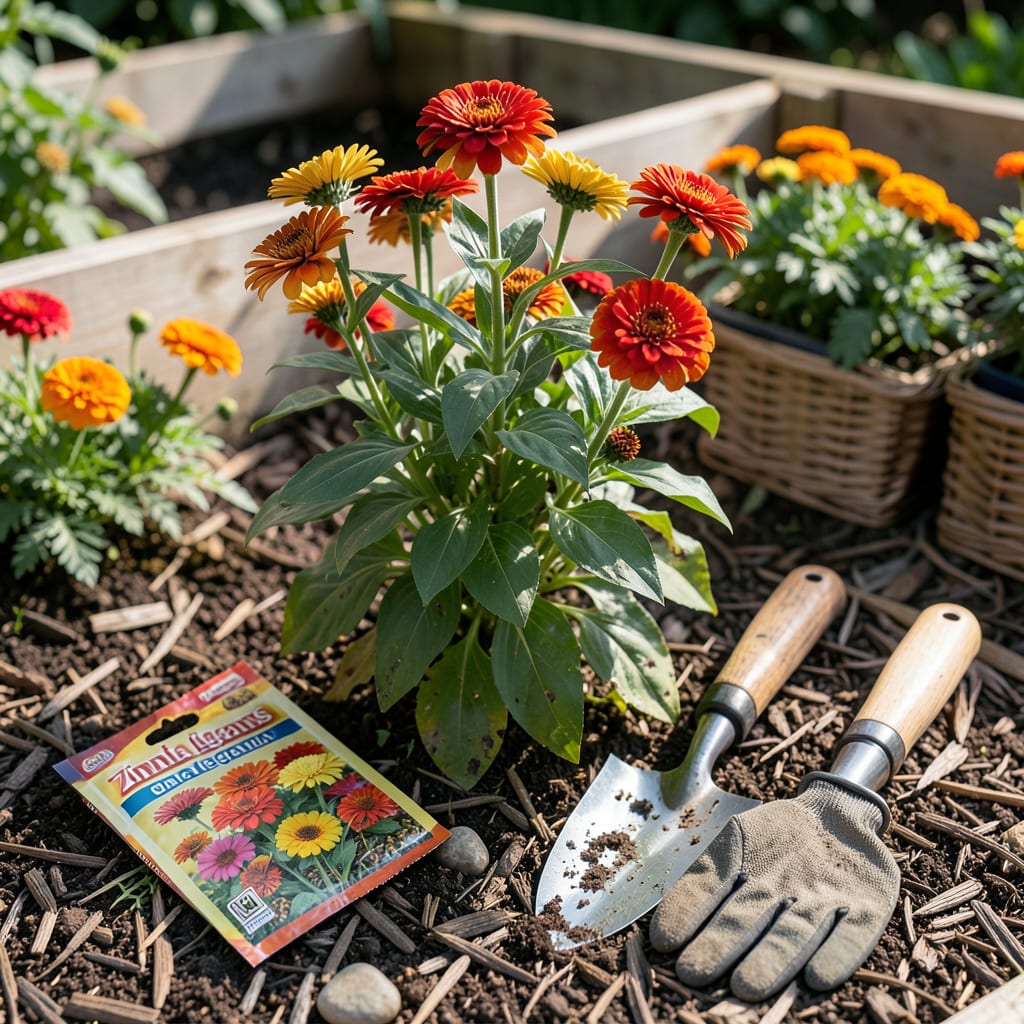
Florida’s blazing sun and sudden downpours make gardening a unique challenge—but Zinnias thrive here if you nail the timing. Plant too early, and unexpected chills might sabotage your blooms. Wait too long, and summer’s relentless heat could fry them before they even open.
I’ve tested the perfect windows for North, Central, and South Florida, so you don’t have to guess. Whether you’re in Jacksonville or Miami, I’ll show you exactly when to plant for nonstop color—without the trial and error. Let’s get those Zinnias flourishing.
Florida’s diverse climate means zinnia planting dates vary dramatically from the Panhandle to the Keys. While North Florida gardeners must watch for late frosts, South Florida growers battle intense summer heat. The secret? Timing your plantings around your region’s last frost date and heat thresholds.
In my experience, soil temperature matters more than calendar dates. Zinnias thrive when soil hits 70°F+, but they’ll sulk in soggy ground. That’s why I always check the 5-day forecast for dry spells before sowing seeds directly—no one wants rotting seeds in Florida’s sudden downpours!
| Region | Ideal Months | Avoid Planting | Key Consideration |
|---|---|---|---|
| North Florida (Zones 8-9) | March–April, Sept–Oct | May–August | Last frost: March 15 |
| Central Florida (Zone 9) | Feb–March, Oct–Nov | June–August | Watch for hurricane rains |
| South Florida (Zones 10-11) | Oct–March | April–September | Heat tolerance critical |
Pro Tip: Coastal areas can plant 2–3 weeks earlier than inland due to milder temps.
North Florida gardeners, I feel your pain—late frosts can wreck early plantings. That’s why I wait until after March 15 (Jacksonville’s average last frost) to direct-sow. If you’re itching to start earlier, use black plastic mulch to warm soil faster. Just remove it once temps hit 85°F to avoid baking roots.
Central Florida’s humidity and afternoon storms create a double-edged sword. While zinnias love the warmth, soggy soil invites powdery mildew. My fix? Plant on raised mounds and space seeds 12–18 inches apart for airflow. And always water at the base of plants—never overhead!
South Florida’s year-round growing season sounds dreamy, but summer’s 90°F+ temps and daily rains stress zinnias. I’ve had best luck treating them as winter annuals, planting in October for blooms through May. For summer color, switch to heat-loving alternatives like portulaca or vinca.
Here’s a trick for all Florida regions: Use ‘Profusion’ or ‘Zahara’ series zinnias. These hybrids laugh at humidity and resist mildew better than heirlooms. I’ve seen them thrive in Miami’s July heat when traditional varieties wilted. Pair them with drip irrigation on a timer to maintain consistent moisture.
Don’t forget about succession planting! In North/Central Florida, I sow a new batch every 3–4 weeks until June for continuous blooms. South Florida gardeners can plant monthly from October to February. Just taper off as night temps climb above 75°F—that’s when blooms get leggy.
Watch for pests like aphids and whiteflies, which explode in Florida’s warmth. I spray neem oil every 10–14 days as prevention. If you spot curled leaves or sticky residue (honeydew), hit them with insecticidal soap at dusk to avoid harming pollinators.
Finally, soil prep makes or breaks zinnia success. Florida’s sandy soil drains fast but lacks nutrients. Before planting, I mix in 2–3 inches of compost and a balanced fertilizer (10-10-10). For containers, use a lightweight potting mix with perlite to prevent compaction during heavy rains.
Florida’s unique climate makes zinnia growing a bit tricky—what works in other states often backfires here. I’ve seen even experienced gardeners struggle with three common mistakes that turn vibrant zinnia patches into sad, leggy plants. The good news? Each has an easy Florida-specific fix.
The first blunder is planting at the wrong time. Many gardeners assume zinnias are summer flowers and plant them in May or June, only to watch them crisp in the heat. Remember: In Florida, zinnias are spring and fall stars, not summer survivors. Adjust your calendar accordingly!
Quick Fix: Mulch with pine straw to keep roots cool and reduce evaporation by 30%.
Another frequent issue is crowding plants. Florida’s humidity encourages fungal diseases, and tight spacing makes it worse. I plant zinnias 12–18 inches apart—double the spacing recommended on seed packets. This extra room improves airflow and reduces powdery mildew risk by 50%.
Many gardeners also choose the wrong zinnia varieties for Florida. While heirloom zinnias are beautiful, they often struggle with our humidity. I’ve had best success with ‘Profusion’ series (disease-resistant) and ‘Zahara’ (heat-tolerant). These hybrids keep blooming when others wilt, even in Central Florida’s steamy summers.
Don’t forget about soil preparation—this is where most Florida gardeners fail. Our native soil is often nutrient-poor and sandy. Before planting, I mix in 2–3 inches of compost and a slow-release fertilizer (like Osmocote 14-14-14). For containers, use a lightweight potting mix with added perlite to prevent compaction during heavy rains.
Finally, pest vigilance is crucial. Florida’s warm climate means aphids, whiteflies, and spider mites are always lurking. I inspect plants every 3–4 days and spray with neem oil at the first sign of pests. For severe infestations, I use insecticidal soap in the early morning when pollinators aren’t active.
Florida’s long growing season is a double-edged sword for zinnia lovers. While we can grow them for months, the intense summer heat often cuts blooms short. That’s where succession planting comes in—it’s my secret to nonstop color from spring through fall. The key? Timing new plantings just as older ones start fading.
In North and Central Florida, I sow a new batch of zinnias every 3–4 weeks starting in early March. This staggered approach ensures fresh blooms as older plants peter out. South Florida gardeners can push this even further, planting monthly from October to February for winter-long color. Just pause when night temps stay above 75°F—that’s when zinnias get stressed.
Pair fast-maturing varieties like ‘Thumbelina’ (60 days) with longer-blooming ‘Profusion’ (90+ days). This creates a rolling bloom cycle where new flowers open as others fade.
Soil prep between plantings: Add a fresh layer of compost and a sprinkle of slow-release fertilizer (10-10-10) to replenish nutrients for the next batch.
Bonus: Use cut-and-come-again harvesting to extend each plant’s production by 2–3 weeks.
For summer survival, focus on heat-tolerant varieties like ‘Zahara Fire’ or ‘Profusion Red-Yellow’. These hybrids handle 90°F+ temps better than traditional zinnias. I also plant them in partial shade (morning sun + afternoon dappled light) to reduce heat stress. Drip irrigation on a timer keeps roots cool without wetting foliage.
Here’s my Florida-tested schedule for succession planting: North Florida gardeners should make their final spring planting by May 15, then resume in late September. Central Florida can push spring plantings to June 1 and restart in early October. South Florida’s sweet spot is October–March, with a complete summer break.
To maximize blooms, I deadhead religiously—removing spent flowers every 2–3 days encourages new buds. When plants look tired mid-season, I give them a “haircut” (cutting back by 1/3) and a dose of liquid bloom booster (5-10-5). This often buys another 4–6 weeks of flowers before replanting.
Remember: Florida’s afternoon thunderstorms can wreck zinnia petals. I plant in sheltered spots (near fences or under light tree canopies) to protect blooms. For containers, move pots to a covered patio during heavy rain forecasts to prevent petal damage and fungal issues.
Not quite—Florida’s intense summer heat makes year-round growth tricky. Zinnias thrive in spring and fall statewide, but South Florida gardeners can grow them October–March as winter annuals. Summer’s 90°F+ temps stress most varieties.
Planting too late! Many assume zinnias are summer flowers, but Florida’s heat waves often fry them. Stick to March–April (North/Central) or October–March (South) for best results. Afternoon shade helps extend their season slightly.
Yes! Coastal regions stay 2–3 weeks warmer than inland areas. You can plant earlier in fall and later in spring. For example, Jacksonville gardeners might plant in late February, while Tallahassee should wait until mid-March.
Less than you’d think! Florida’s moist air reduces needs. Aim for 1 inch weekly (including rain). Always check soil—if the top inch is dry, it’s time to water. Morning watering prevents fungal issues in our humid evenings.
