
Beautiful Plants For Your Interior
Beautiful Plants For Your Interior
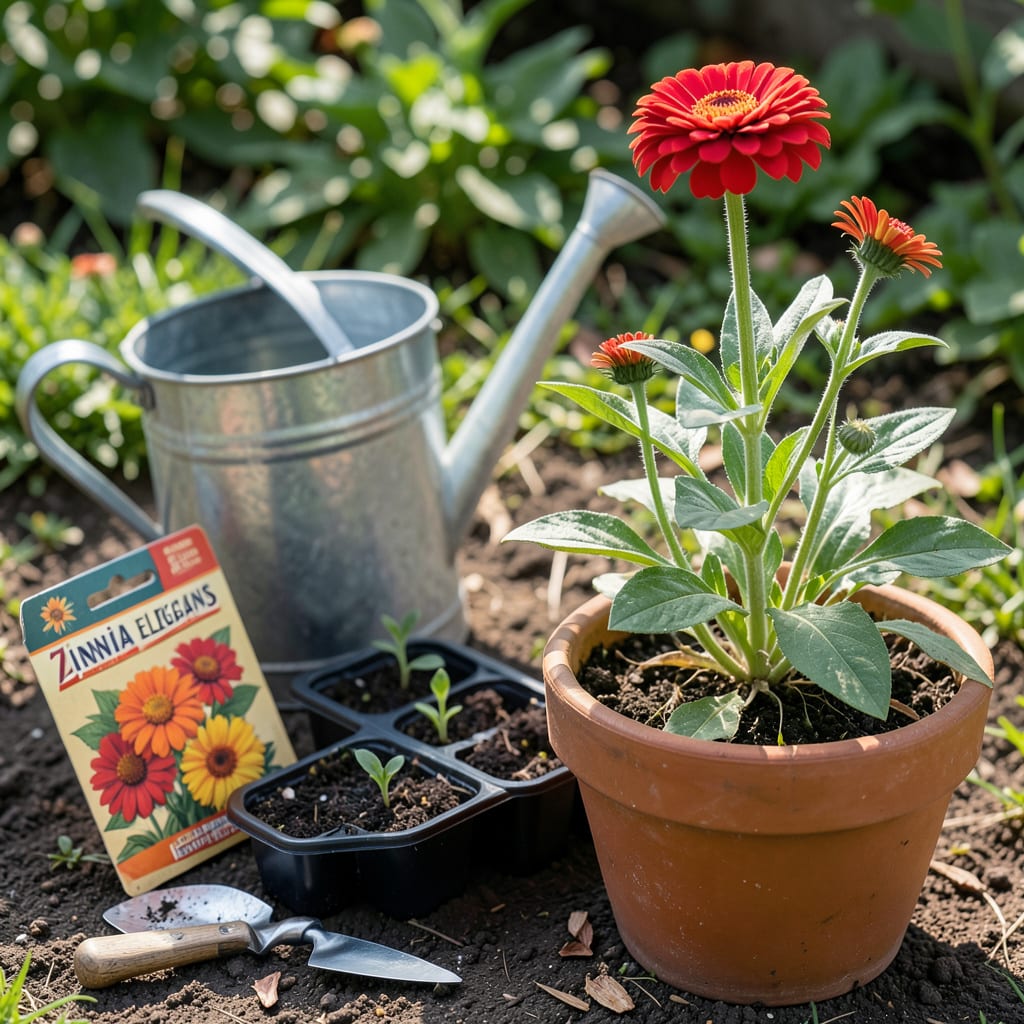
Timing your zinnia seeds in Texas can feel like a high-stakes game—plant too soon, and a sneaky frost might wipe out your seedlings. Wait too long, and the scorching summer sun could fry them before they even bloom. But here’s the good news: with the right schedule, you’ll get months of vibrant color that laughs in the face of Texas heat.
I’ve tested the best windows for North, Central, and South Texas, and the differences might surprise you. Whether you’re in Dallas or San Antonio, I’ll show you exactly when to drop those seeds for nonstop blooms from spring through fall. No guesswork—just foolproof timing tailored to your zone.
If you’ve ever tried growing zinnias in Texas, you know our wild weather swings can make or break your blooms. These heat-loving annuals thrive when planted at the right time—but that window varies dramatically from the Panhandle to the Gulf Coast. Let’s break it down region by region.
Zinnias are frost-tender plants that need soil temps above 60°F to germinate well. Plant too early in North Texas, and a late freeze might wipe out your seedlings. Wait too long in South Texas, and the summer scorcher will stress young plants before they establish.
In North Texas (Zones 7b-8a), I always wait until after March 15—our average last frost date—to direct-sow seeds. The Dallas-Fort Worth area can still get surprise freezes in early April, so keep frost cloth handy for young seedlings. For fall planting, aim for early September to get blooms before the first frost hits around November 15.
Central Texas gardeners (Austin, Hill Country) have a longer window thanks to milder winters. I start seeds mid-March when soil temps hit 60°F, or even late February in warm years. The August–September window is perfect for fall blooms that last until December in Zone 8b. Just watch for armadillo damage—they love freshly turned zinnia beds!
Down in South Texas (Zones 9a-10a), we can plant as early as February—but avoid June through August. The extreme heat and humidity stress zinnias, making them susceptible to powdery mildew. For winter color, sow seeds in September–October. In the Rio Grande Valley, zinnias often act as short-lived perennials, reseed themselves, and bloom year-round with minimal care.
Out in West Texas, the game changes entirely. The arid climate and cooler nights mean waiting until April or May when soil warms up. I’ve had best luck with drought-tolerant varieties like ‘Profusion’ or ‘Crystal’ series. Fall planting is tricky—aim for late August to beat the first frost, which can come as early as October in the Panhandle.
No matter where you are in Texas, succession planting is key for nonstop color. Sow a new batch of seeds every 2–3 weeks until early summer. This staggers your blooms so you’re not overwhelmed with flowers all at once—or left with none when the first batch fades. In Zone 9-10, you can often get three plantings per year: spring, fall, and even winter!
Always direct-sow zinnia seeds—they dislike transplanting. Plant them ¼ inch deep and 6–12 inches apart, depending on the variety. Tall types like ‘Benary’s Giant’ need 18–24 inches of space to prevent mildew. Water gently but consistently until germination (usually 7–10 days), then taper off. Once established, zinnias are drought-tolerant but bloom best with 1 inch of water per week.
For the most accurate frost dates, I rely on the Texas A&M AgriLife Extension tool (agrilifeextension.tamu.edu). Plug in your county to find your average last frost date—then count backward from your first expected frost in fall to time your plantings.
Texas weather keeps us gardeners on our toes—one day it’s 80°F and sunny, the next we’re scrambling to cover plants from a late-season freeze. Young zinnia seedlings are especially vulnerable to these swings, but with a few simple tricks, you can shield them from both scorching heat and sneaky frosts.
The biggest mistake I see? Overwatering in heatwaves. Zinnias hate soggy roots, and Texas’ clay-heavy soils only make drainage worse. Instead, focus on mulching deeply and using shade cloth during peak afternoon heat. Here’s how to keep your zinnias thriving through Texas’ moodiest seasons.
Late Frosts (North/Central TX): Even after “last frost date,” keep frost cloth handy until mid-April. A 32°F dip can kill tender seedlings overnight.
June-July Heat (All Zones): Soil temps above 90°F stress roots. Use 2-3″ of mulch (straw or shredded leaves) to keep soil cool.
Clay Soil + Heavy Rain: Poor drainage = root rot. Amend beds with compost or plant in raised rows for better drainage.
For late frost protection, I swear by floating row covers (like Agribon-19). Drape them over seedlings at dusk when temps dip below 40°F, and remove by mid-morning. In North Texas, keep covers on hand until April 15—I’ve lost count of how many times a “safe” March planting got zapped by a surprise freeze!
When summer heat hits, switch to 30% shade cloth (especially for dark-colored zinnias like ‘Queen Red Lime’). Hang it 3 feet above plants to allow airflow while blocking intense UV. Water deeply at dawn (never overhead in heat) to encourage deep roots. In South Texas, where humidity spikes, space plants 12–18 inches apart to prevent mildew.
For clay soil challenges, work in 2–3 inches of compost before planting. I also dig 1-inch trenches around zinnia beds to redirect water during heavy rains. In West Texas, where soil is sandy, mix in coconut coir to retain moisture without waterlogging. Always plant zinnias in full sun (6+ hours), but in Zone 9b, afternoon shade helps them power through July-August.
Watch for pest pressure in stressed plants. Aphids and spider mites target heat-weakened zinnias. Blast them off with water early, or use neem oil spray at dusk. In Central Texas, deer and rabbits love zinnia leaves—protect with liquid fence spray or plant near rosemary (a natural deterrent).
Finally, harden off seedlings if you start them indoors. A week before transplanting, set them outside for 2–3 hours daily, gradually increasing exposure. This toughens them up for Texas’ wind, heat, and temperature swings. With these protections, your zinnias will laugh at late frosts and thrive through triple-digit heat! 🌼
After years of battling Texas’ unpredictable weather to grow zinnias, I’ve narrowed down the three game-changing tips that turn struggling plants into flower powerhouses. These aren’t just generic advice—they’re Texas-tested strategies for bigger, brighter blooms that last from spring until frost.
The secret starts with variety selection. Not all zinnias handle our heat and humidity equally. I’ve found the ‘Profusion’ series laughs at drought, while ‘Benary’s Giant’ delivers those showstopping dinner-plate blooms—if you give it enough space. Pair the right variety with smart soil prep, and you’re already ahead of most gardeners.
Here’s my soil prep hack for Texas zinnias: Before planting, dig a 12-inch-deep trench and fill it with a mix of 50% native soil, 30% compost, and 20% coarse sand. This mimics the well-draining but nutrient-rich conditions zinnias crave. In Central Texas, where we have heavy clay, I add gypsum to break up compacted soil.
Watering wisely makes all the difference. Instead of daily sprinkles, give zinnias a deep soak once a week (about 1–1.5 inches total). Use a soaker hose to keep foliage dry and prevent mildew. In peak summer, switch to morning watering only—evening moisture attracts slugs and encourages fungal diseases in our humid zones.
For nonstop color, I fertilize zinnias every 4 weeks with a low-nitrogen bloom booster (like 5-10-10). Avoid high-nitrogen mixes—they’ll give you leafy plants with few flowers. In South Texas, cut back on fertilizer in August; the heat stresses plants, and excess salts can burn roots. Instead, top-dress with compost tea for a gentle nutrient boost.
Don’t forget the mulch magic! A 2-inch layer of straw keeps soil cool, retains moisture, and suppresses weeds. In West Texas, use shredded cedar bark—it deters pests and breaks down slowly in arid conditions. Replenish mulch every 6 weeks as it decomposes, especially before summer’s worst heat.
With these tips, your zinnias will outlast the Texas summer and keep blooming until the first hard freeze. I’ve seen ‘Profusion Orange’ plants in my Austin garden produce flowers for 220+ days using this method—now that’s what I call Lone Star resilience! 🌼
Avoid planting in June–July when temperatures soar. Zinnias struggle to establish in 90°F+ heat, leading to weak growth or failure. Instead, plant in early spring or late summer for fall blooms.
Sow seeds just ¼ inch deep in well-draining soil. Planting too deep can prevent germination, especially in our clay-heavy Texas soils. Keep soil moist until sprouts appear in 7–10 days.
Zinnias are annuals, but in Zones 9–10 (like South Texas), they may reseed themselves and act as short-lived perennials. In colder zones, replant each year for spring and fall color.
Opt for ‘Profusion’ or ‘Zahara’ series—they’re bred for disease resistance and heat tolerance. These thrive in 100°F+ temps without wilting, unlike older varieties.
Water deeply once a week (about 1 inch total). In peak summer, increase to every 3–4 days if rainfall is scarce. Always water at the base in the morning to prevent mildew.
