
Beautiful Plants For Your Interior
Beautiful Plants For Your Interior
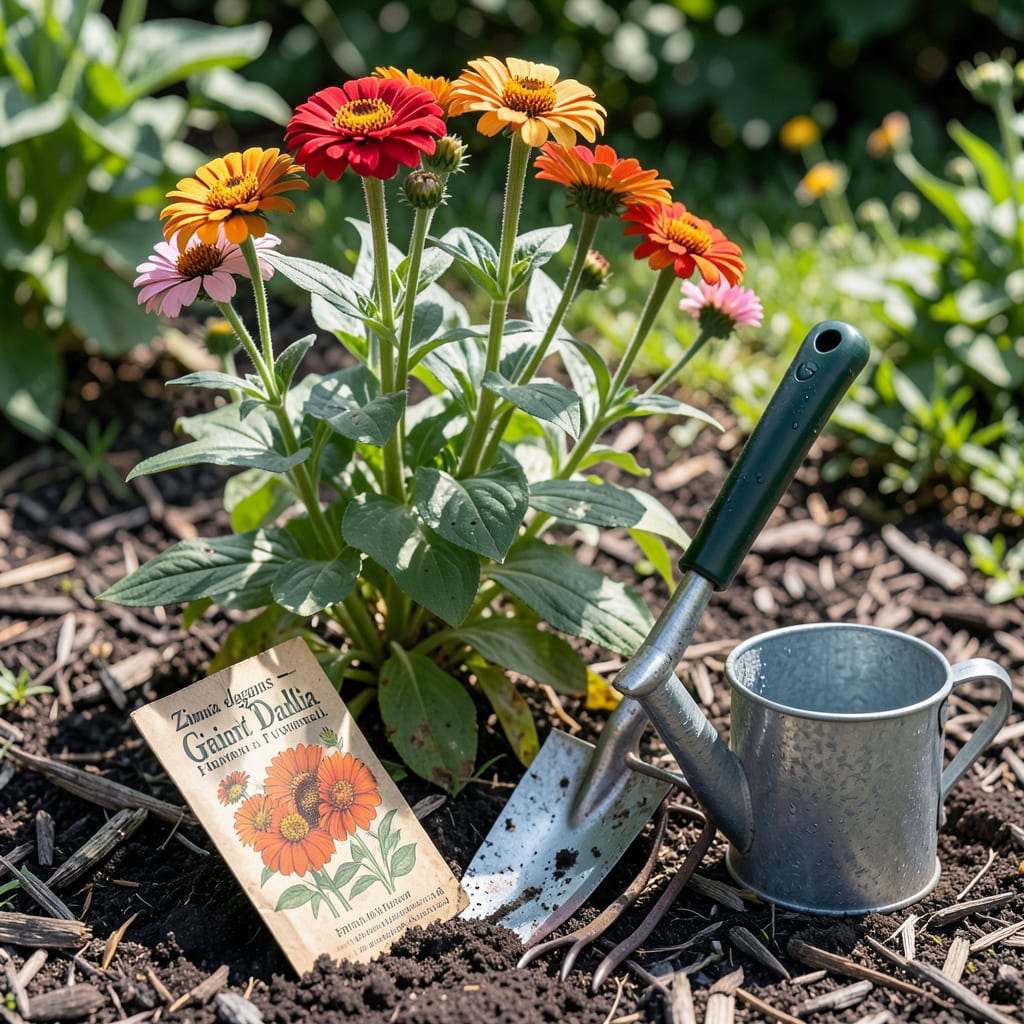
Ever watched your neighbor’s garden burst with vibrant 🌼 Zinnias while yours struggles to sprout? Timing is everything in Ohio—plant too early, and late frosts could wipe out your seedlings. But wait too long, and you’ll miss weeks of summer’s most dazzling blooms.
I’ve tested the perfect window for Ohio’s finicky springs, and the difference is night and day. Whether you’re in Cincinnati or Cleveland, I’ll show you exactly when to plant for non-stop color from July through October. Let’s get those seeds in the ground the right way.
If you’re eager to fill your Ohio garden with zinnia’s bold colors, timing is everything. Ohio spans USDA Zones 5-6, meaning our last frost dates vary from late April in Cincinnati to mid-May near Cleveland. I always wait until soil temps hit 60°F—cold dirt spells disaster for these warm-weather lovers.
Southern Ohio gardeners can often direct-sow seeds by late April, while northern folks should hold off until mid-May. Urban areas like Columbus warm up faster than rural spots, so adjust accordingly. When in doubt, I check my local soil temperature with a cheap thermometer—it’s a game-changer!
| City | Last Frost Date | Safe Planting Window | Soil Temp Target |
|---|---|---|---|
| Cincinnati | April 15–20 | Late April–early May | 60°F+ |
| Columbus | April 25–30 | Early–mid May | 60°F+ |
| Cleveland | May 5–10 | Mid–late May | 60°F+ |
| Toledo | May 10–15 | Late May–early June | 60°F+ |
*Adjust for microclimates: Urban areas may plant 1–2 weeks earlier than rural zones.
I’ve learned the hard way that zinnias hate cold feet. Even if air temps feel warm, soil temperature lags behind. Use a soil thermometer (or stick your finger in—if it feels chilly, wait!). For earlier blooms, start seeds indoors 4–6 weeks before your last frost date under grow lights.
Here’s my pro tip: Succession plant every 2–3 weeks until July for nonstop color until frost. I plant my first batch right after the last frost, then add more in early June. This way, I’m cutting fresh zinnia bouquets from July through October—no gaps!
Ohio’s heavy clay soil can be tough on zinnias, so I always amend beds with compost before planting. Work in 2–3 inches of organic matter to improve drainage. If your soil stays soggy, consider raised beds—zinnias thrive in well-draining spots.
Watch the 10-day forecast before planting. If nighttime temps dip below 50°F, hold off or use row covers. I once lost a whole flat of seedlings to a surprise late frost in early May—lesson learned! Now I keep frost blankets handy just in case.
For cut flower gardens, I space seeds 8–12 inches apart to allow airflow and prevent mildew. Dwarf varieties can go closer at 6 inches. Thin seedlings when they’re 2–3 inches tall to avoid overcrowding—it’s tempting to keep them all, but trust me, they’ll thank you later!
If you’re in southern Ohio, you might sneak in an extra week by planting in late April with protection. Up north? Stick to mid-May unless you’re using a low tunnel or cold frame. I’ve had great success with ‘Benary’s Giant’ and ‘Profusion’ series—they’re mildew-resistant and perfect for Ohio’s humid summers.
Remember, zinnias grow fast—you’ll see sprouts in 5–7 days if conditions are right. Keep soil evenly moist (not soggy) until germination. Once established, they’re drought-tolerant, but I water deeply once a week during dry spells for the biggest blooms.
For the most accurate dates, bookmark the Ohio State University Extension’s frost calculator or your local county extension office. They track hyper-local data that’s way more reliable than general zone guidelines. Happy planting—your summer garden will thank you! 🌼
Ohio’s short growing season doesn’t have to limit your zinnia blooms. With a little planning, you can enjoy flowers weeks earlier than direct-sowing alone. I’ve tested three foolproof methods to extend your zinnia season, whether you’re in Toledo or Cincinnati.
The key is working with Ohio’s unpredictable springs. One year, I got a jumpstart with indoor seeds and had blooms by late June—while my neighbor’s direct-sown zinnias were just sprouting. Let’s break down your best options for earlier, longer-lasting color.
✅ Pro Tip: Use a heat mat for indoor starts—zinnias germinate faster at 70–75°F soil temps.
For indoor starting, I swear by peat pots or cowpots—they prevent root disturbance when transplanting. Fill with seed-starting mix, plant seeds ¼-inch deep, and keep under lights for 14–16 hours daily. Once sprouted, move to a sunny window or grow lights.
If you’re direct-sowing early, prepare your bed by warming the soil with black plastic mulch for a week beforehand. I’ve had great success with this trick in my Columbus garden. Just remove the plastic before planting, then use floating row covers to protect young seedlings from chilly nights.
The succession method is my secret for cut flowers all summer. While my first planting is blooming, the next batch is growing strong. I mark my calendar for new plantings on May 1, May 15, June 1, and July 4. This staggered approach means I’m never without fresh zinnias for bouquets.
Remember, zinnias grow fast—expect sprouts in 5–7 days with proper warmth. Thin seedlings to 8–12 inches apart (closer for dwarfs) to prevent mildew. I learned this the hard way after losing a patch to powdery mildew from overcrowding one humid Ohio summer.
For the earliest blooms, combine methods: start some indoors while direct-sowing others with protection. This gives you a two-week head start on the season. Just be ready to harden off indoor starts by gradually exposing them to outdoor conditions over 7–10 days.
No matter which method you choose, always plant in full sun (6+ hours daily) and well-draining soil. I amend my Ohio clay with compost every spring—it makes a noticeable difference in plant vigor. With these techniques, you’ll be cutting armloads of zinnias while others are just seeing their first buds! 🌼
Even experienced Ohio gardeners can mess up zinnia planting—I’ve made my share of blunders over the years. The biggest mistake? Planting too early in our unpredictable springs. One late frost wiped out my entire first batch of seedlings, teaching me to always check soil temps before sowing.
Another common error is ignoring soil prep. Ohio’s heavy clay can suffocate zinnia roots if not amended. I now mix in 2–3 inches of compost before planting—it improves drainage and gives seeds a fighting chance. Let’s dive into the pitfalls I see most often in Buckeye State gardens.
Cold soil is public enemy number one for zinnias. I once planted in early April during a warm spell, only to lose everything when temps dropped. Now I use a soil thermometer—if it reads below 60°F, I wait. Patience pays off with stronger plants and earlier blooms.
Overcrowding is another silent killer. Zinnias need airflow to prevent powdery mildew, especially in Ohio’s humid summers. I plant dwarf varieties 6 inches apart and taller types 12 inches apart. It feels wasteful thinning seedlings, but crowded plants produce fewer, smaller blooms.
Many gardeners plant once and call it done, but succession planting is key for continuous color. I sow new seeds every 2–3 weeks until July 4th. This ensures fresh blooms as older plants fade. Last year, this method gave me zinnias from June until our first frost in October!
Don’t forget Ohio’s wildlife! Rabbits and deer love tender zinnia shoots. I protect new plantings with chicken wire cloches until plants are established. For deer, I spray commercial repellent weekly or plant zinnias near deer-resistant herbs like rosemary. One season without protection cost me half my crop.
🌼It’s risky! Zinnias are frost-sensitive and need soil temps above 60°F. If you’re eager, use row covers or start seeds indoors 4-6 weeks before your last frost date. I lost a whole batch to a late April frost—lesson learned!
You can plant up to early July for fall blooms. I sow my final batch around July 4th—these late plantings thrive in summer heat and bloom until first frost. Just ensure they’ll have 60+ days before cold weather hits.
They can, but amend the soil first! Work in 2-3 inches of compost to improve drainage. I’ve had success with raised beds too—zinnias hate soggy roots. In heavy clay, consider dwarf varieties which handle moisture better.
Use chicken wire cloches for young plants until established. For deer, try commercial repellents or plant zinnias near rosemary/lavender. I lost half my crop one year—now I fence new plantings until they’re 12+ inches tall.
