
Beautiful Plants For Your Interior
Beautiful Plants For Your Interior
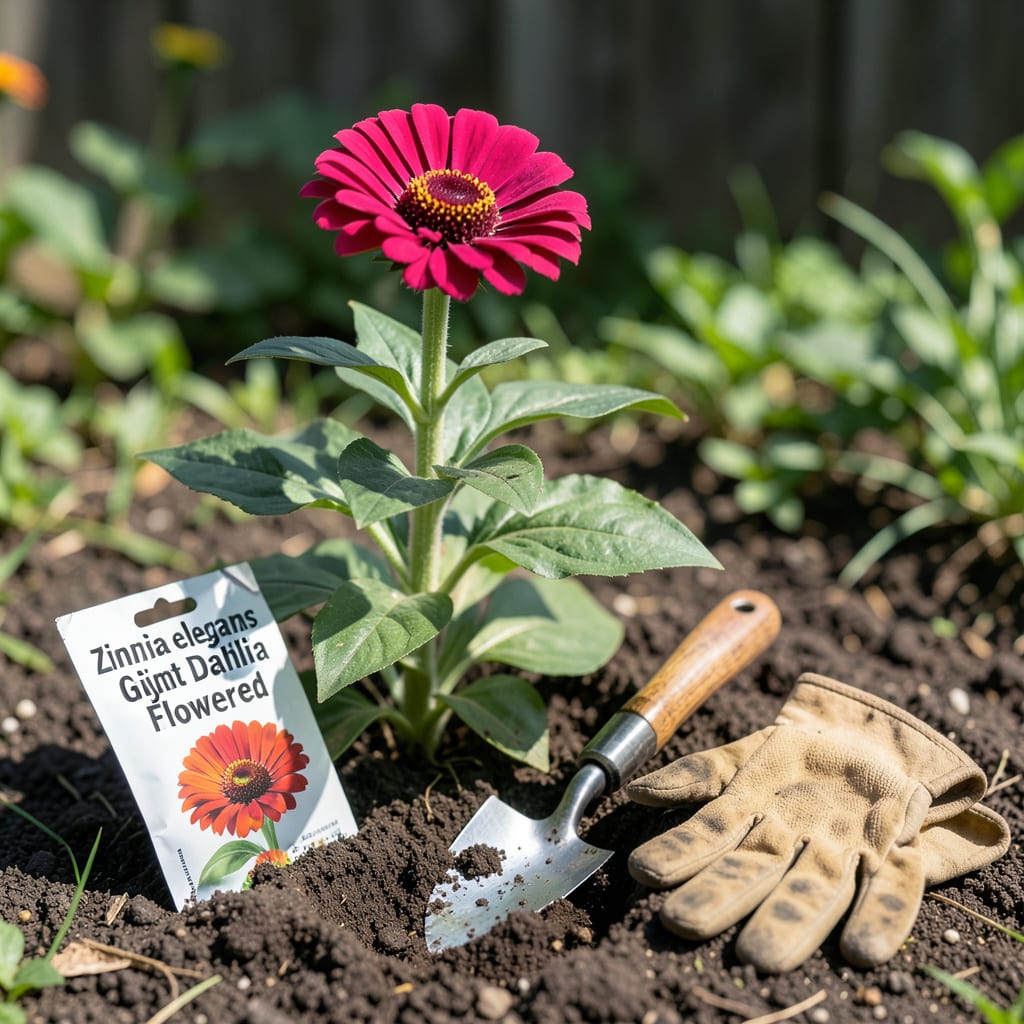
There’s nothing like the burst of color that zinnias bring to a Michigan summer—unless you plant them at the wrong time. One early frost or chilly soil mistake, and your garden dreams could be over before they begin.
After years of testing (and a few failed attempts), I’ve cracked the code for Zone 5b-6b. Whether you’re in Detroit or Traverse City, timing is everything. Let me show you exactly when to get those seeds in the ground for nonstop blooms from July to frost.
If you’re eager to fill your Michigan garden with cheerful zinnias, timing is your secret weapon. These sun-loving annuals thrive in our Zone 5 climate, but only if you plant them when the soil is warm enough—at least 60°F. Rush it, and cold soil will rot your seeds before they sprout.
Most of Michigan (including Detroit, Grand Rapids, and Lansing) shares a last frost date around May 15, but the Upper Peninsula often lags by 1-2 weeks. I always check my local soil temperature with a cheap thermometer—it’s the surest way to avoid disappointment. Let’s break down the perfect planting windows.
| Region | Direct Sow Outdoors | Start Indoors | Soil Temp Requirement |
|---|---|---|---|
| Southern Michigan (Detroit, Kalamazoo) | May 10–20 | April 1–15 (4-6 weeks before last frost) | 60–70°F |
| Central Michigan (Lansing, Grand Rapids) | May 15–25 | April 5–20 | 60°F+ |
| Northern Michigan (Traverse City, Petoskey) | May 20–30 | April 10–25 | 65°F+ (warmer soil needed) |
| Upper Peninsula (Marquette, Sault Ste. Marie) | May 25–June 5 | April 15–30 | 70°F (cold soil lingers longer) |
💡 Pro Tip: Use a soil thermometer ($10 at garden centers) to check temps at 2″ depth—surface temps lie!
For faster blooms, I start seeds indoors 4–6 weeks before our last frost. Use biodegradable pots (like peat or cowpots) to avoid transplant shock. Harden off seedlings for 7–10 days before moving them outside—Michigan’s spring winds can be brutal on tender plants.
If you’re direct-sowing, wait until after Mother’s Day in most areas. I’ve learned the hard way that zinnias hate cold feet—seeds rot in chilly, wet soil. Prepare your bed by loosening the soil and mixing in compost for better drainage. Plant seeds ¼-inch deep and 6–12 inches apart, depending on the variety.
Want nonstop color until frost? Try succession planting: sow a new batch every 2–3 weeks until early July. This trick keeps my garden bursting with fresh blooms while neighbors’ zinnias fade. Pair them with marigolds or cosmos for a pollinator paradise that thrives in Michigan’s summers.
Watch the 10-day forecast before planting. If nights dip below 50°F, hold off—zinnias grow best when nighttime temps stay above 55°F. In northern Michigan, consider black plastic mulch to warm the soil faster. It’s a game-changer for our shorter season.
For cut flower lovers, time your plantings so blooms peak in late summer. I aim for July and August harvests by sowing ‘Benary’s Giant’ in late May. These tall varieties need staking in our windy Great Lakes climate, but they’re worth it for those dinner-plate-sized blooms!
Remember, Michigan’s weather is unpredictable. One year, I planted on May 10—then got hit with a freak frost on May 18. Now I keep frost blankets handy just in case. When in doubt, wait an extra week. Zinnias grow fast once the soil warms, and you’ll avoid heartbreak.
Curious about extending the season? In fall, cover plants with row fabric when temps drop to 40°F. I’ve kept zinnias blooming until early October this way—just watch for powdery mildew in humid years. Clean up debris promptly to prevent overwintering diseases.
Even experienced Michigan gardeners can ruin their zinnia crops with a few common missteps. I’ve made (and fixed) all three of these costly errors—so you don’t have to. The biggest culprit? Ignoring soil temperature. Zinnias need 60°F+ soil to germinate, yet many plant too early in our Zone 5 springs.
Another silent bloom-killer is overlooking microclimates. A sunny spot near your house might be 5–10°F warmer than the open garden—critical for zinnias. I once lost an entire bed because I planted in a low-lying area where cold air pooled. Always scout your site for frost pockets before sowing.
Planting in cold, wet soil causes seeds to rot before they sprout. Even if they germinate, chilled roots stunt growth permanently.
Fix it: Wait until nighttime temps stay above 50°F and soil hits 60°F at 2″ depth. Use a $10 soil thermometer—it’s saved my zinnias repeatedly.
Many Michigan gardeners also misjudge variety maturity. Our short season (~147 frost-free days) demands fast-maturing zinnias like ‘Profusion’ (60 days) or ‘Thumbelina’ (50 days). I once planted a 90-day ‘State Fair’ variety in late May—it barely bloomed before frost. Always check the “days to maturity” label against your first frost date (around October 10 for most of Michigan).
A third hidden danger is overwatering seedlings. Zinnias despise soggy roots, yet our spring rains often drown them. I lost a tray of starts until I switched to bottom-watering and ensured pots had drainage holes. Outdoors, raised beds or sloped rows prevent waterlogging—especially in clay-heavy soils common in southeast Michigan.
Don’t forget about lake-effect cooling near the Great Lakes! Gardens in Grand Rapids, Muskegon, or Holland often run 5–7°F cooler than inland areas. I adjust my planting dates 1 week later in these zones. If you’re near the lakes, watch for late spring frosts—I’ve seen June 1 frosts in Ludington!
Finally, skipping succession planting means missing out on months of blooms. Zinnias decline after 6–8 weeks of flowering. I plant new seeds every 3 weeks until July 1 for continuous color. Pair with cosmos or marigolds (similar care needs) to fill gaps as zinnias fade. This trick keeps my garden vibrant until October while others’ fizzle by August.
Here’s my Michigan zinnia survival
Not all zinnias are created equal for Michigan’s short growing season. After testing dozens, I’ve found the fastest-maturing varieties that thrive in our 147 frost-free days. ‘Profusion’ series tops my list—it blooms in just 60 days and resists powdery mildew, a common issue in our humid summers.
For container gardeners, ‘Thumbelina’ is a game-changer. These dwarf zinnias (6–8 inches tall) pack big color in small spaces and handle cooler nights better than most. I tuck them into pots on my Detroit balcony—they bloom nonstop until frost. Both varieties tolerate partial shade, perfect for Michigan’s cloudy lake-effect days.
| Variety | Days to Bloom | Height | Best For | Michigan Perks |
|---|---|---|---|---|
| Profusion 🌼 | 55–60 days | 12–18″ | Beds & borders | Disease-resistant, self-cleaning (no deadheading!) |
| Thumbelina 🪴 | 50–55 days | 6–8″ | Containers | Handles cooler temps, great for windy areas |
| Benary’s Giant 🌻 | 70–80 days | 36–48″ | Cut flowers | Start indoors April 1 for July blooms |
| Zahara 🌿 | 60–65 days | 12–24″ | Drought areas | Thrives in sandy soil (hello, West Michigan!) |
💡 Pro Tip: For Upper Peninsula gardens, stick to ‘Profusion’ or ‘Thumbelina’—their short maturity beats the 120-day season.
To extend blooms into fall, I use two tricks: succession planting and row covers. Sow new seeds every 3 weeks until July 1—this staggers blooms so you’ll have fresh flowers when early plantings fade. In September, drape frost blankets over plants when temps dip to 40°F. I’ve kept zinnias alive until October 15 this way!
For cut flower fans, ‘Benary’s Giant’ is worth the extra effort. Start seeds indoors by April 1 under grow lights, then transplant after May 20. These 4-foot giants need staking in Michigan’s windy summers, but their dinner-plate blooms are showstoppers. Harvest stems in the morning for longest vase life—cut when petals are fully open but centers are just unfolding.
Don’t overlook soil prep for season-long success. Michigan’s clay-heavy soils (especially in southeast MI) can suffocate zinnia roots. I amend beds with compost and perlite for drainage. A 2-inch mulch layer (straw or shredded leaves) keeps roots cool in July heatwaves and deters weeds. Avoid overhead watering—our humid summers make zinnias prone to powdery mildew.
Pair zinnias with companion plants to boost their performance. I interplant with marigolds (repels pests) and cosmos (attracts pollinators). Avoid planting near tall sunflowers—they’ll shade your zinnias. For container combos, mix ‘Thumbelina’ with sweet alyssum and dwarf snapdragons for a thriller-filler-spiller effect that thrives in Michigan’s variable summers.
For the Upper Peninsula and far northern areas, aim for May 25–June 5 to avoid late frosts. The colder soil up north means waiting until temps hit 70°F at 2″ depth—use a soil thermometer to confirm.
Begin indoors 4–6 weeks before your last frost (around April 1–15 for most of Michigan). Use biodegradable pots to minimize transplant shock, and harden off seedlings for 7–10 days before moving outside.
Keep frost blankets or old bedsheets handy—cover plants if temps dip below 40°F. In windy areas like the Great Lakes shoreline, secure covers with rocks or clips to prevent damage.
Stick to fast-maturing types like ‘Profusion’ (55–60 days) or ‘Thumbelina’ (50 days). These thrive in our 147-day window and resist powdery mildew, a common issue in humid summers.
Use succession planting: sow new seeds every 2–3 weeks until early July. In September, drape row fabric over plants when nights cool—this can extend blooms until mid-October in southern Michigan.
