
Beautiful Plants For Your Interior
Beautiful Plants For Your Interior
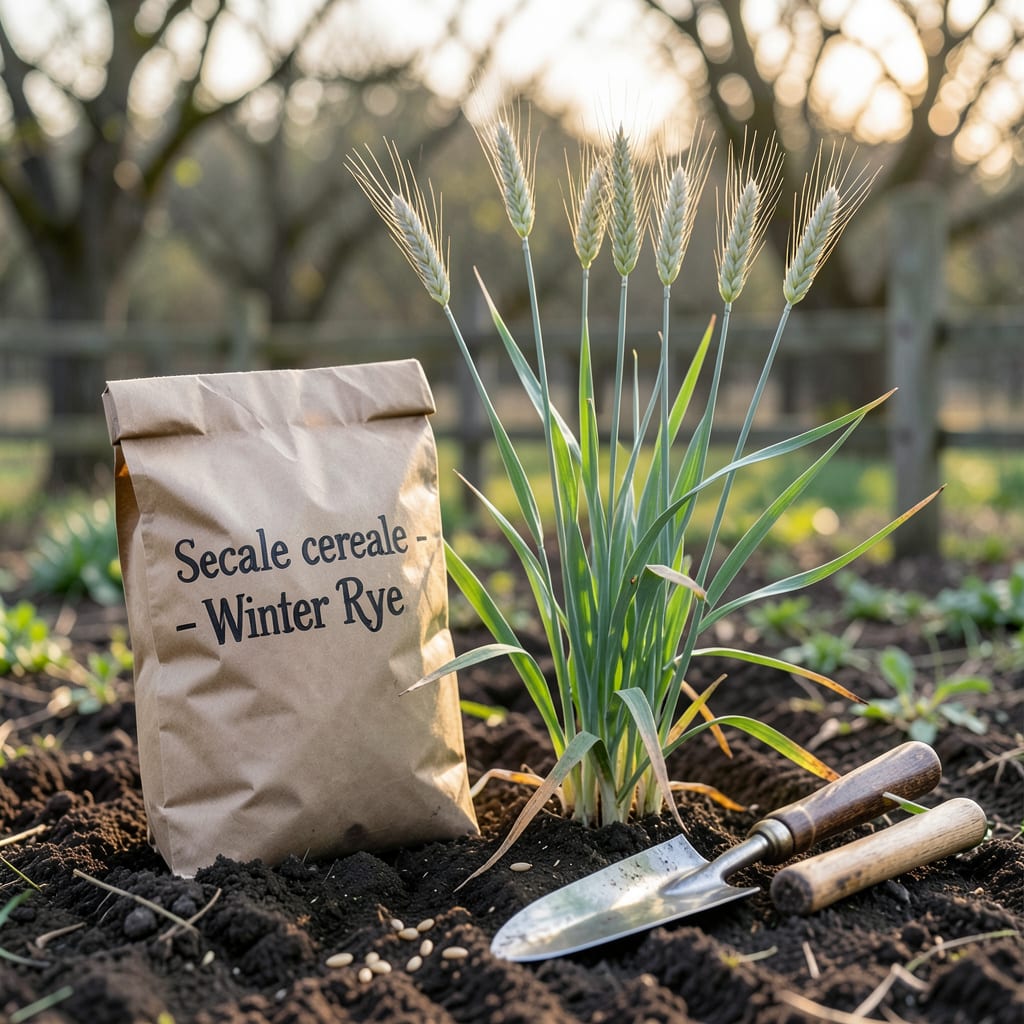
Timing your winter rye planting in Texas can make or break your entire season. Plant too early, and heat stress stunts growth; plant too late, and frost might wipe out your efforts before they even begin.
After years of testing and adjusting, I’ve nailed down the perfect window for Texas growers—whether you’re in the Panhandle or the Gulf Coast. Let’s cut through the guesswork so you can plant with confidence and watch your 🌾 Winter Rye thrive all winter long.
Texas spans USDA Zones 6–10, meaning winter rye planting windows vary dramatically. In North Texas, you’ll plant earlier than along the Gulf Coast due to colder winters. The key is targeting soil temperatures between 50–65°F for best germination.
I always recommend checking your local first frost date and working backward. For most regions, aim to plant 4–6 weeks before that first frost. This gives roots time to establish before winter sets in. Let’s break it down by region so you can nail your timing.
| Region | USDA Zone | Ideal Planting Window | First Frost Date |
|---|---|---|---|
| North Texas (Panhandle) | 6–7 | Sept 15–Oct 15 | Oct 20–Nov 10 |
| Central Texas (Dallas, Austin) | 8a–8b | Oct 1–Nov 1 | Nov 15–Dec 5 |
| South Texas (San Antonio, Houston) | 8b–9a | Oct 15–Nov 15 | Dec 1–Dec 20 |
| Coastal Texas (Corpus Christi, Brownsville) | 9b–10a | Nov 1–Dec 1 | Dec 15–Jan 5 |
*Data based on Texas A&M AgriLife Extension guidelines.
In North Texas, where winters are harsher, planting by mid-October ensures roots establish before freezing temps. I’ve seen stands fail when planted after October 20—the seeds struggle to germinate in cold soil.
For Central Texas, the October 1–November 1 window is ideal. This region’s milder winters allow a slightly later planting, but don’t push it past early November. Soil temps drop quickly after that, slowing germination.
South and Coastal Texas growers have more flexibility. With warmer winters, you can plant as late as early December. However, I still recommend aiming for November to maximize growth before spring.
Pro tip: Use a soil thermometer to confirm temps are in the 50–65°F range at planting depth (½–1 inch). If soil is too warm, seeds may germinate poorly or attract pests. Too cold, and they’ll rot before sprouting.
If you’re using winter rye as a cover crop, plant on the earlier side to ensure dense growth before winter. For forage or grain, a slightly later planting (but still within the window) can reduce weed competition.
Remember, moisture is critical after planting. Texas fall rains can be unpredictable, so be ready to irrigate if nature doesn’t cooperate. A light ½-inch watering every few days keeps soil moist but not soggy.
Finally, adjust based on your specific microclimate. Urban areas like Dallas may stay warmer longer than rural spots, allowing a slightly later planting. When in doubt, err on the side of planting earlier rather than later.
Even with perfect timing, small errors can derail your winter rye success. I’ve seen Texas gardeners struggle with patchy stands or weak growth—often due to avoidable missteps. Let’s tackle the top 5 mistakes so you can sidestep them and grow a lush, resilient crop.
First, planting depth is everything. Too deep, and seeds suffocate; too shallow, and they dry out. Aim for ½ to 1 inch deep—no deeper. I use a rake to lightly cover seeds, then press them into the soil with a roller or my boots for good soil-to-seed contact.
Soil prep is another game-changer. Texas soils—especially clay-heavy ones—can crust over, blocking sprouts. I lightly till the top 2–3 inches and rake smooth before broadcasting seed. If your soil is compacted, consider aerating first for better root penetration.
Weed competition is a silent killer. Winter rye struggles to establish if weeds steal moisture and nutrients. I spray glyphosate (if needed) 10–14 days before planting or solarize the area in late summer to reduce weed pressure. A clean seedbed ensures your rye gets the resources it needs.
Many Texas growers underestimate seed quality. Cheap or old seed often has low germination rates, leading to thin stands. I always buy certified winter rye seed from reputable suppliers and check the germination rate (aim for ≥85%). Store unused seed in a cool, dry place for next year.
Finally, post-planting care is critical. After seeding, keep the soil consistently moist (not soggy) for 7–10 days until germination. Texas winds can dry soil quickly, so I often cover newly planted areas with a light straw mulch to retain moisture and protect seeds.
If you’re using winter rye as a cover crop, avoid tilling it under too early. Let it grow until early spring (February–March) to maximize biomass. For forage or grain, monitor for pests like aphids or armyworms, which can surge in mild Texas winters.
Remember, winter rye is forgiving but not invincible. By avoiding these pitfalls, you’ll set your crop up for success—whether you’re overseeding a lawn, feeding livestock, or building soil health. When in doubt, test a small area first to fine-tune your approach.
Choosing the right cool-season grass for your Texas lawn can feel overwhelming. While winter rye is a top pick, it’s not the only option. I’ve tested annual ryegrass, fescue, and oats alongside winter rye to see how they stack up in our unpredictable winters.
Each grass has strengths—some excel in cold tolerance, others establish faster or need less maintenance. Your choice depends on your goals: Are you overseeding a lawn, feeding livestock, or improving soil? Let’s compare them so you can pick the best fit for your Texas property.
| Grass Type | Cold Tolerance | Establishment Speed | Maintenance | Best For |
|---|---|---|---|---|
| Winter Rye | High (to 10°F) | Moderate (7–14 days) | Low (drought-tolerant) | Cover crops, forage, lawns |
| Annual Ryegrass | Moderate (20°F) | Fast (5–10 days) | Medium (needs mowing) | Quick green-up, erosion control |
| Tall Fescue | Very High (0°F) | Slow (14–21 days) | High (thatch-prone) | Permanent lawns, high-traffic areas |
| Oats | Low (25°F) | Very Fast (4–7 days) | Low (no persistence) | Forage, quick biomass, nurse crop |
*Based on Texas A&M AgriLife turfgrass trials.
Winter rye shines for its cold hardiness and low maintenance. It survives Texas winters down to 10°F and bounces back from drought better than annual ryegrass. I love it for cover crops because it suppresses weeds and adds organic matter.
Annual ryegrass germinates faster, making it great for quick lawn green-up. However, it’s less cold-tolerant and needs more water. If you’re overseeding a bermudagrass lawn, annual ryegrass blends well but may require extra care in dry spells.
For permanent lawns, tall fescue is the toughest option, handling heat and cold better than most. The trade-off? It’s slower to establish and needs more fertilizer. In North Texas, where winters are colder, fescue often outperforms winter rye for year-round lawns.
Oats are my go-to for fast forage or as a nurse crop for slower-growing species. They sprout in days but die after frost, making them ideal for short-term needs. Pair them with winter rye for extended coverage—oats grow first, then rye takes over.
If your priority is soil health, winter rye’s deep roots break up compacted Texas clay better than shallow-rooted grasses. For livestock forage, its high biomass and palatability make it a favorite. Just mow or graze before it seeds to avoid volunteer plants next season.
No matter which you choose, soil prep is key. Test your soil’s pH—Texas soils often need lime to raise pH for optimal grass growth. And always plant at the right time: October–November for most cool-season grasses in Texas.
Planting before soil cools below 65°F risks poor germination or heat stress. Seeds may enter dormancy or attract pests like armyworms. In South Texas, wait until at least mid-October to avoid this issue.
Yes, but only in Zones 9b–10a (e.g., Corpus Christi, Brownsville). Aim for early December at the latest. Later plantings may not establish well before spring. Check soil temps—50°F minimum is ideal.
For cover crops, use 90–120 lbs/acre. For forage or grain, increase to 120–150 lbs/acre. Overseeding lawns? 5–10 lbs per 1,000 sq ft works best. Always check seed purity tags for adjustments.
No, winter rye is an annual. It dies after seeding in late spring. For perennial options, consider tall fescue in North Texas or bermudagrass overseeded with rye for winter green.
A light 10-10-10 fertilizer (1 cup per 100 sq ft) at planting helps, but Texas soils often need lime more. Test pH first—rye thrives at 6.0–7.0. Skip nitrogen in spring to avoid excessive top growth.
