
Beautiful Plants For Your Interior
Beautiful Plants For Your Interior
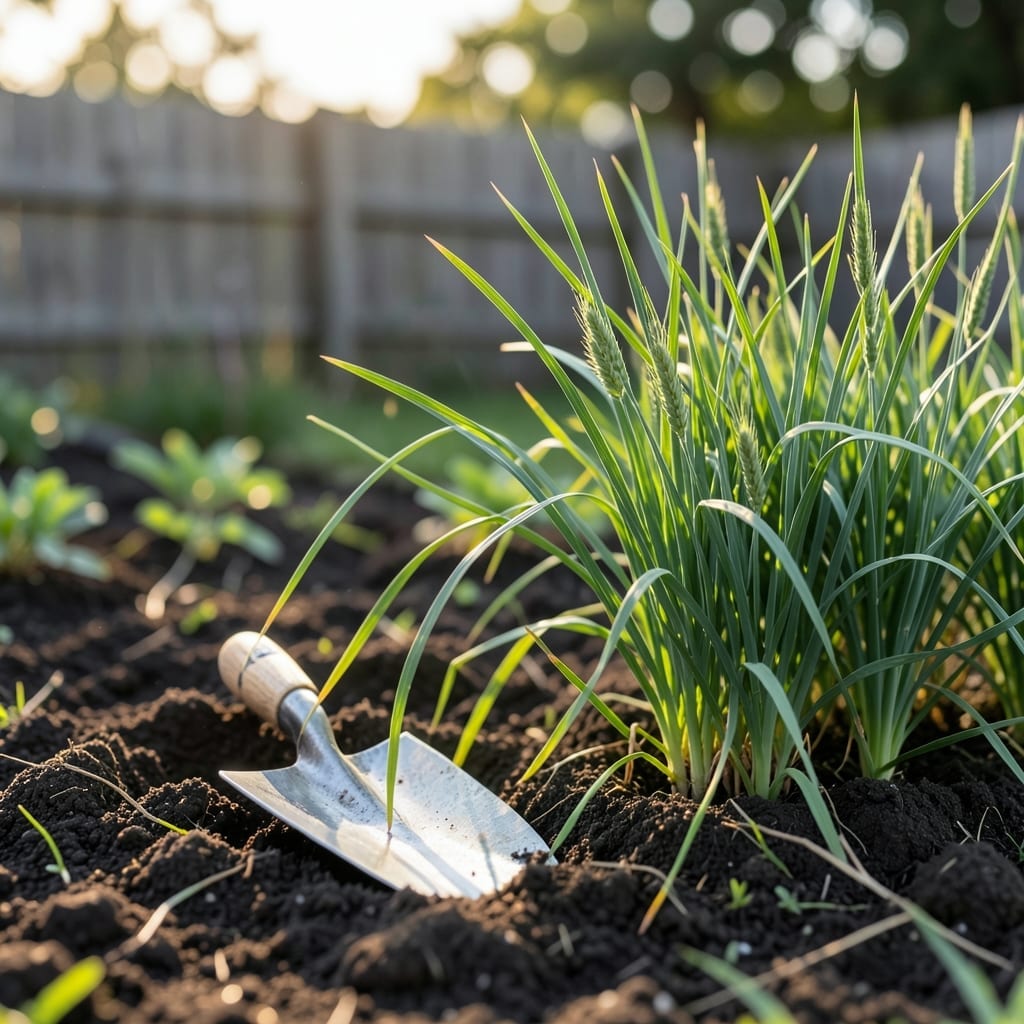
Timing is everything when it comes to planting Winter Rye 🌾 in Michigan. Get it wrong, and you could kiss your cover crop or lawn goodbye before spring even arrives.
In our 5b-6a zones, the window is tight but critical. Plant too early, and summer weeds might outcompete your crop. Too late, and winter’s chill could wipe it out before it establishes.
I’ve seen gardeners struggle with this for years until they nailed the timing. The good news? There’s a perfect fall window that nearly guarantees success.
Let me walk you through the optimal schedule so you can plant with confidence this season.
Michigan’s USDA Zones 4-6 each have slightly different windows for planting winter rye. The key is to get seeds in the ground when soil temperatures are between 50-65°F for optimal germination.
For most gardeners in Zone 5b-6a, this means aiming for late August through mid-September. This timing gives your rye 4-6 weeks to establish before the first hard frost.
| Zone | Planting Window | Soil Temp Range |
|---|---|---|
| Zone 4 | Mid-August to Early September | 50-60°F |
| Zone 5 | Late August to Mid-September | 50-65°F |
| Zone 6 | Early September to Early October | 55-65°F |
In northern Michigan (Zone 4), I recommend planting closer to mid-August. The shorter growing season means you need every possible day for establishment before winter.
For southern Michigan (Zone 6), you can push your planting to early October. The milder falls give you a bit more flexibility, but don’t wait too long.
Remember that soil moisture is just as important as temperature. If you’re experiencing a dry spell, water your seedbed before and after planting to ensure good seed-to-soil contact.
I’ve found that using a soil thermometer takes the guesswork out of timing. When the soil at 2-inch depth consistently reads below 65°F, it’s time to plant in most zones.
Another pro tip: Winter rye can germinate at temperatures as low as 34°F, but the process will be slower. For best results, aim for that 50-65°F sweet spot.
If you’re using winter rye as a cover crop, plant after harvesting your main crop but before the soil gets too cold. This timing helps prevent weed growth while protecting your soil.
For lawn applications, overseed in early fall when the grass is still actively growing but the heat of summer has passed. This gives your rye the best chance to establish without competing with warm-season grasses.
Always check your local frost dates and adjust accordingly. Michigan’s weather can be unpredictable, so it’s better to plant a week early than a day late.
Planting winter rye in Michigan requires precision, but the process is straightforward. I always start by prepping the soil, ensuring it’s loose and free of debris for better seed-to-soil contact.
For best results, aim for a seeding rate of 1-2 lbs per 1000 sq ft. This density ensures a thick stand without overcrowding, whether you’re growing a cover crop or a lawn.
Timing your watering is crucial. I recommend a deep soak right after planting, then light daily watering until the seeds sprout. Morning watering prevents fungal issues.
One trick I’ve learned is to avoid fertilizing at planting. Winter rye establishes well without it, and excess nitrogen can attract weeds or cause uneven growth.
If you’re using winter rye as a cover crop, consider planting it after harvesting summer vegetables. This maximizes soil protection over winter while improving soil structure.
Finally, monitor for pests like aphids or slugs, though winter rye is generally low-maintenance. A little attention early on ensures a lush, green stand by spring.
With these steps, you’ll have a thriving winter rye crop ready to tackle Michigan’s cold months 🌾