
Beautiful Plants For Your Interior
Beautiful Plants For Your Interior
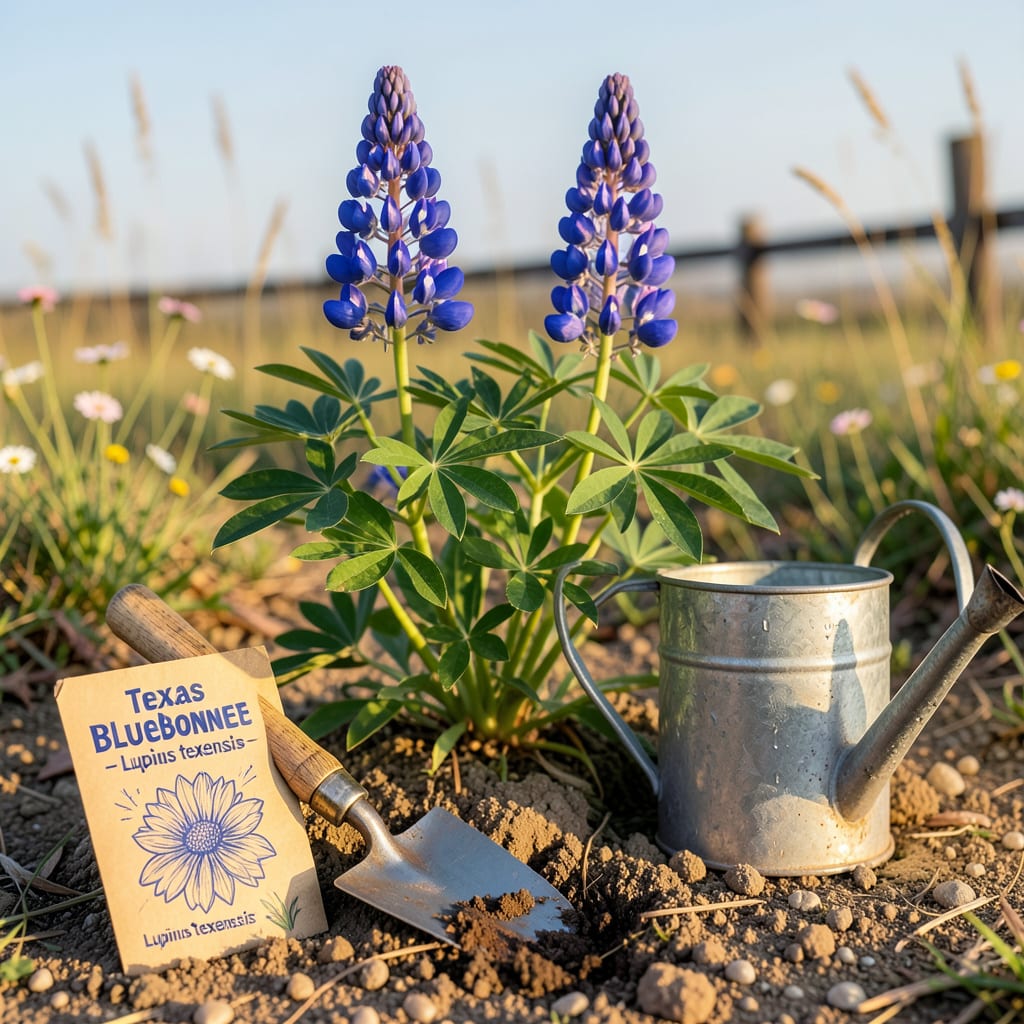
Texas wildflowers aren’t just pretty—they’re a legendary part of the state’s identity. But here’s the catch: plant them at the wrong time, and you’ll miss those iconic bluebonnet carpets and fiery Indian paintbrush blooms.
I’ve seen gardeners struggle with patchy results, all because they didn’t match planting to Texas’ unpredictable climate. Let’s cut through the guesswork and get your 🌱 wildflowers thriving—with a month-by-month schedule tailored to your region.
If you’ve ever dreamed of a yard bursting with Texas bluebonnets or Indian paintbrushes, timing your planting is non-negotiable. Texas’ massive size means what works in Houston’s humidity won’t fly in the Panhandle’s dry winds. I’ll break down the perfect schedule by region.
Most Texas wildflowers thrive when planted in fall (Sept–Nov) or early spring (Feb–March). Fall planting lets roots establish before winter, while spring planting catches the post-frost bloom window. But your exact timing depends on whether you’re in North, Central, South, or West Texas.
| Region | Best Planting Months | Key Wildflowers | Notes |
|---|---|---|---|
| North Texas | Sept–Oct, Feb–March | Bluebonnets, Black-eyed Susans | Avoid Jan freezes; plant early fall. |
| Central Texas | Oct–Nov, March | Indian Paintbrush, Purple Coneflower | Mild winters allow later fall planting. |
| South Texas | Nov–Dec, Jan–Feb | Mexican Hats, Gaillardia | No frost risk—plant earlier! |
| West Texas | Sept–Oct, March | Desert Marigold, Yucca | Drought-tolerant species only. |
In North Texas, aim for September–October or late February to dodge January freezes. Central Texas gardeners get a longer fall window—October–November—thanks to milder winters. Down in South Texas, you can plant as late as December or even January.
For spring planting, watch the last frost date: March 15 in Dallas, February 15 in Austin, and January 31 in Houston. Scatter seeds 2–4 weeks before your last frost so they’re ready to sprout when soil warms. Pro tip: Mix seeds with sand for even distribution.
Fall planting is my top recommendation—it mimics nature’s rhythm. Wildflowers drop seeds in late summer, which germinate with winter rains. To replicate this, plant by November 1 in most regions. Water lightly after sowing, then let natural rainfall do the work.
Soil prep matters! Texas wildflowers crave well-draining soil with full sun (6+ hours daily). Till the top 2–3 inches of soil, remove weeds, and avoid fertilizer—native wildflowers thrive in poor soil. If your soil is heavy clay, mix in compost or sand to improve drainage.
After planting, water gently for the first 2–3 weeks to help seeds settle. Once established, most Texas wildflowers need zero supplemental water—they’re built for our drought-prone climate. The exception? South Texas, where a mid-summer drink keeps blooms vibrant.
Want year-round color? Layer your planting: Bluebonnets (spring), Black-eyed Susans (summer), and Goldenrod (fall). In West Texas, stick to desert natives like Yucca or Prickly Pear—they laugh at 100°F temps.
Remember, Texas wildflowers are tough but not invincible. Avoid over-watering, which rots seeds, and never plant too deep—most need light to germinate. If your first attempt flops, try again next season with a different species or adjusted timing.
Even with perfect timing, small errors can sabotage your wildflower meadow. I’ve seen gardeners waste seeds and effort on avoidable blunders—like planting too deep or ignoring soil prep. Let’s tackle the top five mistakes that turn vibrant dreams into patchy disappointments.
First up: over-watering. Texas wildflowers are drought-adapted—their seeds rot in soggy soil. After sowing, mist lightly just to settle seeds, then trust the rain. In West Texas, skip supplemental water entirely unless you’re in a severe drought.
⚠️ Wildflower Warning!
Planting too deep is the #1 killer of wildflower seeds. Most need light to germinate—press seeds 1/8 inch into soil max. Use a roller or board to firm soil afterward.
Pro Tip: Mix seeds with 4 parts sand for even distribution and to spot bare areas.
Another classic mistake? Skipping soil prep. Wildflowers despise weedy competition and compacted soil. Before sowing, clear all weeds, then till the top 2–3 inches. In clay-heavy areas (like DFW), mix in compost or sand to improve drainage.
Ignoring native species is a rookie move. Non-native wildflowers often flop in Texas heat or become invasive. Stick to Texas-tough varieties like bluebonnets, Indian paintbrush, or Mexican hats. Check your USDA zone—Zone 8 (Houston) vs. Zone 7 (Dallas) changes what thrives.
Planting at the wrong temperature dooms seeds. Fall plantings need soil temps above 70°F to germinate before winter. Use a soil thermometer—if it’s below 60°F, wait. Spring plantings? Aim for post-frost but before 90°F days hit (usually March–early April).
Finally, forgetting about pollinators wastes your effort. Wildflowers need bees and butterflies to thrive. Avoid pesticides, and plant in clusters (at least 4×4 feet) so pollinators can find them. In South Texas, add milkweed to support monarch migrations.
If your wildflowers flop, don’t give up! Try a different species next season or adjust your timing. Texas wildflowers are resilient—they just need the right start. And remember: patience pays off. Some varieties, like bluebonnets, take 2–3 years to reach full glory.☀️
Texas wildflowers aren’t just beautiful—they’re survivalists, built to thrive in our blazing summers and unpredictable rains. But not all wildflowers are created equal. I’ve tested dozens of varieties, and these native champions deliver year-round color with minimal fuss.
For spring spectacle, nothing beats Texas bluebonnets (Lupinus texensis). Plant seeds in fall (Sept–Nov) for March–April blooms. Pair them with Indian paintbrush (Castilleja), which parasitizes other plants (don’t worry—it’s harmless!) and explodes in red-orange hues by April.
For summer resilience, Black-eyed Susans (Rudbeckia hirta) steal the show. These golden beauties laugh at 100°F heat and bloom June–August. Plant seeds in early spring (March) or late fall (Nov). In South Texas, they’ll self-seed aggressively—deadhead if you want to control spread.
Fall color comes courtesy of Goldenrod (Solidago), a pollinator powerhouse that lights up fields in September–October. Plant seeds in late spring (May–June) for autumn glory. Pair it with purple aster for a stunning contrast. Both thrive in full sun and well-draining soil.
Need low-maintenance drama? Mexican Hats (Ratibida columnifera) deliver red-and-yellow drooping petals from April–November. They’re drought-proof, deer-resistant, and adore poor soil—perfect for rock gardens or roadside plantings. Scatter seeds in fall or early spring.
For West Texas’ harsh conditions, Desert Marigold (Baileya multiradiata) is your MVP. Its silver leaves and bright yellow blooms (March–October) thrive in sandy, alkaline soil. Plant in fall for spring germination. No water? No problem—this plant prefers neglect.
To maximize pollinator impact, layer blooms by season. Start with bluebonnets (spring), add Black-eyed Susans (summer), then Goldenrod (fall). In East Texas, swap in Swamp Milkweed for monarch butterflies. Remember: native wildflowers need no fertilizer—just sun, good drainage, and patience.
Pro tip: Buy Texas-native seeds from reputable sources like Wildseed Farms or Native American Seed. Avoid “wildflower mixes” with non-native fillers. With the right varieties and timing, you’ll have a self-sustaining meadow that bursts with color—and supports Texas wildlife—for years.🌻
Fall planting (September–October) is ideal for North Texas. It allows roots to establish before winter and mimics natural seed dispersal. Spring planting (February–March) works too, but avoid January freezes which can damage young seedlings.
Clear all weeds first, then till the top 2–3 inches of soil. Avoid fertilizer—native wildflowers thrive in poor soil. For clay-heavy areas like DFW, mix in compost or sand to improve drainage. Lightly press seeds into soil but don’t bury them deep.
Summer planting is risky due to extreme heat. The exception is South Texas, where you can plant heat-tolerant varieties like Mexican Hats in early summer. For most regions, stick to fall or early spring for best results.
Common reasons include planting too deep, over-watering, or using non-native seeds. Texas wildflowers need full sun (6+ hours) and well-draining soil. Some varieties like bluebonnets take 2-3 years to establish fully. Try again next season with adjusted timing.
Black-eyed Susans are foolproof for Texas gardens. They tolerate heat, drought, and poor soil while blooming June–August. Scatter seeds in early spring or late fall, water lightly for 2–3 weeks, then enjoy low-maintenance color.
