
Beautiful Plants For Your Interior
Beautiful Plants For Your Interior
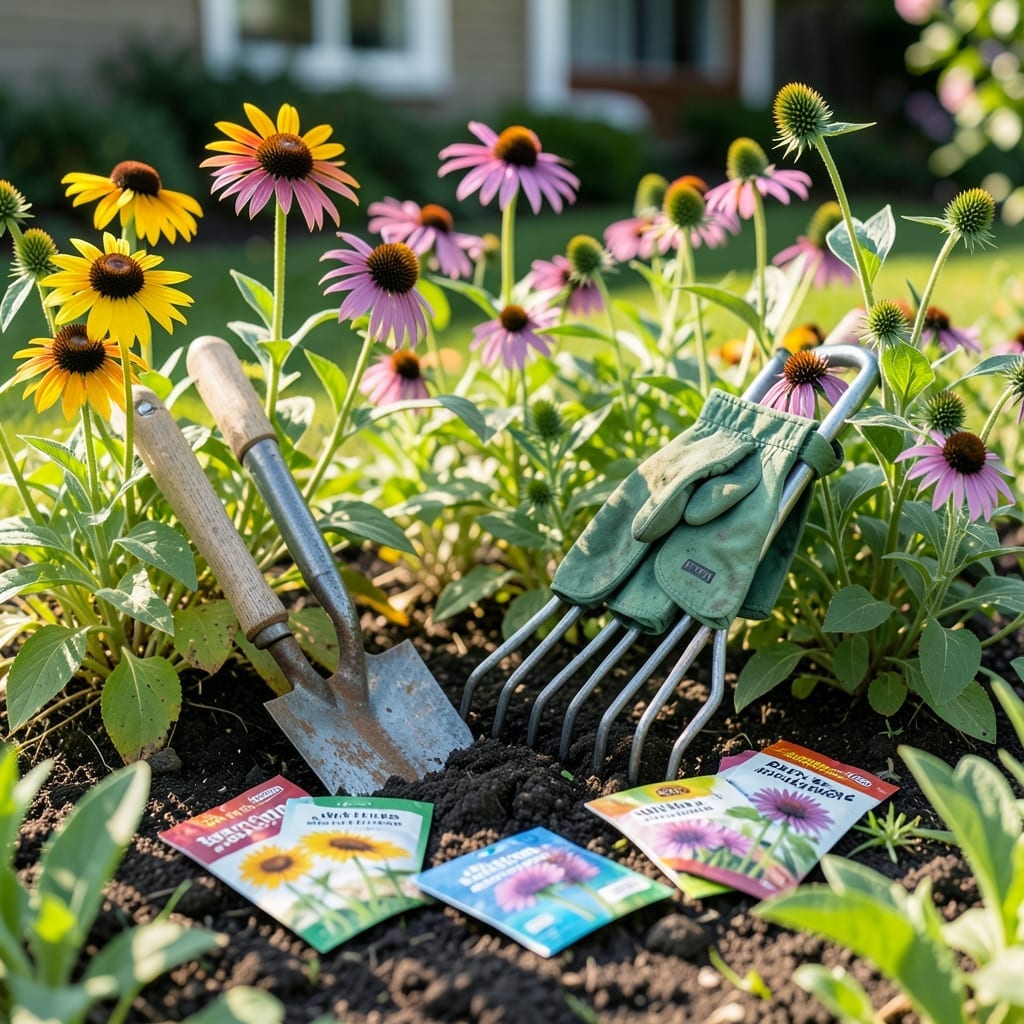
Planting Wildflowers 🌸 in Ohio at the right time ensures vibrant blooms that thrive in Zone 6a’s unique climate.
Whether you’re aiming for a pollinator-friendly meadow or a colorful backyard display, timing is everything. I’ve seen firsthand how the right planting window can transform a lackluster garden into a stunning wildflower haven.
In Ohio, the spring and fall seasons offer distinct advantages for planting. Each has its own set of benefits and considerations, and I’ll break them down for you.
Discover how to align your planting schedule with Ohio’s weather patterns to achieve the most spectacular results.
Ohio’s Zone 5 climate offers distinct windows for wildflower planting. I’ve found early spring and late fall work best, avoiding harsh summer heat and winter frost. These timings align with soil temperature needs for optimal germination.
The last frost date in Ohio typically falls around April 15, making late April to early May ideal for spring planting. For fall, aim for September to early November, giving seeds time to establish before winter.
| Season | Planting Window | Soil Temp |
|---|---|---|
| Spring | March-May | 50-60°F |
| Fall | September-November | 50-65°F |
For spring planting, I wait until soil temperatures consistently reach 50°F. This ensures seeds won’t rot in cold, damp earth. Black-eyed Susans and Purple Coneflowers thrive with this approach.
Fall planting has advantages too. The cooler temperatures reduce weed competition, and autumn rains help seeds settle. I’ve had great success with native milkweed planted in October.
Remember Ohio’s microclimates vary. Northern regions may need to wait until May for spring planting, while southern areas can start in March. Always check your local frost dates for precision.
For best results, I prepare the soil by removing weeds and loosening the top 1-2 inches. This gives wildflower seeds the best contact with the earth for germination.
Watering is crucial after planting. I keep the soil moist but not soggy for the first 4-6 weeks. This helps seeds establish strong root systems before facing Ohio’s summer heat or winter cold.
I’ve noticed perennial wildflowers like Butterfly Weed do especially well with fall planting. They get a head start on root growth before winter, leading to earlier blooms the following year.
For annual wildflowers, spring planting is usually best. Varieties like Cosmos and Zinnias grow quickly in warming soil and provide season-long color in Ohio gardens.
No matter when you plant, I recommend mixing seeds with sand for even distribution. This prevents clumping and ensures better coverage across your planting area. 🌻
Deciding between spring or fall planting for wildflowers in Ohio depends on your goals. I find spring planting ideal for quick color, while fall sowing often yields stronger, more resilient blooms.
Ohio’s Zone 5 climate allows both options, but each season has trade-offs. Spring offers warmer soil, while fall provides natural stratification for native wildflower seeds.☀️
In my experience, spring planting works best for annual wildflowers like cosmos or zinnias. They establish quickly and bloom the same season, giving your garden instant impact.
For perennial wildflowers, I prefer fall planting. The seeds get a head start with winter’s cold, leading to stronger roots and earlier blooms the following year.
Ohio’s last frost date is around April 15, so aim to plant spring wildflowers after this date. For fall planting, sow seeds 6-8 weeks before the first frost, typically by mid-October.
Remember, soil prep is crucial for both seasons. I always clear weeds and loosen the top 1-2 inches of soil to ensure good seed-to-soil contact. This simple step dramatically improves germination rates.🌱