
Beautiful Plants For Your Interior
Beautiful Plants For Your Interior
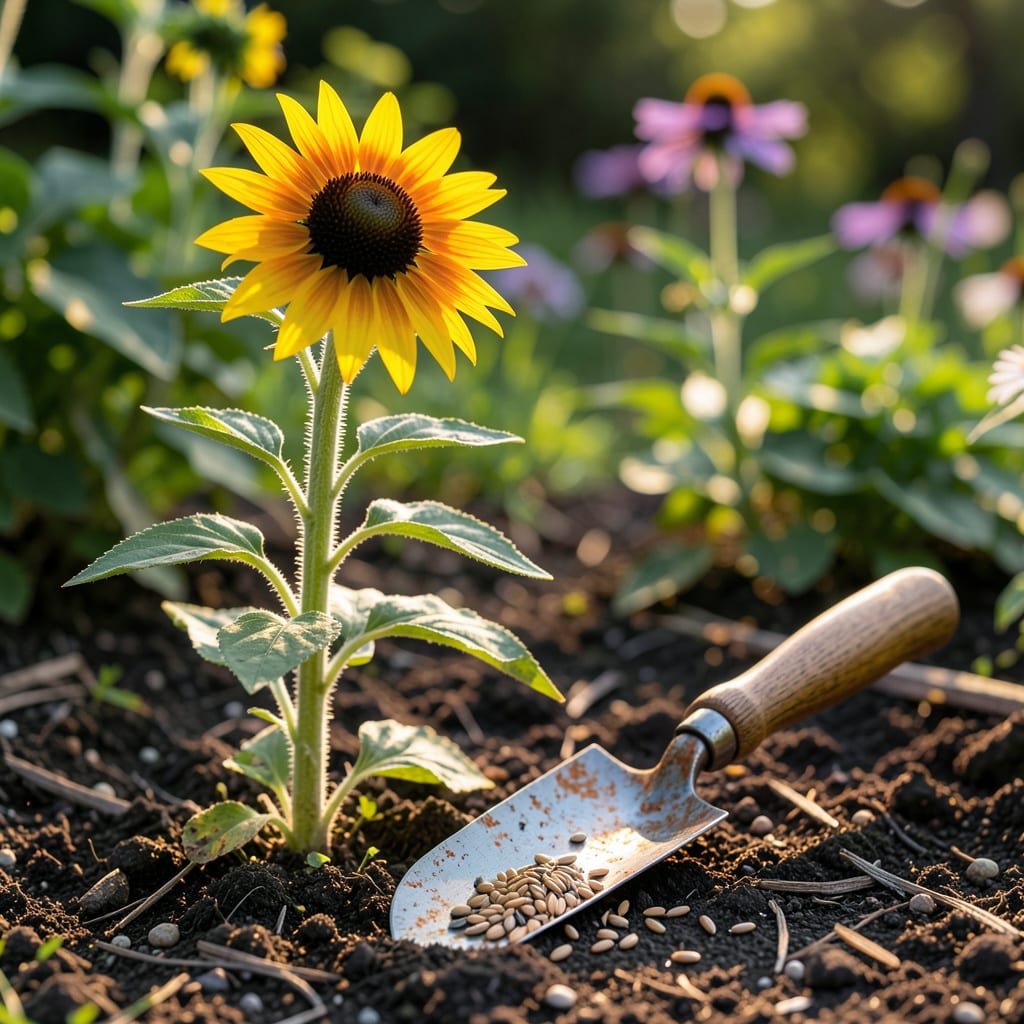
Timing can make or break your wildflower meadow in Zone 8. Plant those 🌼 seeds too early, and they might rot before sprouting. Wait too long, and you’ll miss the sweet spot for strong roots before winter or summer heat arrives.
I’ve tested the ideal windows—fall and spring—to maximize germination and blooms. Whether you’re dreaming of a pollinator paradise or a low-maintenance burst of color, I’ll show you exactly when to sow for wildflowers that thrive, not just survive.
If you’re dreaming of a wildflower meadow bursting with color, timing your seed planting in Zone 8 is crucial. This region’s mild winters and hot summers create two prime planting windows: fall and early spring. Each season offers unique benefits for germination and establishment.
In Zone 8, the first frost typically arrives around November 15, while the last frost is near March 15. This gives gardeners a generous 240-day frost-free window—perfect for wildflowers. The key is aligning your planting with soil temperatures and natural rainfall patterns for optimal results.
| Season | Ideal Months | Soil Temp | Advantages |
|---|---|---|---|
| Fall | September–November | 60–70°F | Natural stratification, fewer weeds, spring blooms |
| Spring | March–April | 55–65°F | Fast germination, summer/fall blooms |
Soil temps are critical—use a soil thermometer for accuracy!
For fall planting, aim for September through early November. This timing allows seeds to stratify naturally during winter, leading to stronger spring germination. I’ve found that native wildflowers like Texas Bluebonnet and Black-eyed Susan thrive with this approach.
Spring planting in March and April works well for annual wildflowers like California Poppies or Cosmos. The warmer soil speeds up germination, but you’ll need to water more frequently as summer approaches. Avoid planting too late—May’s heat can stress young seedlings.
Soil prep matters just as much as timing. Clear the area of weeds and debris, then loosen the top 1–2 inches of soil. Scatter seeds evenly—most wildflowers need light to germinate, so don’t bury them. A light rake or gentle foot press ensures good soil contact.
Watering is critical in the first 4–6 weeks. Keep the soil moist but not soggy—I use a fine mist nozzle to avoid displacing seeds. Once established, most wildflowers are drought-tolerant, but deep watering once a week encourages strong roots.
Pro tip: Mix sand with tiny seeds (like Baby Blue Eyes) for even distribution. For perennial wildflowers, fall planting often yields better long-term results, as roots establish before summer. Annuals planted in spring will bloom faster but need replacement each year.
Watch for unexpected late frosts in spring or summer droughts—both can impact young plants. Mulching lightly with straw helps retain moisture without smothering seeds. If you’re planting a large meadow, consider dividing the area and sowing in phases for extended blooms.
Finally, patience is key! Wildflowers may take 60–120 days to bloom, but the wait is worth it. In Zone 8, you’ll often see first blooms in late spring (for fall-planted seeds) or midsummer (for spring-planted seeds). Keep a gardening journal to track progress year to year.
Even with perfect timing, small mistakes can sabotage your wildflower meadow in Zone 8. I’ve seen gardeners plant at the right time but still struggle with poor germination or weak blooms. The culprit? Often, it’s avoidable errors like improper seed depth or ignoring soil prep.
One of the biggest mistakes is planting too deep. Most wildflower seeds need light to germinate, so burying them like vegetable seeds is a recipe for failure. Another common issue? Skipping soil preparation. Weeds and compacted soil can choke out delicate seedlings before they even sprout.
Fix these, and you’ll see 3x better germination! 🌱
Over- or under-watering is another frequent misstep. Wildflower seeds need consistent moisture for the first 4–6 weeks, but drowning them invites fungal diseases. I use a mist nozzle on my hose to gently water without displacing seeds. Once established, most wildflowers thrive on rainfall alone.
Choosing the wrong species can also lead to disappointment. Not all wildflowers suit Zone 8’s climate. For example, Lupines struggle in humid areas, while California Poppies excel in dry heat. Always check if a variety is heat-tolerant or drought-resistant before planting.
Avoid fertilizing wildflower seeds—it’s rarely needed and can burn tender roots. Wildflowers prefer low-nutrient soil; too much fertility encourages leafy growth over blooms. If your soil is poor, a light compost top-dressing before planting is plenty.
Finally, don’t forget to thin seedlings if they’re overcrowded. While it feels counterintuitive, spacing matters. Overcrowded plants compete for water and sunlight, leading to weak stems and fewer flowers. I thin mine when they’re 2–3 inches tall, leaving the strongest specimens.
By dodging these mistakes, you’ll set your wildflowers up for vibrant, long-lasting blooms. Remember, Zone 8’s long growing season is a gift—use it wisely, and your meadow will reward you with months of color and pollinator activity! 🌼
Not all wildflowers thrive in Zone 8’s unique climate, with its mild winters and scorching summers. I’ve tested dozens of varieties and found the top performers—both native stars and adaptable non-natives—that deliver reliable color and pollinator magnets year after year.
Timing matters just as much as species selection. Some wildflowers, like Texas Bluebonnet, need fall planting to stratify naturally. Others, such as Cosmos, excel when sown in early spring. Below, I’ve organized the best picks by planting season and bloom time to help you plan a nonstop color show.
Mix these for season-long color and low maintenance! 🌼
For fall planting, focus on native perennials like Bluebonnets or Indian Blanket (Gaillardia pulchella). These varieties naturalize easily, returning year after year with minimal care. They also handle Zone 8’s winter rains without rotting, a common issue with non-native seeds.
Spring-planted annuals, such as Cosmos and Zinnias, offer quick color but require replanting each year. I love using them to fill gaps in my meadow while perennials establish. For hotter areas of Zone 8 (like central Texas), prioritize heat-loving varieties like Mexican Sunflower (Tithonia).
Don’t overlook biennials like Foxglove (Digitalis). Plant them in late summer for second-year blooms. They’re perfect for shadier spots in Zone 8 gardens, where full-sun wildflowers might struggle. Pair them with early spring bloomers (e.g., Baby Blue Eyes) for a succession of color.
To extend your wildflower season, stagger plantings of fast growers like Cornflowers every 2–3 weeks in spring. This trick keeps your meadow vibrant from April to frost. And remember: deadhead spent blooms on annuals to encourage more flowers, but leave perennials to self-seed for next year’s display.
Both seasons work, but fall planting (September–November) often yields stronger results. Seeds naturally stratify during winter, leading to earlier spring blooms. Spring planting (March–April) is ideal for annuals like Cosmos that need warmer soil to germinate quickly.
Clear weeds and debris, then loosen the top 1–2 inches of soil. Avoid tilling deeply—wildflowers thrive in undisturbed soil. For clay-heavy zones, mix in 1–2 inches of compost to improve drainage. Never add fertilizer; wildflowers prefer low-nutrient conditions.
It’s risky in Zone 8. Extreme heat (90°F+) stresses seedlings, and soil dries too fast. If you must, choose drought-tolerant varieties like Zinnias or Mexican Sunflower, plant in late afternoon, and water daily for the first month.
Common causes: seeds planted too deep (most need light to germinate), overwatering (soggy soil = rot), or old seeds (viability drops after 2 years). Test germination by placing 10 seeds on a damp paper towel—if fewer than 6 sprout in 10 days, replace your seed batch.
Most native wildflowers become drought-tolerant once roots develop (6–8 weeks). Water deeply once weekly during extreme drought (90°F+ for 5+ days). Non-natives like Poppies may need biweekly water in summer. Always water in early morning to prevent evaporation.
