
Beautiful Plants For Your Interior
Beautiful Plants For Your Interior
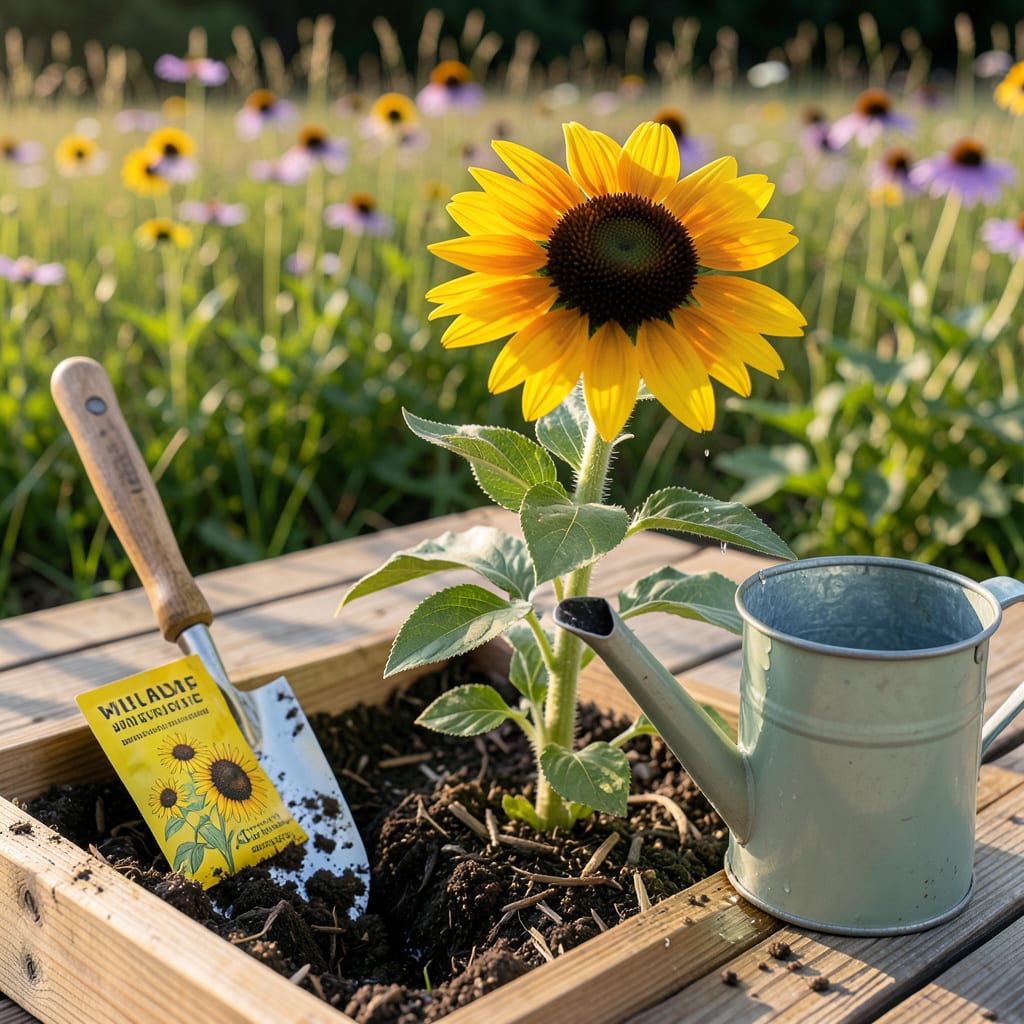
Timing can make or break your wildflower meadow in Pennsylvania. Plant those 🌼 seeds at the wrong moment, and you might end up with sparse patches instead of vibrant blooms. I’ve seen it happen too many times—gardeners eager to get started, only to watch their efforts fade before summer even arrives.
The good news? There’s a perfect window to sow wildflower seeds in PA—one that aligns with our unpredictable springs and frost dates. I’ll show you exactly when to plant for best results, plus the simple prep steps that ensure your seeds thrive from the start. Let’s get this right.
Pennsylvania’s climate gives us two prime windows for planting wildflower seeds: early spring and late fall. The key is matching your timing to soil temperature and frost dates. I’ve found that seeds sown too early risk rot, while late plantings may not establish before winter.
For most of PA (USDA zones 5-7), aim for March-April or October-November. These months avoid extreme heat or cold, giving seeds the best chance to germinate naturally. Let’s break down the ideal timing by season and region.
| Season | Ideal Months | Soil Temp | Best For |
|---|---|---|---|
| Early Spring | March-April | 50-60°F | Annuals, fast bloomers |
| Late Fall | October-November | 40-50°F | Perennials, native species |
| Winter (Dormant) | December-February | Below 40°F | Cold-stratified seeds |
*Note: Adjust for microclimates—Northeast PA may need 2-3 weeks later planting.
Spring planting works best for fast-growing annuals like California Poppies or Cornflowers. I recommend waiting until after the last frost date (around April 30 for most of PA) when soil reaches 50°F. This ensures seeds don’t rot in cold, wet ground.
Fall planting is my personal favorite for native perennials like Black-Eyed Susans or Milkweed. The seeds undergo natural stratification over winter, leading to stronger germination in spring. Just be sure to plant at least 4-6 weeks before the first hard frost (typically mid-October).
For those in warmer southern PA zones (like Philadelphia), you can push spring planting to late February if winter was mild. But in the Poconos or Northeast PA, stick to April to avoid late frosts. Always check your local soil temperature with a simple thermometer.
Pro tip: If you’re planting a wildflower meadow, consider a two-phase approach. Sow half your seeds in fall and the rest in spring. This creates staggered blooms and extends your color season from early summer through fall.
Remember that native PA wildflowers like Butterfly Weed or Pennsylvania Bittercress often perform best with fall planting. They’ve evolved to thrive in our climate’s natural cycles. For non-natives, spring planting usually gives better results.
No matter when you plant, soil preparation is critical. Clear weeds, loosen the top inch of soil, and mix in a thin layer of compost. Avoid burying seeds too deep—most wildflower seeds need light to germinate, so a light raking is all that’s needed.
Finally, keep seeds consistently moist (not soggy) for the first 4-6 weeks. In spring, this might mean watering every 2-3 days if rain is scarce. Fall plantings usually rely on natural precipitation, but check moisture levels during dry spells.
With the right timing and a little care, you’ll be rewarded with a vibrant wildflower display that supports pollinators and brings joy all season long. Now grab those seeds and get planting! 🌼
Even with perfect timing, small mistakes can sabotage your wildflower seeds in Pennsylvania. I’ve seen gardeners make these errors year after year—often without realizing what went wrong. The good news? Most issues are easily preventable with a little know-how.
One of the biggest mistakes is planting too deep. Wildflower seeds need light to germinate, so they should only be pressed lightly into the soil or covered with a thin 1/8-inch layer of soil. Burying them too deep is a surefire way to get zero sprouts.
Fix these, and you’ll see 3x better germination rates in your PA garden.
Another common issue is choosing the wrong seed mix for your region. Many commercial mixes contain species that aren’t suited to Pennsylvania’s climate. Always look for native PA wildflowers like Black-Eyed Susans or Butterfly Weed, which thrive in our USDA zones 5-7.
Don’t overlook soil preparation either. I recommend clearing the area of weeds, then lightly tilling the top 2-3 inches of soil. Mix in a thin layer of compost, but avoid heavy fertilizers—wildflowers prefer leaner soil than your vegetable garden does.
Watering mistakes are another germination killer. After planting, keep the soil evenly moist (like a wrung-out sponge) for the first 4-6 weeks. In spring, this might mean watering every 2-3 days if rain is scarce. Use a fine mist to avoid washing seeds away.
Finally, watch out for invasive species hiding in wildflower mixes. Some popular varieties like Oxeye Daisy can become problematic in PA. Always check the PA DCNR invasive plant list before purchasing seeds. Stick to certified native mixes for the best results.
By avoiding these common pitfalls, you’ll set your wildflower seeds up for success. Remember, the key is working with Pennsylvania’s climate, not against it. Your patience will be rewarded with a stunning, pollinator-friendly display that thrives year after year. 🌼
Pennsylvania’s native wildflowers offer the perfect blend of low-maintenance beauty and pollinator support. I’ve tested dozens of varieties in my own garden, and these five stand out for their reliability and seasonal interest. They’re adapted to our USDA zones 5-7 and thrive with minimal fuss.
Timing matters when planting these natives. Some perform best with fall planting for natural stratification, while others prefer spring sowing. Let’s explore the top performers and when to plant them for maximum impact in your PA garden.
*All varieties are deer-resistant and support native pollinators.
For spring planting, focus on species like Butterfly Weed and Wild Bergamot. These thrive when sown after the last frost date (around April 30 for most of PA). They’ll establish quickly and often bloom in their first year.
Fall is ideal for planting Black-Eyed Susans and Swamp Milkweed. The seeds benefit from winter stratification, which breaks dormancy for stronger spring germination. I recommend planting these by early November to give roots time to settle before frost.
Don’t overlook Pennsylvania Bittercress for early spring color. This delicate wildflower is one of the first to bloom, providing critical nectar for emerging pollinators. Plant seeds in fall for best results, as they need the cold period to germinate properly.
When designing your wildflower garden, consider succession planting. Combine early bloomers like Bittercress with mid-summer Wild Bergamot and late-season Black-Eyed Susans. This ensures continuous color and pollinator support from April through September. 🌼
Fall planting is ideal for native perennials like Black-Eyed Susans, as seeds benefit from natural winter stratification. Spring works best for annuals that need warmer soil. For most PA gardens, I recommend a two-phase approach: plant perennials in October-November and annuals in March-April.
Clear weeds completely, then loosen the top 1-2 inches of soil. Mix in a thin layer of compost, but avoid heavy fertilizers. Wildflowers thrive in leaner soil than vegetables. For best results, rake the area smooth and press seeds lightly into the surface—they need light to germinate.
Summer planting isn’t recommended in PA. The heat and dry conditions make it difficult for seeds to establish. If you must plant mid-season, choose drought-tolerant varieties like Butterfly Weed and water daily until germination. Early fall (September) is a better alternative for summer misses.
Spring-planted annuals may bloom in 60-90 days, while fall-planted perennials typically bloom the following year. Native species like Wild Bergamot often establish slowly but return stronger each season. For quick color, mix fast-growing annuals with your perennial seeds.
Ignoring microclimates is the top error. Northeast PA’s late frosts differ from Philadelphia’s early warmth. Always adjust timing by 2-3 weeks based on your specific region. Another common mistake? Planting too deep—wildflower seeds need light exposure to sprout properly.
