
Beautiful Plants For Your Interior
Beautiful Plants For Your Interior
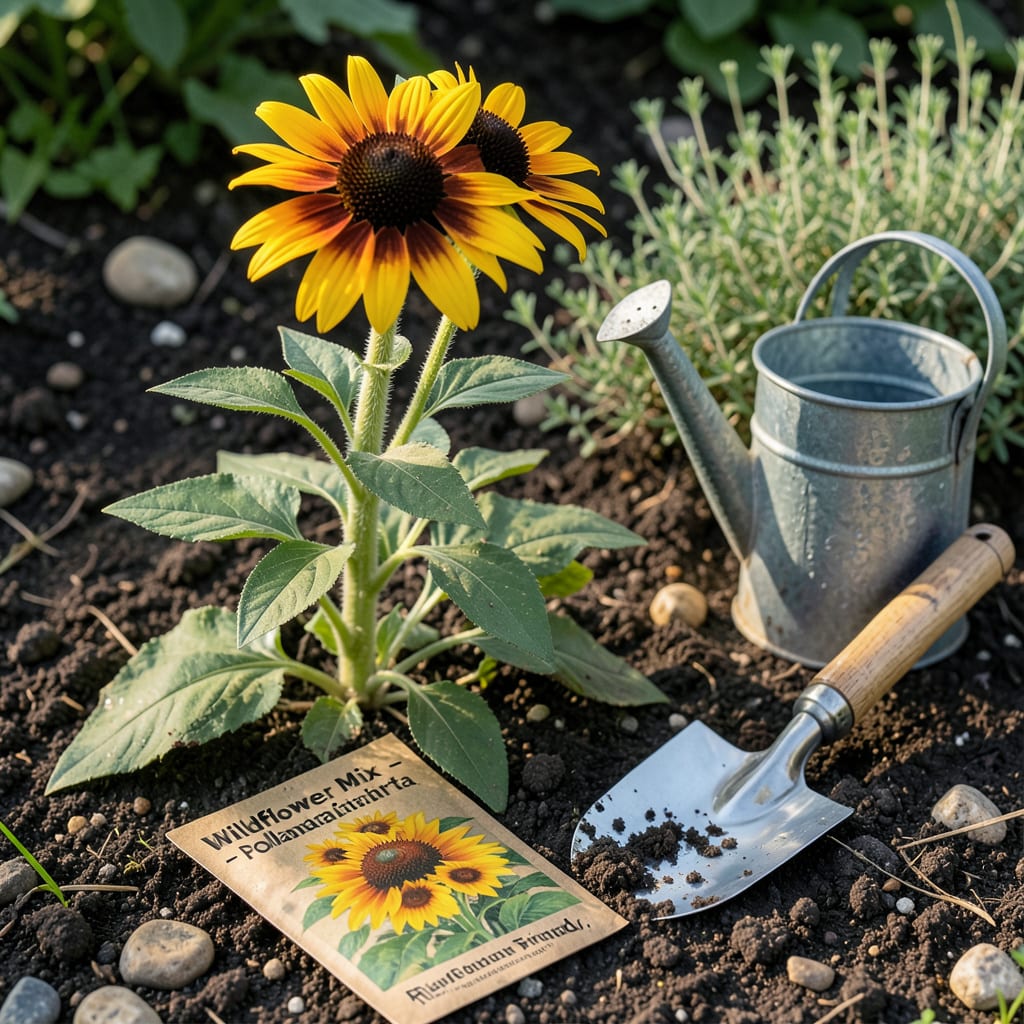
Timing can make or break your wildflower meadow in North Carolina. Plant those 🌼 seeds at the wrong moment, and you might end up with patchy blooms—or worse, no flowers at all. The difference between success and disappointment often comes down to just a few weeks.
I’ve seen gardeners in the Piedmont and Coastal Plain regions get wildly different results from the same seed mix—all because they didn’t adjust for local frost dates and soil conditions. Let’s cut through the guesswork and pinpoint the exact windows for your part of NC, so you can grow a vibrant, pollinator-friendly display without the trial and error.
If you’re dreaming of a pollinator paradise in North Carolina, timing your wildflower seed planting is absolutely critical. Our state’s diverse climate—from the Coastal Plain to the Piedmont and Mountains—means what works in Asheville might flop in Wilmington. Let me break down the regional nuances.
In general, fall planting (September–November) gives seeds a natural stratification period through winter, while spring planting (March–May) works for species needing warmer soil. But the last frost date varies dramatically—coastal areas might see it as early as March 30, while mountain regions could wait until May 15.
| Region | Best Planting Window | Last Frost Date | Top Native Species | Key Consideration |
|---|---|---|---|---|
| Coastal Plain | Sept 15–Nov 15 or Mar 1–Apr 15 | March 30 | Seashore Mallow, Swamp Milkweed, Black-Eyed Susan | Sandy soil dries fast—mulch lightly to retain moisture. |
| Piedmont | Oct 1–Nov 30 or Mar 15–May 1 | April 15 | Butterfly Weed, Purple Coneflower, Coreopsis | Clay soil? Amend with compost for better drainage. |
| Mountains | Oct 15–Nov 1 or Apr 15–May 15 | May 15 | Mountain Mint, Wild Bergamot, Joe-Pye Weed | Higher elevation = cooler temps; avoid late fall planting. |
For fall planting, I recommend getting seeds in the ground 4–6 weeks before your first frost. This gives them time to establish roots without sprouting prematurely. In the Piedmont, that typically means aiming for early October to beat the November 15 average first frost.
If you miss the fall window, spring planting still works—but you’ll need to stratify seeds (like Milkweed) in your fridge for 30 days first. Coastal gardeners have the longest growing season, so you can push spring planting to mid-April and still get stunning results.
Here’s a pro tip: Check your soil temperature before planting. Wildflower seeds germinate best when soil is 55–70°F. Use a simple soil thermometer—if it’s too cold (below 50°F), seeds may rot; too hot (above 75°F), and they might dormancy.
Don’t forget about moisture management! NC’s spring can be unpredictable—if you plant in March or April, be ready with a light mulch (like straw) to protect seeds from heavy rains. Fall plantings benefit from natural winter moisture, but a dry spell might require supplemental watering.
For mountain regions, I’d lean toward spring planting unless you’re using cold-hardy species like Lanceleaf Coreopsis. The shorter growing season means every week counts—plant too late, and flowers may not mature before frost. Coastal gardeners, you’ve got more flexibility but watch for hurricane season (June–November) if planting late.
If you’re torn between seasons, consider this: Fall-planted wildflowers often bloom earlier and stronger the following year because roots establish over winter. But spring-planted seeds give you more control over weeds since you can prep the site just before planting. Both approaches work—pick what fits your schedule!
Before you scatter those seeds, clear the area of weeds and debris. Wildflowers thrive in “poor” soil (too rich = floppy plants), but they hate competition. A quick rake to loosen the top ¼ inch of soil helps seeds make contact without burying them too deep. And remember: wildflowers need light to germinate, so no heavy mulching!
Finally, if you’re planting a pollinator mix, include species like Milkweed (for Monarchs), Purple Coneflower (bees love it), and Partridge Pea (supports native bees). Time your planting so flowers bloom in staggered waves—early, mid, and late season—to support pollinators all year. 🌼
Planting wildflower seeds in North Carolina isn’t just about picking the right date. Even with perfect timing, other factors can make or break your meadow. I’ve seen gardeners struggle with patchy blooms or weak plants—usually because they overlooked these five critical elements beyond the calendar.
First up: soil preparation. NC’s native soils range from sandy Coastal Plain to clay-heavy Piedmont. Wildflowers thrive in low-fertility soil, but they despise competition. Skipping site prep often leads to weeds choking out your seeds before they even sprout. A simple rake to loosen the top ¼ inch makes all the difference.
Seed stratification needs: Many NC natives like Milkweed and Purple Coneflower require 30–60 days of cold to germinate. Skip this, and you’ll get poor sprouting rates. For spring planting, mimic winter by refrigerating seeds in damp sand for 4–6 weeks.
Sunlight exposure: Most wildflowers demand 6+ hours of direct sun. Plant in shade, and you’ll get leggy, weak-stemmed plants. Use a sun calculator app to track light patterns in your site—especially important in NC’s wooded Piedmont areas where tree canopy shifts seasonally.
Moisture management: Overwatering is the #1 killer of wildflower seeds. Aim for 1 inch of water weekly (including rain) until established, then back off. NC’s humid summers often provide enough moisture—supplement only during drought. Use a rain gauge to avoid guesswork.
Weed control: Wildflower seeds can’t compete with aggressive weeds like crabgrass or nutsedge. Prep your site by solarizing (covering with clear plastic for 4–6 weeks in summer) or using a vinegar spray (10% acetic acid) for organic weed suppression before planting.
Seed-to-soil contact: Wildflower seeds need light to germinate, so never bury them. Scatter seeds, then gently press them into soil with a board or roller. For sloped areas in NC’s mountain regions, mix seeds with sand or vermiculite (1:4 ratio) for even distribution and erosion control.
One mistake I see often is over-seeding. More isn’t better—follow the recommended rate on your seed packet (typically ¼–½ lb per 1,000 sq ft). Overcrowding leads to weak plants that flop over. For NC’s clay soils, mix in compost or sand (20% max) to improve drainage without making soil too rich.
Don’t forget about pollinator timing. Stagger your planting to create continuous blooms from early spring to late fall. Include early bloomers like Bloodroot (March), mid-season stars like Black-Eyed Susan (June–August), and late flowers such as Goldenrod (September–October) to support bees and butterflies all season.
Finally, patience is key. Some wildflowers (like Lupine) may not bloom until their second year. In the meantime, keep the area weed-free but don’t fertilize—wildflowers prefer lean soil. Mark your planting zones with biodegradable flags so you don’t accidentally till or mow emerging seedlings. 🌼
Planning your wildflower meadow in North Carolina? A month-by-month calendar takes the guesswork out of timing. Our state’s unpredictable weather—from coastal humidity to mountain frosts—means you can’t rely on generic advice. Let’s map out the ideal schedule for Piedmont vs. Coastal regions.
In the Coastal Plain, you’ll start earlier thanks to milder winters, while Piedmont gardeners need to adjust for later frosts. Mountain regions have the shortest window, so precision matters. Here’s how to align your planting with NC’s seasons for maximum blooms and minimal frustration.
| Month | Coastal Plain Action | Piedmont Action | Mountain Action | Key Notes |
|---|---|---|---|---|
| August | Clear planting site | Clear planting site | Clear planting site | Remove weeds, debris. Solarize if needed. |
| September | Plant seeds | Prep soil | Prep soil | Coastal: Ideal for fall planting. Piedmont: Wait until October. |
| October | Water if dry | Plant seeds | Plant seeds | Best month for Piedmont/Mountains. Mulch lightly. |
| November | Monitor moisture | Water if dry | Protect from frost | Mountains: Cover seeds if hard freeze predicted. |
| March | Spring plant | Prep for spring | Wait for thaw | Coastal: Safe to plant early. Piedmont: Wait until April. |
| April | Weed control | Spring plant | Prep soil | Piedmont: Ideal spring window. Mountains: Plant late April. |
For fall planting, I always recommend September 15–October 15 in the Coastal Plain. This gives seeds time to establish before winter but avoids the hurricane season rains. In the Piedmont, October 1–November 1 is your sweet spot—after the summer heat breaks but before heavy frosts.
If you’re planting in spring, Coastal gardeners can start as early as March 1, while Piedmont folks should wait until April 1 to avoid late frosts. Mountain regions? Hold off until mid-April when soil temps hit 55°F. Pro tip: Use a soil thermometer—it’s more reliable than air temperature!
Don’t overlook post-planting care. After sowing, keep the area moist but not soggy for 4–6 weeks. I use a gentle sprinkler to avoid washing seeds away. Once sprouts appear, reduce watering—wildflowers hate wet feet! In the Piedmont’s clay soil, add a thin layer of sand or straw to prevent crusting.
For pollinator support, time your planting so flowers bloom in succession. Include early bloomers like Carolina Jessamine (February–March) and late-season stars like Asters (September–October). This ensures bees and butterflies have food all year. Mark your calendar to deadhead spent blooms in summer for prolonged flowering. 🌼
Fall planting (October 1–November 1) often yields stronger results because seeds naturally stratify over winter. However, spring (March 15–May 1) works well if you pre-chill seeds like Milkweed for 30 days in your fridge.
In the Coastal Plain, December planting is risky due to potential frost, but dormant seeding (scattering seeds on frozen ground) can work. In the Piedmont/Mountains, wait until spring—seeds may rot in cold, wet soil.
Loosen the top 2–3 inches and mix in compost or sand (20% max) to improve drainage. Avoid over-amending—wildflowers thrive in lean soil. A light raking before planting ensures good seed-to-soil contact.
No worries! Spring planting still works—just stratify seeds (like Coneflower or Lupine) in your fridge for 4–6 weeks first. Coastal gardeners can plant as late as mid-April, while Piedmont folks should aim for early April.
Yes, but lightly! Keep soil moist (not soggy) for 4–6 weeks post-planting. Use a gentle sprinkler to avoid washing seeds away. Once sprouts appear, reduce watering—wildflowers hate wet feet!
