
Beautiful Plants For Your Interior
Beautiful Plants For Your Interior
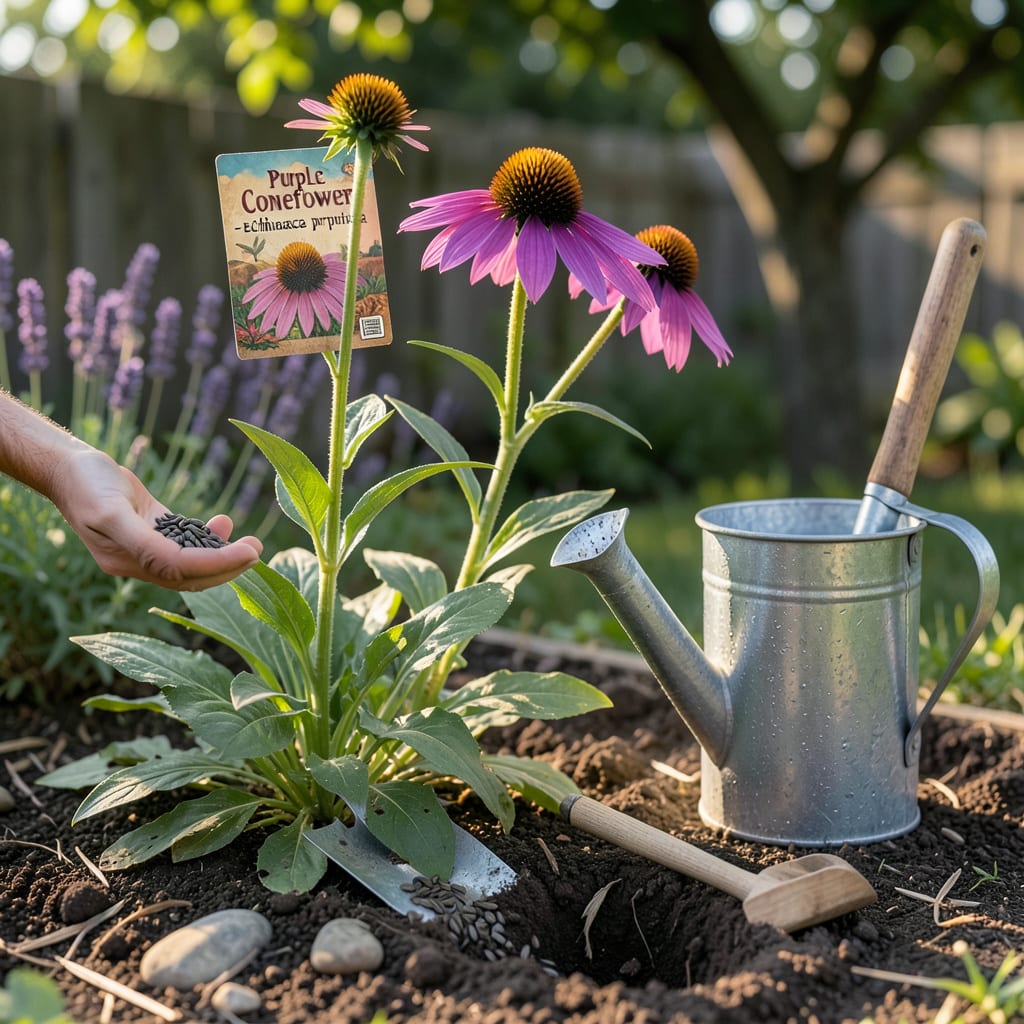
Timing can make or break your wildflower garden—especially in Michigan’s unpredictable climate. Plant too early, and a late frost might wipe out your seeds. Wait too long, and you’ll miss the optimal growing window for vibrant blooms.
After years of testing and local research, I’ve pinpointed the perfect frost-free periods for sowing wildflower seeds in zones 4a-6b. Whether you’re in the Upper Peninsula or Southern Michigan, I’ll show you exactly when to plant for a season full of color. Let’s get started.
If you’re eager to transform your Michigan landscape into a vibrant wildflower haven, timing is your secret weapon. Michigan’s diverse climate—spanning USDA zones 4a-6b—means planting windows vary dramatically from the Upper Peninsula to Southern Michigan. Get it right, and you’ll enjoy waves of color from spring to fall.
The golden rule? Aim for soil temperatures above 50°F. In most of Michigan, that means targeting late fall (October-November) or early spring (March-April). But regional frost dates shift dramatically—what works in Detroit won’t fly in Marquette. Let’s break down the specifics for your area.
| Region | Last Frost Date | Best Fall Planting | Best Spring Planting | Top Native Picks |
|---|---|---|---|---|
| Upper Peninsula | June 1 | Oct 1-15 | May 15-June 1 | Wild Lupine, Canada Anemone |
| Northern Lower | May 15 | Oct 1-30 | April 20-May 15 | Black-Eyed Susan, Butterfly Weed |
| Southern Michigan | April 20 | Oct 15-Nov 15 | March 15-April 20 | Purple Coneflower, Wild Bergamot |
For fall planting, I recommend sowing seeds 4-6 weeks before your first frost. This gives seeds time to establish roots without sprouting above soil—a process called winter stratification. Species like Purple Coneflower and Milkweed thrive with this method, as the cold naturally breaks their dormancy.
Spring planting requires more caution. Wait until soil is workable—not soggy—and after your last frost date. In Detroit, that might be mid-April, while Traverse City gardeners should wait until early May. Pro tip: Use a soil thermometer to confirm temps are consistently above 50°F at 2-inch depth.
Michigan’s Lake Effect creates microclimates that can extend or shorten your window. Coastal areas near Grand Rapids or Holland often have milder winters and can plant slightly earlier in spring. Meanwhile, inland areas like Lansing experience more dramatic temperature swings—stick to the conservative end of the planting windows.
If you’re planting perennial wildflowers like Michigan Lily or Joe-Pye Weed, fall planting gives them a head start. For annuals such as Indian Blanket, spring sowing works best. Always check seed packets for species-specific needs—some natives require cold stratification and won’t germinate if planted in spring.
Remember that urban heat islands can shift your timeline. Detroit and Grand Rapids often have earlier last frosts than rural areas. When in doubt, consult your local MSU Extension office for hyper-local advice. Their Smart Gardening program offers fantastic Michigan-specific resources.
For sandy soils common in West Michigan, you might need to water more frequently after planting. In the clay-heavy soils of Southeast Michigan, amending with compost improves drainage. Regardless of soil type, avoid burying seeds—most wildflower seeds need light to germinate and should only be pressed lightly into the soil surface.
Finally, consider succession planting for continuous blooms. Sow early bloomers like Bloodroot in fall, then add mid-summer varieties like Bee Balm in spring. This strategy keeps your garden buzzing with pollinators from April through October while maximizing your Michigan growing season.
Whether you’re creating a pollinator paradise in Ann Arbor or a wildflower meadow in the Keweenaw Peninsula, matching your planting schedule to Michigan’s microclimates ensures success. Next, we’ll dive into the step-by-step process to get those seeds off to the best possible start.🌼
Now that you know when to plant, let’s talk about how to give your wildflower seeds the best start in Michigan’s soil. The difference between a sparse patch and a bursting meadow often comes down to preparation. I’ve found that 90% of success happens before you even scatter the first seed.
Start with site selection—most Michigan wildflowers demand full sun (6+ hours). Use a sun calculator app to track light patterns in your yard, especially in early spring or late fall when shadows are longer. For clay-heavy soils common in Southeast Michigan, I recommend broadforking to aerate without disturbing soil structure too much.
⚠️ Critical Mistake Alert!
Never skip weed removal before planting. Michigan’s persistent quackgrass and creeping Charlie will choke out wildflower seedlings. I use the “stale seedbed” technique: prepare the area, water to germinate weeds, then remove them before planting your wildflowers.
For seed stratification, Michigan’s cold winters actually work in your favor. Many native seeds like Milkweed and Purple Coneflower need 30-60 days of cold to break dormancy. You can either fall plant (let nature handle it) or refrigerate seeds for 4-6 weeks before spring planting. I prefer the natural method—it’s easier and more reliable.
When sowing, less is more. Most wildflower seeds need light to germinate, so simply press them into the soil surface—don’t bury them. For even distribution, I mix seeds with fine sand (1 part seed to 4 parts sand) and broadcast by hand. This prevents clumping and makes it easier to see where you’ve planted.
Watering is where many gardeners go wrong. After planting, give seeds a gentle misting to settle them—no heavy streams that might displace seeds. Keep soil consistently moist (not soggy) for the first 4-6 weeks. In Michigan’s unpredictable springs, I use soaker hoses to deliver water directly to the soil without disturbing seeds.
Finally, mulch matters. A light layer of straw mulch (about 1/4 inch) helps retain moisture and protect seeds from Michigan’s temperature swings. Avoid thick mulches like wood chips—they can smother emerging seedlings. Once plants reach 4-6 inches tall, you can remove mulch to reduce competition.
Remember that patience is key with wildflowers. Some species like Wild Lupine may not bloom until their second year, while others like Indian Blanket will burst into color the first season. Keep a garden journal to track what works in your specific Michigan microclimate—it’s the best tool for improving your wildflower game each year.🌼
Michigan’s native wildflowers aren’t just beautiful—they’re powerhouse plants that support local pollinators while thriving in our climate. After testing dozens of varieties across Michigan’s USDA zones 4a-6b, I’ve narrowed it down to seven standout species that deliver vibrant color, drought tolerance, and deer resistance.
These picks are perfect for creating a low-maintenance meadow or adding pollinator-friendly pops to your garden. Each one is adapted to Michigan’s cold winters and variable rainfall, ensuring success whether you’re in the Upper Peninsula or Southeast Michigan. Let’s explore the best options for continuous blooms from spring to fall.
For pollinator gardens, I recommend pairing Butterfly Weed with Wild Bergamot—this combo provides nectar from early summer to fall. If you’re dealing with deer pressure, focus on Black-Eyed Susan and Purple Coneflower, which are typically left alone by wildlife.
Michigan’s sandy soils in West Michigan are perfect for Wild Lupine, while the clay-heavy soils of Southeast Michigan suit Joe-Pye Weed and Purple Coneflower. For shady spots, Michigan Lily performs beautifully under deciduous trees, blooming just as the canopy fills in.
To extend your bloom season, plant early bloomers like Wild Lupine alongside late-season stars such as Joe-Pye Weed. This succession planting ensures your garden stays vibrant for months. Most of these wildflowers are perennials, meaning they’ll return year after year with minimal care.
Remember that native wildflowers require less water and no fertilizer once established. They’ve evolved to thrive in Michigan’s conditions, making them the ultimate low-maintenance choice. For best results, plant in groups of 3-5 to create visual impact and support pollinator pathways.🌿
Fall planting (October-November) is often ideal because it allows seeds to naturally stratify during winter. This mimics Michigan’s native conditions and often results in stronger spring germination. Spring planting works too, but requires more careful timing after the last frost.
Soil should be workable—not soggy or frozen—and reach at least 50°F at 2-inch depth. Test by squeezing a handful: if it crumbles easily, it’s ready. In Michigan, this typically occurs in late April for Southern regions and early May for Northern areas.
While possible, it’s not recommended for most Michigan wildflowers. Many species develop deep taproots that resent transplanting. Direct sowing works best, though you can start a few varieties like Black-Eyed Susan in biodegradable pots to get a head start.
Planting too early risks frost damage to emerging seedlings, while planting too late may prevent seeds from establishing before winter. In Michigan’s climate, both scenarios can lead to poor germination. Always check your local frost dates and aim for the 4-6 week window before first frost in fall.
Yes, but gently! Use a fine mist to settle seeds without displacing them. Keep soil consistently moist (not soggy) for the first 4-6 weeks. Michigan’s spring rains often help, but you may need to supplement during dry spells. A light straw mulch helps retain moisture without smothering seeds.
