
Beautiful Plants For Your Interior
Beautiful Plants For Your Interior
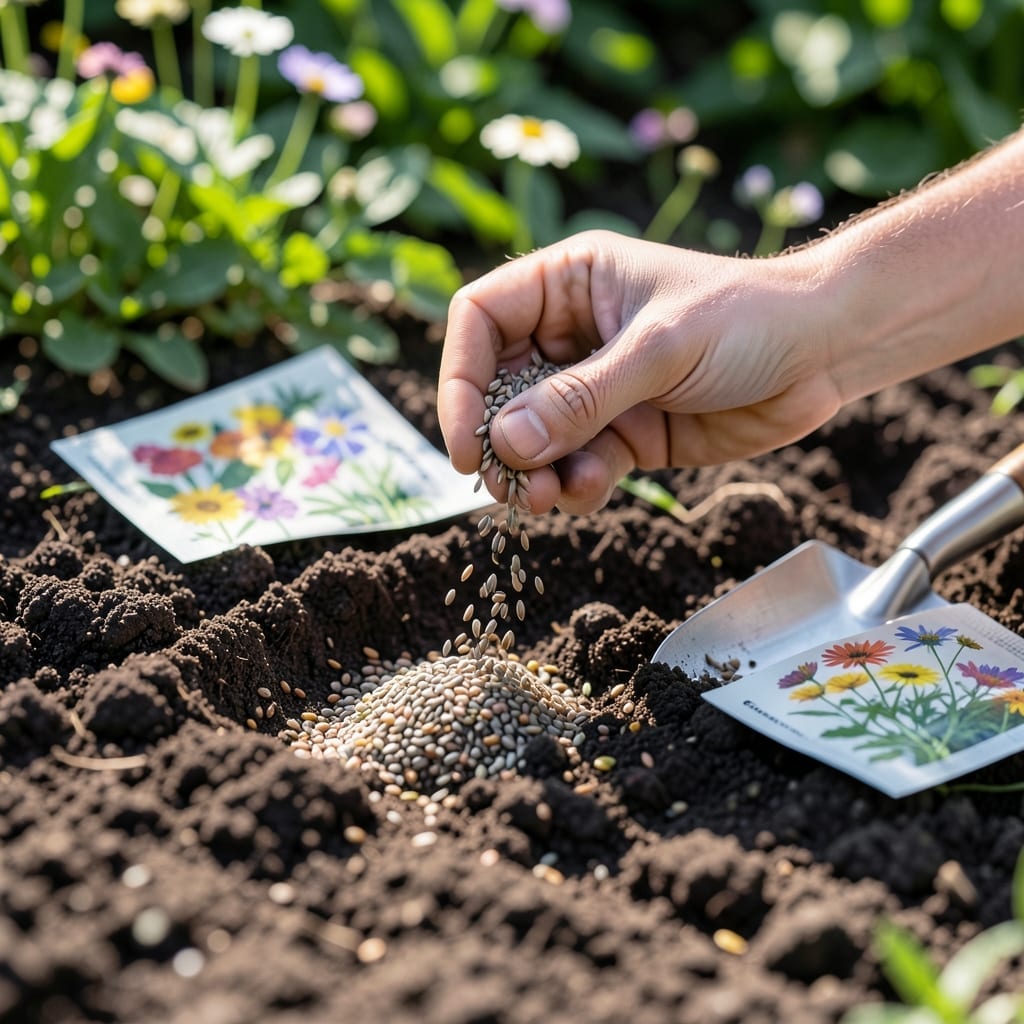
Timing is everything when planting 🌸 Wildflower seeds in Iowa—plant too early, and frost may kill your seedlings; too late, and you’ll miss the optimal growing window.
Iowa’s climate demands precision, especially in zones 5a-6b. Whether you’re aiming for spring blooms or a fall start, getting the schedule right makes all the difference.
Discover the perfect planting times to ensure vibrant, thriving Wildflowers that transform your garden into a colorful haven.
Iowa’s USDA zones 5a-6b offer two prime windows for planting wildflower seeds. The first is early spring, just after the last frost, when soil temperatures reach 50°F or higher. This timing ensures seeds germinate as the weather warms.
For a head start, late fall planting is also effective. Seeds sown in September or October will naturally stratify over winter, leading to earlier blooms the following spring. This method mimics nature’s own planting rhythm.
| Season | Planting Window | Soil Temp | Notes |
| Early Spring | March – May | 50°F+ | After last frost |
| Late Fall | September – October | 40°F+ | Natural stratification |
In early spring, aim to plant after Iowa’s last frost date, which ranges from April 15 to May 1. This timing helps avoid late frosts that could damage tender seedlings. I always check local weather forecasts to confirm the soil is warm enough.
For fall planting, I recommend sowing seeds 6-8 weeks before the first frost, typically around October 15. This gives seeds enough time to settle before winter while avoiding premature germination.
Soil preparation is key. I loosen the top 1-2 inches of soil and remove weeds to give wildflower seeds the best start. Avoid burying seeds too deep—most need light to germinate, so a light pressing into the soil is sufficient.
Watering after planting is crucial. I gently mist the area to settle the soil without displacing seeds. In spring, keep the soil moist but not soggy until seeds sprout, which usually takes 10-20 days. In fall, nature often handles the watering.
Iowa’s clay-heavy soils can be challenging, so I often amend with compost to improve drainage. Wildflowers are adaptable, but they thrive in well-draining soil with full sun exposure, which means at least 6 hours of sunlight daily.
If you’re planting a wildflower meadow, consider mixing seeds with sand to ensure even distribution. This technique helps avoid clumping and ensures a more uniform display of blooms. I’ve found this method particularly effective for larger areas.
Finally, be patient. Wildflowers may take 1-2 seasons to fully establish, but the wait is worth it. Once they’re settled, they’ll return year after year with minimal care, bringing vibrant color and pollinator-friendly blooms to your Iowa garden.
Remember, the best time to plant is when you can commit to proper care, so choose the season that fits your schedule and climate conditions best. ☀️
Planting wildflower seeds in Iowa is straightforward if you follow a few key steps. I always start by selecting a sunny location with at least 6 hours of direct sunlight daily, as most wildflowers thrive in bright conditions.
Next, prepare the soil by removing weeds and debris. I loosen the top 1-2 inches of soil to create a welcoming bed for the seeds. Avoid tilling deeply, as this can bring up dormant weed seeds. 🌱
For even distribution, I mix seeds with sand or fine compost before scattering. This helps avoid clumping and ensures a uniform spread. If planting a large area, divide it into sections and sow each part separately.
After planting, water the area gently but thoroughly. In spring plantings, keep the soil consistently moist for 10-20 days until germination. For fall plantings, rely on natural rainfall unless the season is unusually dry.
Once seedlings emerge, reduce watering but keep the soil from drying out completely. Wildflowers are drought-tolerant once established, but they need a good start. I also avoid using herbicides, as they can harm young wildflower seedlings.
Finally, be patient. Wildflowers may take 1-2 years to fully establish, but they’ll reward you with low-maintenance beauty and a haven for pollinators. The effort is well worth the colorful, thriving garden you’ll enjoy. 🌿