
Beautiful Plants For Your Interior
Beautiful Plants For Your Interior
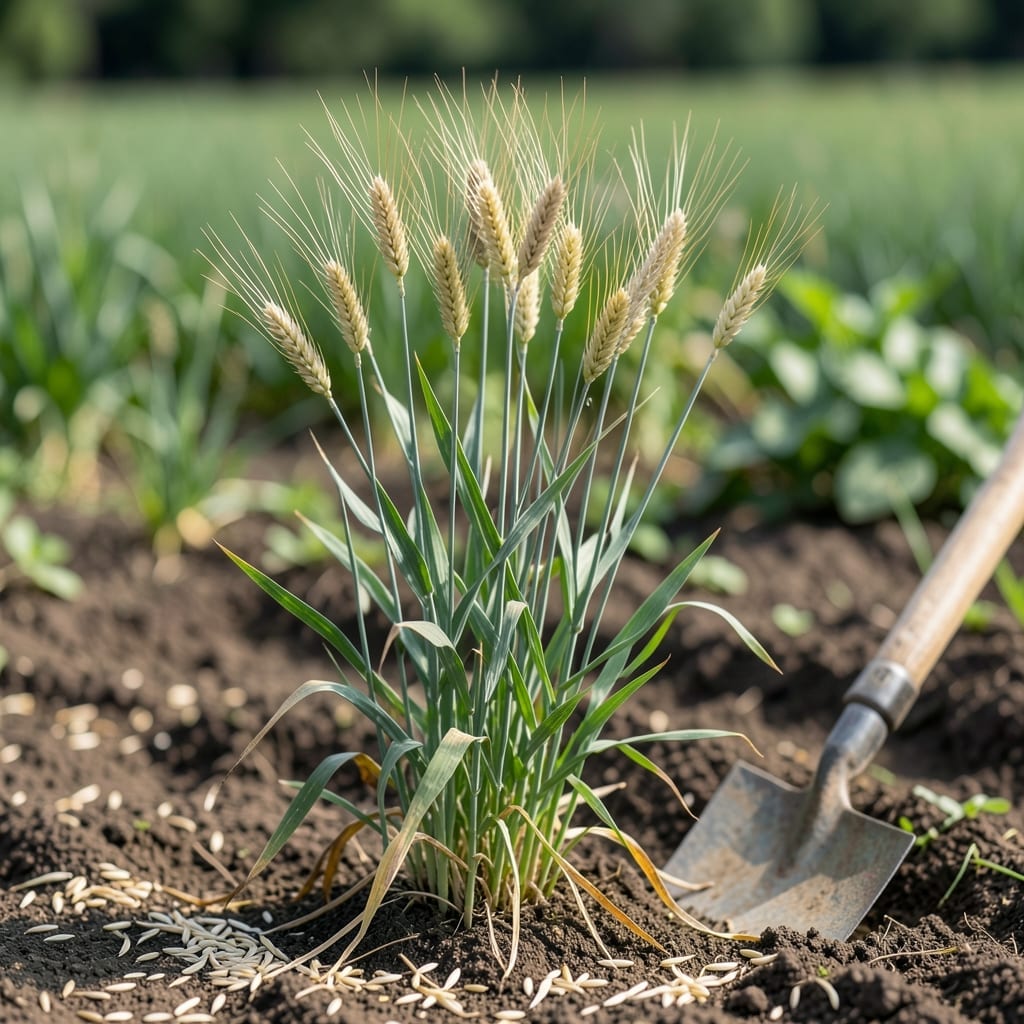
Timing your wheat planting in Michigan can make or break your harvest. The state’s varied climate demands precise planning for both spring and fall varieties.
Whether you’re a seasoned farmer or a backyard grower, nailing the optimal window ensures robust growth. For zones 5b-6a, this timing becomes even more critical.
I’ve seen firsthand how proper scheduling transforms struggling crops into thriving fields. The 🌾 wheat plant responds beautifully when planted at the right moment.
Discover how to align your planting with Michigan’s unique seasons and frost dates. Your future harvest will thank you.
Michigan’s USDA zones 4-6 create distinct planting windows for wheat. In the Upper Peninsula (Zone 4), winter wheat thrives when sown August 25-September 15 to establish roots before frost.
The Lower Peninsula (Zones 5-6) offers more flexibility, with optimal planting from September 10-October 10. This timing allows 6-8 weeks of growth before winter dormancy.
🌾 Michigan Wheat Planting Guide
| Zone | Winter Wheat Window | Spring Wheat Window |
|---|---|---|
| 4 (Upper Peninsula) | Aug 25 – Sep 15 | Apr 15 – May 10 |
| 5 (Northern Lower) | Sep 1 – Sep 30 | Apr 10 – Apr 30 |
| 6 (Southern Lower) | Sep 10 – Oct 10 | Mar 25 – Apr 15 |
I always recommend checking your local soil temperature before planting. Winter wheat needs 50-60°F soil for germination. A simple soil thermometer takes the guesswork out.
For spring wheat, aim for soil temps above 40°F. In Zone 6, this typically aligns with early April plantings. The warmer soil speeds up germination significantly.
The first frost date is your deadline. In Zone 5, that’s usually October 15. Plant winter wheat 6-8 weeks prior to ensure strong root development before dormancy.
Michigan’s sandy loam soils drain well, which is ideal for wheat. But I’ve found that adding organic matter before planting improves moisture retention during dry spells.
Remember that spring wheat matures faster than winter varieties. In Zone 6, you can expect harvest in late July for spring plantings, while winter wheat typically ripens in early August.
For the most accurate timing, consult your local extension office. They often have hyper-local data that accounts for microclimates and recent weather patterns.
In my experience, wheat planted too early in fall can grow too tall before winter, making it susceptible to winter kill. Stick to the recommended windows for best results
🌾
In Michigan, spring wheat and winter wheat have distinct planting windows that directly impact your harvest. I’ve found that understanding these differences is crucial for maximizing yield in our climate.
Spring wheat thrives when planted in early April to mid-May, after the soil warms to at least 40°F. It grows quickly and is ready for harvest by late summer. 🌾
| Type | Planting Window | Harvest Time | Cold Tolerance |
|---|---|---|---|
| Spring Wheat | April – May | July – August | Low |
| Winter Wheat | August – October | June – July | High |
Winter wheat is my go-to for Michigan’s climate because it’s planted in fall (usually August to October). It establishes roots before winter, then resumes growth in spring for an earlier harvest.
For winter wheat, timing is everything. I always aim to plant 6-8 weeks before the first frost, which in Michigan is typically around October 15th. This gives the plants enough time to develop strong root systems.
One key advantage of winter wheat is its ability to outcompete weeds in early spring. I’ve noticed significantly fewer weeds in my winter wheat plots compared to spring plantings. It also tends to have a higher yield potential in our region. 🌱
Remember, soil preparation is critical for both types. I always test my soil pH (aim for 6.0-7.5) and ensure good drainage before planting. Proper preparation can make the difference between a mediocre and an exceptional harvest.