
Beautiful Plants For Your Interior
Beautiful Plants For Your Interior
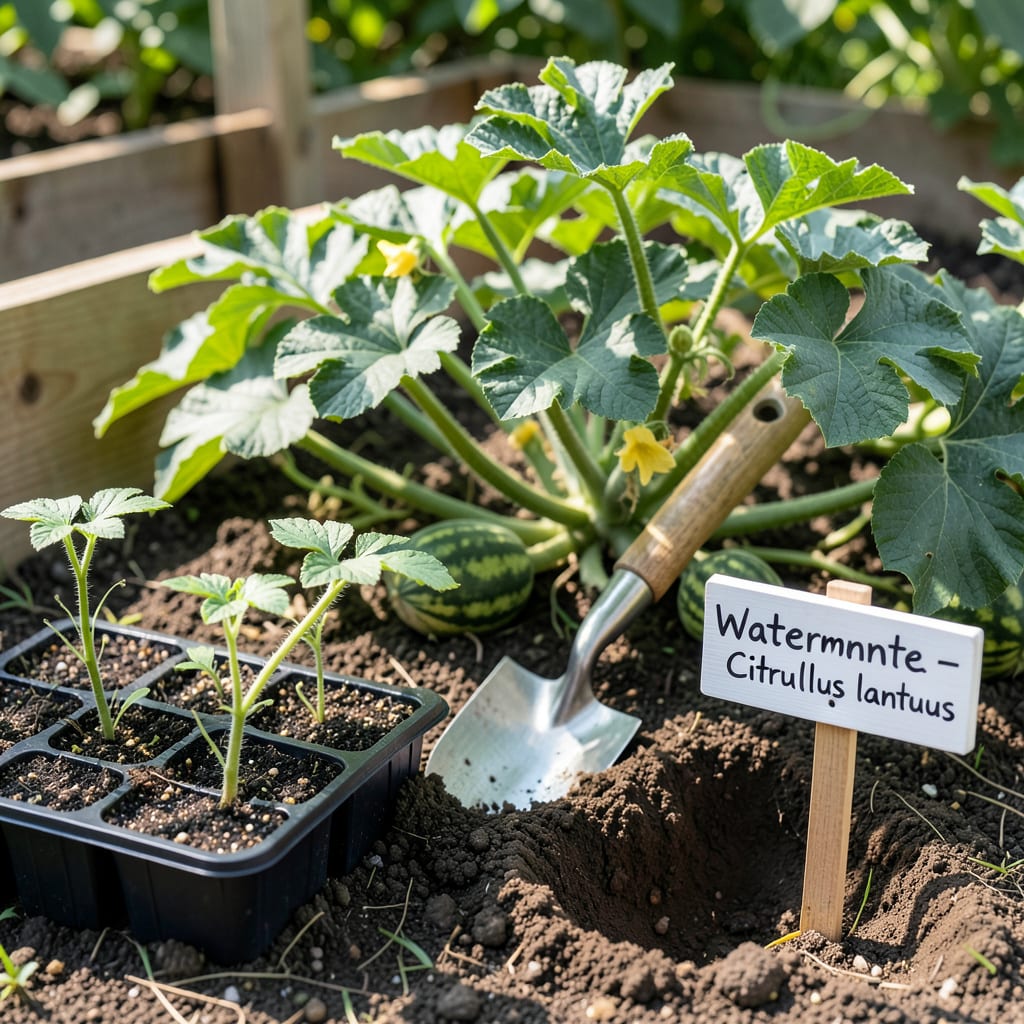
Texas heat can make or break your watermelon crop—plant too soon, and a late frost might wipe out your seedlings. Wait too long, and the scorching summer sun could fry your vines before they bear fruit. The difference between a juicy harvest and a disappointing season often comes down to just a few weeks.
I’ve dug into the data from Texas A&M AgriLife Extension to pinpoint the ideal planting windows for every region—from the Panhandle to the Gulf Coast. Whether you’re in Zone 6 or 10, I’ll show you exactly when to get those seeds in the ground for the sweetest results.
If you’re dreaming of homegrown Texas watermelons, timing is your secret weapon. Our state’s diverse USDA zones (from 6a to 10a) mean planting dates vary wildly—what works in Houston won’t fly in Amarillo. I’ll break down the perfect window for your region.
The magic starts with soil temperature: watermelons need 70°F+ to germinate. Plant too early in North Texas, and late frosts could wipe out seedlings. Wait too long in South Texas, and summer’s scorching heat will stress your vines before harvest.
| Texas Region | USDA Zone | Planting Window | Last Frost Date | Days to Harvest |
|---|---|---|---|---|
| North Texas (Dallas, Fort Worth) | 7b-8a | April 10–May 1 | March 20 | 80–90 |
| Central Texas (Austin, San Antonio) | 8a-8b | March 15–April 10 | February 28 | 75–85 |
| South Texas (Houston, Corpus Christi) | 9a-9b | February 15–March 15 | January 30 | 70–80 |
| West Texas (El Paso, Lubbock) | 7a-8b | April 1–April 20 | March 15 | 85–95 |
| Coastal Texas (Galveston, Brownsville) | 9b-10a | February 1–March 1 | January 15 | 65–75 |
✅ Pro Tip: Use a soil thermometer—don’t guess! Watermelons planted in 60°F soil often rot before sprouting.
In North Texas, I wait until mid-April to avoid late frosts. The Dallas-Fort Worth area’s Zone 8a climate means you’ve got about 190 frost-free days—perfect for standard varieties like ‘Crimson Sweet’ (85 days).
Central Texas gardeners get a head start! Austin’s Zone 8b lets you plant as early as March 15. But watch for “blue northers”—those sudden cold snaps can stall growth. I always keep frost blankets handy until April.
Down in South Texas, you’re basically in a watermelon paradise. The Rio Grande Valley (Zone 9b-10a) can plant as early as February 1. Just be ready to water deeply—those sandy soils drain fast! I recommend drip irrigation to keep moisture consistent.
West Texas is tricky—low humidity and intense sun mean you’ll need to mulch heavily. In Lubbock (Zone 7a), I plant ‘Black Diamond’ (90 days) because it handles heat better than most. Windbreaks help too—those Panhandle gusts can shred tender leaves.
For coastal areas, humidity is your friend and foe. The longer growing season (Zone 9b-10a) lets you try successive plantings. I do one batch in early February and another in late March for a staggered harvest. Just watch for fungal diseases—space vines 3–4 feet apart for airflow.
No matter where you are, soil prep is non-negotiable. Texas soils range from clay-heavy (North/Central) to sandy (Coastal). I amend with compost and aged manure before planting. A pre-plant fertilizer (5-10-10) gives vines a strong start.
Remember: watermelons need 80–100 days to mature. Count backward from your first expected frost to pick varieties. In Zone 8a, that means nothing over 90 days unless you’re using row covers to extend the season. I love ‘Sugar Baby’ (75 days) for its reliability.
Finally, don’t plant by the calendar alone—watch your local weather and soil temps. I use the Texas A&M AgriLife Extension‘s weekly reports to fine-tune my timing. When the 10-day forecast shows consistent nighttime temps above 50°F, it’s go time! ☀️
Even with perfect timing, Texas gardeners often sabotage their watermelon crops with avoidable errors. I’ve seen healthy seedlings wilt overnight and promising vines produce tiny, bitter fruits—all because of simple oversights. Let’s fix the three most common mistakes before they ruin your harvest.
The first blunder? Planting in cold soil. Watermelons need 70°F+ soil temps to germinate properly. I’ve lost entire seed trays by planting when daytime temps hit 80°F but nights still dip below 50°F. Always check soil temperature at 4-inch depth—not just air temperature.
1. Overwatering Seedlings: Drowning young plants causes root rot. Keep soil moist but not soggy until vines establish.
2. Ignoring Soil Prep: Texas clay suffocates roots. Mix in 3 inches of compost and sand for drainage.
3. Crowding Plants: Vines need 3-5 feet spacing. Overcrowding invites powdery mildew in humid areas.
💡 Quick Fix: Use raised beds in clay-heavy zones and black plastic mulch to warm soil faster.
Another costly error is skipping the soil test. Texas soils vary dramatically—alkaline clay in North Texas versus sandy loam along the coast. I once grew stunted vines in my Dallas garden until I realized the pH was 8.2. Watermelons prefer 6.0-6.8 pH. A simple test kit saves seasons.
Underestimating water needs ranks as mistake #3. While mature vines are drought-tolerant, young plants need consistent moisture. In West Texas, I use drip irrigation to deliver 1-2 inches weekly directly to roots. The key? Water deeply 2-3 times per week rather than daily light sprinkles.
Many gardeners also misjudge variety selection. Planting a 90-day ‘Charleston Gray’ in Zone 8a often means harvest coincides with first frost. I now stick to 75-day ‘Sugar Baby’ or 80-day ‘Crimson Sweet’ for reliable results. Always match days-to-harvest with your frost-free window.
Finally, neglecting pest control can destroy vines overnight. Cucumber beetles and squash bugs love Texas watermelons. I apply neem oil weekly and use row covers until flowers appear. For organic gardens, beneficial nematodes work wonders against soil-borne pests.
Remember: Texas heat accelerates everything—both growth and problems. What might be a minor issue in cooler climates becomes a crisis here. I keep a gardening journal to track what works each season. When you avoid these pitfalls, you’ll be rewarded with sweet, crackling watermelons that make the effort worthwhile. 🪴
Not all watermelons thrive in Texas’s scorching summers and unpredictable springs. After testing dozens of varieties across our state’s diverse climates, I’ve found the heat-tolerant champions that consistently produce sweet, juicy fruit—even when temperatures soar above 100°F.
The key is matching days-to-harvest with your region’s growing season. In North Texas (Zone 8a), you need varieties that mature in 80 days or less. Down in the Rio Grande Valley (Zone 10a), you can experiment with longer-season types, but disease resistance becomes critical in the humidity.
🌱 Pro Tip: For West Texas, choose varieties with smaller leaves to reduce water loss. In coastal areas, prioritize fungus-resistant types.
For urban gardeners with limited space, ‘Bush Sugar Baby’ (70 days) is a game-changer. Its compact vines (just 3-4 feet) fit in raised beds or large containers. I grew six plants on my Austin patio last year and harvested 10-pound melons—perfect for small families.
If you’re in drought-prone areas like El Paso or Lubbock, ‘Orangeglo’ (85 days) deserves a spot in your garden. This orange-fleshed variety has a tougher rind that resists cracking during water fluctuations. Its high sugar content (12% Brix) makes it worth the extra care.
For organic growers, ‘Sangria’ (80 days) is my top pick. It’s resistant to fusarium wilt and produces 12-15 pound fruits with deep red flesh. The vines are vigorous but not overly aggressive, making them easier to manage in smaller gardens.
Remember: Texas-sized watermelons need Texas-sized care. Even the best varieties will struggle without consistent watering (1-2 inches weekly) and proper spacing (3-5 feet between plants). I always add a 3-inch layer of straw mulch to keep roots cool and conserve moisture during our summer heatwaves. 💧
Watermelons need soil temps of 70°F or higher to germinate properly. In Texas, this typically means waiting until mid-March to early April for most regions. Use a soil thermometer at 4-inch depth for accuracy—don’t guess!
Yes, but be cautious! Start seeds 3-4 weeks before transplanting in biodegradable pots to avoid root shock. Texas heat means transplants should go out when soil reaches 70°F—usually late March in South Texas and mid-April in North Texas.
Give vines 3-5 feet of space in all directions. In humid areas like East Texas, wider spacing (5 feet) improves airflow and reduces fungal diseases. For compact varieties like ‘Bush Sugar Baby,’ 3 feet works in raised beds or containers.
Count backward from your first expected frost date. In Zone 8a (Dallas), plant by May 1 for 80-day varieties. Coastal Texas (Zone 10a) can plant as late as early April for 70-day types. Always choose fast-maturing varieties for late plantings.
Use frost blankets or row covers when nighttime temps drop below 50°F. In North Texas, keep covers handy until mid-April. For unexpected cold snaps, water the soil before sunset—moist ground retains heat better than dry soil.
