
Beautiful Plants For Your Interior
Beautiful Plants For Your Interior
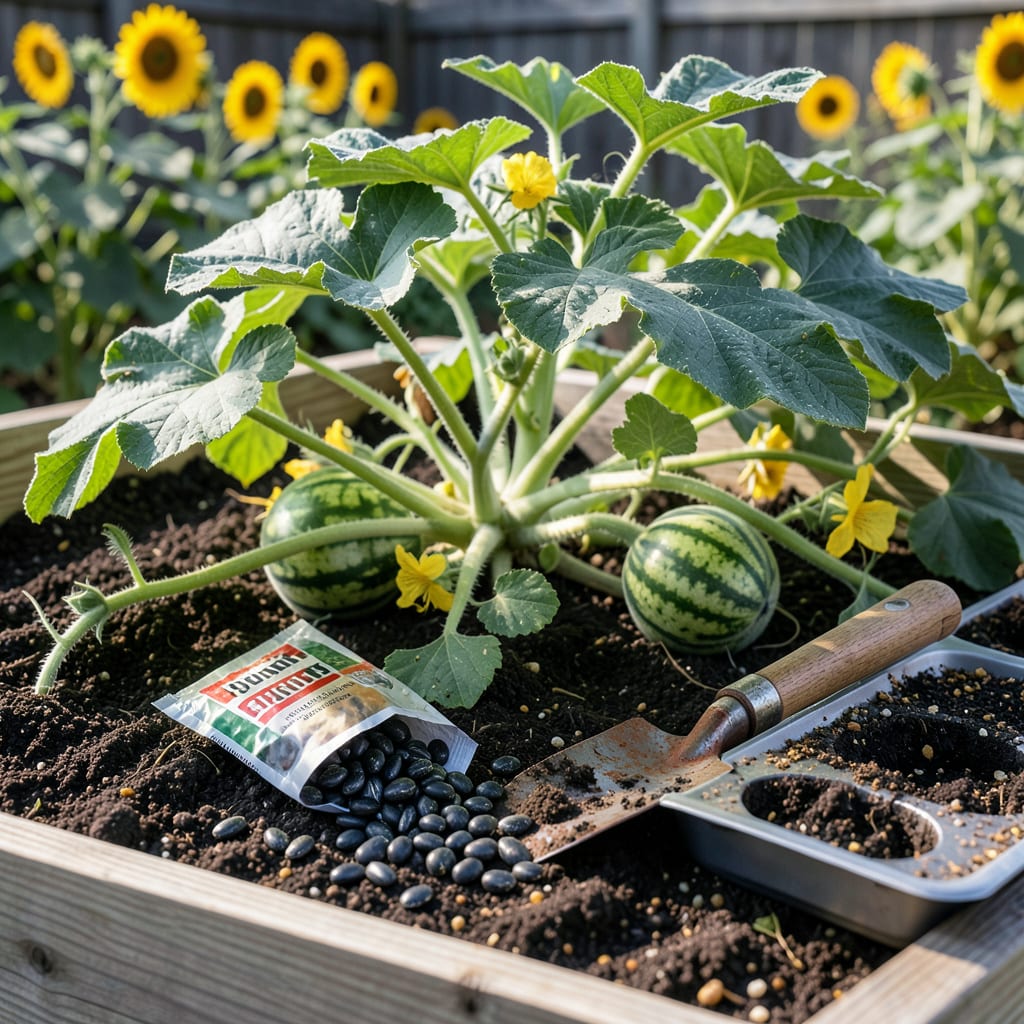
Nothing beats the taste of a juicy, homegrown watermelon on a scorching Texas summer day. But timing your planting wrong could leave you with wilted vines instead of sweet rewards.
I’ve seen too many gardeners in Texas struggle with stunted growth or zero fruit—all because they planted too early or too late. Let’s cut through the guesswork and get your 🍉 patch thriving with the right timing for your exact region.
If you’re dreaming of biting into a homegrown Texas watermelon this summer, timing your planting is critical. Texas’s vast size means planting dates vary dramatically from the Panhandle’s cooler zones to the Gulf Coast’s humidity. Get it right, and you’ll avoid frost damage while beating the brutal summer heat.
Watermelons thrive when soil temperatures hit 70°F+, which in Texas can happen as early as February in Zone 9b (think Brownsville) or as late as mid-April in Zone 8a (Amarillo). Plant too early, and a late freeze could wipe out seedlings. Plant too late, and scorching temps may stress plants before fruiting.
| Texas Region | USDA Zone | Ideal Planting Window | Last Frost Date | Days to Maturity |
|---|---|---|---|---|
| North Texas (Dallas, Fort Worth) | 8a | March 15–April 15 | March 15 | 80–90 days |
| Central Texas (Austin, San Antonio) | 8b | March 1–April 1 | March 1 | 75–85 days |
| South Texas (Houston, Corpus Christi) | 9a | February 15–March 15 | February 15 | 70–80 days |
| West Texas (El Paso, Lubbock) | 8a–9a | March 10–April 10 | March 10 | 85–95 days |
| Gulf Coast (Galveston, Beaumont) | 9b | February 1–March 1 | February 1 | 65–75 days |
In North Texas (Zone 8a), I recommend waiting until after March 15 to avoid late frosts. Gardeners in Central Texas (Zone 8b) can start earlier—around March 1—thanks to milder winters. Down in South Texas (Zone 9a/9b), you’re lucky: plant as early as February 1 for a head start on the season.
For West Texas, where temperatures swing wildly, aim for mid-March to early April. The Gulf Coast’s humidity allows for the earliest plantings—February 1–March 1—but watch for fungal diseases. Pro tip: Use a soil thermometer to confirm temps are consistently above 70°F at 4″ depth before sowing.
If you’re in a microclimate (like urban heat islands or hill country valleys), adjust by 1–2 weeks. Urban areas often warm faster, while low-lying spots may stay cooler. I’ve seen Austin gardeners plant 2 weeks earlier than rural neighbors due to heat retention from pavement.
For fall watermelons, start seeds in late July to early August in most regions. This works best in Zone 9, where the first frost arrives late. In Zone 8, fall plantings are riskier—focus on spring crops unless you’re prepared to cover plants if early cold snaps hit.
Watermelons need 8–10 weeks of warm weather after planting to mature. In South Texas, you might squeeze in two crops: one in late winter and another in late summer. Further north, stick to one spring planting to avoid frost risks.
Always direct-sow seeds—watermelons hate transplanting. Plant 3–4 seeds per hill, spacing hills 3–4 feet apart. Thin to the strongest 1–2 seedlings once they have 2–3 true leaves. This ensures robust vines without overcrowding.
Remember, Texas soil prep matters. Amend heavy clay (common in North Texas) with compost or sand to improve drainage. In sandy South Texas soil, mix in organic matter to retain moisture. A balanced fertilizer (10-10-10) at planting gives seeds a nutrient boost.
Finally, keep an eye on the Texas A&M AgriLife Extension for real-time alerts on frost or heatwaves. Their county-specific guides are gold for Texas gardeners. With the right timing, you’ll be harvesting sweet, juicy watermelons by early summer! ☀️🌱
Once your watermelon seeds are in the ground, the real challenge begins: shielding tender seedlings from Texas’s brutal heat and relentless pests. I’ve lost count of how many gardeners I’ve seen watch their vines wilt under the 100°F+ summer sun or get decimated by squash bugs overnight.
The key is proactive protection—not waiting until you see crispy leaves or chewed stems. Start with shade cloth (30–50% density) to filter intense afternoon sun, especially in West and Central Texas. Even heat-loving watermelons can scorch when temps climb above 95°F for days on end.
🌱 PRO TIP:
Use black plastic mulch to warm soil early in the season, then switch to straw or grass clippings in summer to retain moisture and cool roots. This trick can lower soil temps by 10°F during heatwaves!
Mulching is your best friend in Texas. Apply a 3–4 inch layer of straw or shredded leaves around seedlings (keep it 2 inches away from stems to prevent rot). This reduces evaporation, suppresses weeds, and blocks soil-borne pests like cutworms. In South Texas, where humidity fuels fungal diseases, opt for pine straw—it allows better airflow.
Watering wisely makes or breaks your crop. Deep soak 2–3 times weekly (1–2 inches total), always in the early morning. Avoid overhead watering—drip irrigation or soaker hoses deliver water to roots while keeping foliage dry, reducing powdery mildew risk. I’ve seen gardeners in Houston cut their fungal issues in half just by switching to drip systems.
Now, let’s talk pests. Squash bugs and cucumber beetles are public enemy #1 for Texas watermelons. Handpick eggs from leaf undersides daily, or spray neem oil (mix 1 tbsp per gallon of water) at dawn. For severe infestations, pyrethrin-based sprays (derived from chrysanthemums) work but avoid spraying during pollinator-active hours (10 AM–4 PM).
Don’t overlook aphids—they love sucking sap from tender new growth. Blast them off with a strong water spray or introduce ladybugs (buy 1,500 per 1,000 sq ft). In El Paso’s arid climate, spider mites thrive; combat them with weekly misting to raise humidity. Always inspect leaves for yellow stippling (a telltale sign of mites).
For drought stress, watch for wilting in late afternoon—this is normal in heat, but if leaves stay wilted by morning, your plants need help. Apply a foliar spray of seaweed extract (mix per label instructions) to reduce transplant shock and boost heat tolerance. In extreme drought, prioritize watering at the base of vines to encourage deep root growth.
Finally, row covers can be a game-changer for young plants. Use lightweight fabric (like Agribon) to protect seedlings from pests while allowing 70% light penetration. Remove covers once flowers appear to allow bee pollination. In North Texas, keep covers handy for unexpected late frosts—yes, even in April!
Monitor your plants like a hawk. Texas weather shifts fast, and what works one week might need adjustment the next. With these strategies, you’ll keep those vines thriving until harvest—sweet, juicy rewards await! ☀️✂️
Not all watermelons thrive in Texas’s intense heat and drought-prone soil. After years of testing, I’ve found the best varieties are those that mature quickly, resist diseases, and handle 90°F+ temps without wilting. Here’s my shortlist of winners for Texas gardens.
First up: ‘Sugar Baby’ (75 days). This compact variety is a Texas favorite—8–10 lb fruits with deep red, ultra-sweet flesh. It’s drought-tolerant and thrives in containers if space is tight. Perfect for South and Central Texas where summers arrive early.
For North Texas gardeners, ‘Golden Midget’ (70 days) is a gem. Its small 3–4 lb fruits ripen fast, beating early summer heatwaves. The yellow flesh is a fun twist, and its compact vines fit smaller spaces. Pair it with ‘Sugar Baby’ for a staggered harvest.
In West Texas’s arid climate, ‘Dixie Queen’ (80 days) shines. Its deep root system seeks out moisture, and the thick rind resists sunburn. I’ve seen it thrive in El Paso with minimal watering once established. For Gulf Coast humidity, ‘Charleston Gray’ (90 days) resists powdery mildew better than most.
Want early harvests? Try ‘Early Moonbeam’ (65 days). Its icebox-sized melons (5–7 lbs) are perfect for small families. The white rind reflects sunlight, reducing heat stress. For container gardening, ‘Bush Sugar Baby’ stays compact (vines under 4 ft) but delivers full-sized flavor.
Remember: Texas-sized flavor starts with the right variety. Match your choice to your zone and space, and you’ll be slicing into sweet success by July! 🍉🌿
In Zone 9a/9b (Houston, Corpus Christi, Brownsville), you can start as early as February 1. The Gulf Coast’s mild winters allow for earlier planting than northern regions. Just watch for unexpected cold snaps!
Use a soil thermometer to check temps at 4″ depth. Watermelons need 70°F+ to germinate well. If your soil feels cool to the touch in the morning, it’s likely not ready yet.
Yes! Choose compact varieties like ‘Bush Sugar Baby’ or ‘Golden Midget’. Use a 5-gallon minimum container per plant, ensure full sun, and water daily in summer. Vines will sprawl, so provide a trellis or let them trail.
Planting too early in North/Central Texas before the last frost (March 1–15). Rushing leads to frost-damaged seedlings. Also, overwatering in clay soil causes root rot—stick to 1–2 inches per week.
In Zone 9 (South/Gulf Coast), yes! Plant in late July–early August for a fall harvest. Further north, it’s riskier—focus on spring plantings unless you’re ready to protect plants from early frosts.
