
Beautiful Plants For Your Interior
Beautiful Plants For Your Interior
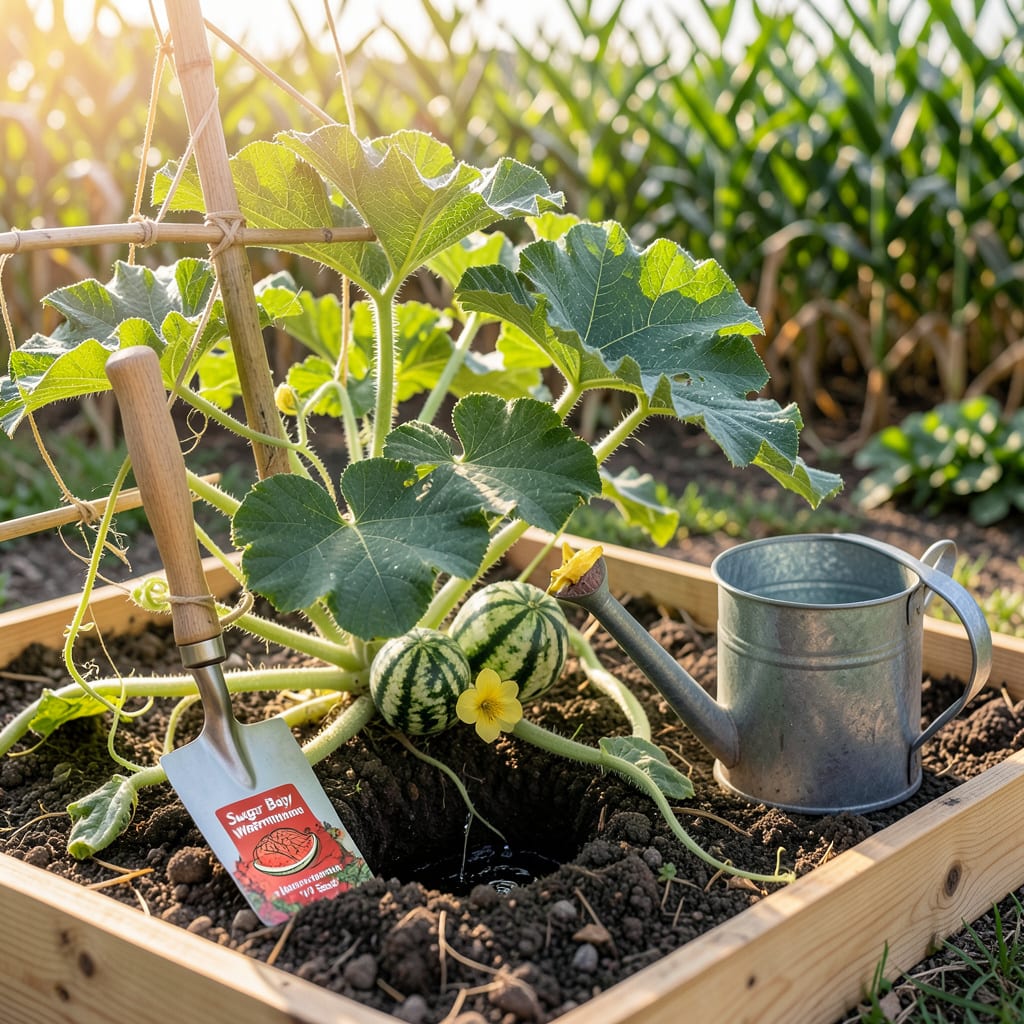
Nothing beats the taste of a homegrown Virginia watermelon—juicy, sweet, and bursting with summer flavor. But timing your planting wrong could leave you with a disappointing harvest (or none at all).
I’ve seen too many gardeners rush to plant in early spring, only to lose their crops to late frosts. Let me show you the exact window for planting in Zones 7a-8a, so you get that perfect, sun-warmed 🍉 straight from your garden.
If you’ve ever bitten into a homegrown Virginia watermelon, you know the flavor explosion is worth the effort. But timing is everything—plant too early, and a late frost will wipe out your seedlings. Wait too long, and your melons won’t ripen before summer’s end. The key? Matching your planting dates to Virginia’s diverse USDA zones (5a to 8a).
Virginia’s climate varies dramatically, from the cooler mountains (Zone 5a) to the warmer coastal plains (Zone 8a). In Zone 7a—where most Virginians garden—the last frost date hovers around April 15. But soil temperature matters more: watermelons need 70°F+ soil to germinate. That’s why I always recommend waiting until late April to early June for direct sowing.
| USDA Zone | Region | Last Frost Date | Direct Sow Dates | Soil Temp Requirement |
|---|---|---|---|---|
| 5a-6a | Mountains (e.g., Roanoke) | May 1 | May 10–June 1 | 70°F+ |
| 6b-7a | Piedmont (e.g., Richmond) | April 15 | April 25–May 15 | 70°F+ |
| 7b-8a | Coastal Plain (e.g., Virginia Beach) | April 1 | April 15–May 10 | 75°F+ |
In cooler zones (5a-6a), like the Blue Ridge Mountains, I’d err on the side of caution. Wait until mid-May to plant, or use black plastic mulch to warm the soil faster. Gardeners in Zone 7b-8a (think Hampton Roads) can push the envelope slightly—mid-April plantings often succeed if the soil is pre-warmed.
Microclimates matter too. If you’re in an urban heat island (like downtown Richmond), you might plant 1 week earlier. Near a river? The moderating effect can extend your season by 5–7 days. Always use a soil thermometer—don’t guess! Cold soil (65°F) leads to poor germination and weak plants.
For seed-starting indoors, begin 3–4 weeks before your last frost date. Use biodegradable pots to avoid root shock during transplanting. I’ve found that ‘Sugar Baby’ (75 days) and ‘Crimson Sweet’ (85 days) thrive in Virginia’s climate. Seedless varieties like ‘Triple Crown’ need pollinator plants nearby—don’t forget to add a seeded watermelon!
Watermelons are heavy feeders, so prep your soil with aged compost or a balanced fertilizer (10-10-10). In sandy coastal soils, mix in organic matter to improve moisture retention. For clay-heavy Piedmont soil, add perlite or coarse sand to boost drainage. A pH of 6.0–6.8 is ideal—test your soil before planting!
Spacing is critical: give vines 6–10 feet to sprawl, or use a trellis for smaller varieties. In raised beds, I plant 1–2 vines per 4×8-foot bed to avoid overcrowding. Mulch with straw or grass clippings to retain moisture and suppress weeds. Watermelons hate competition!
Watch for cucumber beetles—they’re rampant in Virginia. I use row covers early in the season, then switch to neem oil sprays once flowers appear. Companion planting with marigolds or nasturtiums can deter pests naturally. And don’t forget: consistent watering (1–2 inches per week) is key, especially during fruit set.
In Zone 8a, you might sneak in a second crop by planting in late July for a fall harvest. Choose fast-maturing varieties like ‘Bush Sugar Baby’ (70 days). Just be sure to count backward from your first frost date (around October 15) to ensure a full 90-day growing window.
Pro tip: If you’re short on space, try ‘Mini Love’ or ‘Golden Midget’—compact vines with 5–7 lb fruits. They’re perfect for containers (use a 10-gallon pot per plant) or small gardens. Just remember: even dwarf varieties need full sun and warm soil to thrive. ☀️
Even experienced gardeners can sabotage their watermelon harvest with a few common blunders. I’ve seen it happen too often—weak vines, rotten fruits, or worse, no melons at all. Let’s tackle the top three mistakes that trip up Virginia gardeners, so you can sidestep them and grow those sweet, juicy giants.
The first error? Planting in cold soil. Watermelons are tropical natives—they hate chilly roots. If your soil is below 70°F, seeds will rot or germinate poorly. I always use a soil thermometer to check. In Zone 7a, that often means waiting until late April, even if air temps feel warm. Don’t rush it!
Next up: forgetting about pollinators. If you’re growing seedless watermelons (like ‘Triple Crown’), you must plant a seeded variety nearby. Bees need pollen from seeded plants to fertilize seedless flowers. I tuck in a ‘Crimson Sweet’ vine every 20 feet to ensure good fruit set. No bees? Hand-pollinate with a small paintbrush in the morning.
Finally, overcrowding is a silent yield-killer. Watermelon vines need room to roam—6–10 feet per plant in-ground, or 1 vine per 4×8-foot raised bed. Cramped vines compete for nutrients, leading to small, bland fruits. For small spaces, try ‘Bush Sugar Baby’ on a sturdy trellis. Just support developing melons with pantyhose slings to prevent snapping.
Another sneaky issue? Inconsistent watering. Watermelons need 1–2 inches per week, especially during fruit set. Too little water causes blossom-end rot; too much leads to bland, watery flesh. I use a drip irrigation system on a timer to keep moisture steady. Avoid wetting leaves—water at the base to prevent powdery mildew.
Lastly, don’t skip pest prevention. Virginia’s cucumber beetles and squash bugs love watermelon seedlings. I cover young plants with floating row covers until flowers appear, then switch to weekly neem oil sprays. Companion planting with marigolds or nasturtiums also helps deter pests naturally. 🌿
One more pro tip: avoid high-nitrogen fertilizers once fruits form. Too much nitrogen = leafy vines, few melons. Switch to a low-nitrogen, high-phosphorus feed (like 5-10-10) when flowers appear. In sandy coastal soils, I add kelp meal for extra potassium—it boosts sweetness and disease resistance. Test your soil annually to adjust amendments!
Not all watermelons are created equal—especially in Virginia’s variable climate. Choosing the right variety can mean the difference between a bountiful harvest and a disappointing flop. In cooler zones like 5a-6a, you’ll want fast-maturing types that ripen in 70–80 days. Warmer zones (7b-8a) can handle longer-season giants.
For short-season areas (like the Blue Ridge Mountains), I recommend ‘Sugar Baby’ (75 days) or ‘Bush Sugar Baby’ (70 days). These compact vines produce 8–10 lb fruits with classic sweetness. If you’re in Zone 7a+, you can experiment with larger heirlooms like ‘Moon and Stars’ (90 days) or ‘Crimson Sweet’ (85 days).
| Variety | Days to Maturity | Fruit Size | Best For | Flavor Profile |
|---|---|---|---|---|
| Sugar Baby | 75 | 8–10 lbs | Zones 5a–8a | Classic sweet, crisp |
| Bush Sugar Baby | 70 | 6–8 lbs | Small spaces, containers | Sweet, compact |
| Crimson Sweet | 85 | 20–25 lbs | Zones 7a–8a | Juicy, extra sweet |
| Moon and Stars | 90 | 25–35 lbs | Warmer zones, heirloom lovers | Rich, old-fashioned |
| Triple Crown (seedless) | 80 | 15–18 lbs | All zones (needs pollinator) | Sweet, seedless |
For seedless varieties like ‘Triple Crown’, remember they need a seeded pollinator (like ‘Sugar Baby’) planted nearby. I space them 1:3—one pollinator for every three seedless plants. In coastal Virginia, where humidity is high, I opt for disease-resistant hybrids like ‘Crimson Sweet’ to fend off powdery mildew.
If you’re container gardening, stick to ‘Bush Sugar Baby’ or ‘Mini Love’ (70 days). Use a 10-gallon pot per plant and a trellis for support. In raised beds, I’ve had success with ‘Golden Midget’ (70 days)—its 3–4 lb fruits are perfect for small families. Just ensure full sun and consistent moisture.
For a fall crop in Zone 8a, try ‘Early Scarlet’ (72 days). Plant in late July for an October harvest. Use row covers to extend the season if nights dip below 50°F. In Zone 5a, stick to early varieties and black plastic mulch to maximize heat retention. 🌱
Pro tip: Save seeds from your best heirloom watermelons for next year! Store them in a cool, dry place and label with the variety. I’ve found that Virginia-grown seeds often adapt better to local conditions over time. Just avoid saving seeds from hybrids—they won’t grow true. ☀️
Begin indoors 3–4 weeks before your last frost date. In Zone 7a, that’s around mid-March. Use biodegradable pots to avoid transplant shock, and keep seedlings under grow lights for 12–14 hours daily.
Use a soil thermometer to check temps at 4-inch depth. Watermelons need 70°F+ to germinate. In cooler zones (5a-6a), black plastic mulch can warm soil faster. Morning readings are most accurate.
Yes! Choose compact varieties like ‘Bush Sugar Baby’ or ‘Mini Love’. Use a 10-gallon pot per plant, ensure full sun, and support vines with a trellis. Container plants need daily watering in summer.
Consistent moisture and potassium-rich fertilizer (like kelp meal) boost sweetness. Reduce watering as harvest nears to concentrate sugars. In sandy soils, add compost to retain nutrients.
