
Beautiful Plants For Your Interior
Beautiful Plants For Your Interior
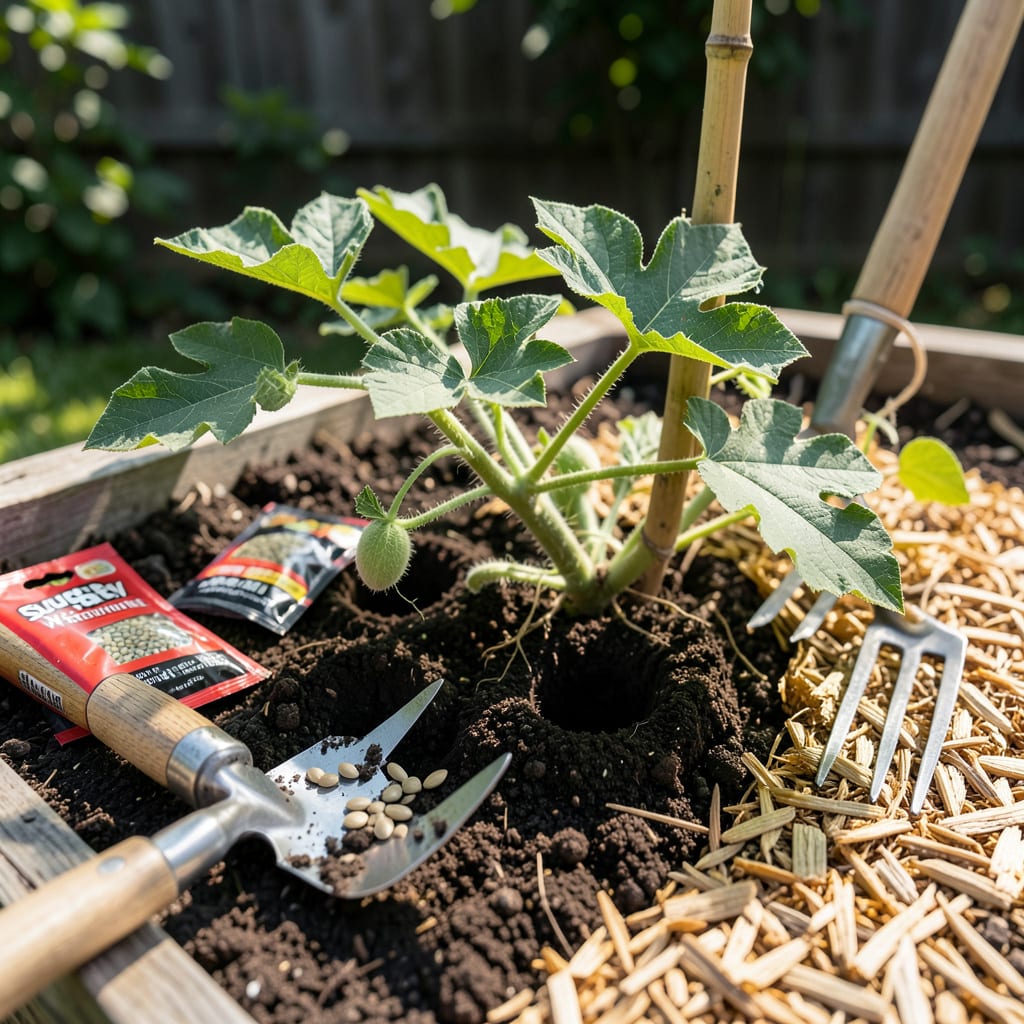
Nothing beats the taste of a homegrown 🍉 watermelon on a hot Tennessee summer day—but timing your planting wrong could leave you with a disappointing harvest. I’ve seen too many gardeners jump the gun in early spring, only to watch their seedlings struggle against unexpected late frosts.
The difference between a perfectly sweet watermelon and a lackluster one often comes down to just a few weeks. Let me show you exactly when to get those seeds in the ground across Tennessee’s varied climate zones—so you can enjoy juicy, sun-ripened fruit all season long.
If you’ve ever bitten into a store-bought watermelon and thought, “This could be sweeter,” you’re right—homegrown Tennessee watermelons are in a league of their own. But nailing the planting window is tricky because our state spans three distinct regions, each with its own microclimate quirks and frost dates.
Here’s the golden rule: Watermelons crave warm soil—at least 70°F—and won’t tolerate frost. In West Tennessee, you might sneak in an early-May planting, while East Tennessee’s higher elevations often need to wait until late May. Let’s break down the exact timing so you don’t gamble with your harvest.
| Region | Last Frost Date | Earliest Plant Date | Ideal Plant Window | Soil Temp Threshold | Days to Harvest |
|---|---|---|---|---|---|
| West TN (Memphis, Jackson) |
April 1 | April 15 | April 20 – May 10 | 70°F+ | 80–90 |
| Middle TN (Nashville, Murfreesboro) |
April 15 | April 25 | May 1 – May 15 | 70°F+ | 80–90 |
| East TN (Knoxville, Chattanooga) |
April 25 | May 5 | May 10 – May 25 | 72°F+ | 85–95 |
| Mountain Areas (Gatlinburg, Sevierville) |
May 10 | May 20 | May 25 – June 5 | 75°F+ | 90–100 |
Pro Tip: Use a soil thermometer—don’t guess! Cold soil (<65°F) stunts growth and invites disease.
West Tennessee’s warmer river valleys and longer growing season give you a 2-week head start compared to the mountains. If you’re in Memphis or Jackson, you can direct-sow seeds as early as mid-April—just keep row covers handy for surprise cold snaps. I’ve had great luck with ‘Sugar Baby’ in this region because it matures in just 75 days.
Middle Tennessee is the Goldilocks zone—not too early, not too late. Aim for May 1–15 to avoid late frosts while still giving vines enough time to sprawl. Here, ‘Crimson Sweet’ thrives thanks to its disease resistance, especially against the fusarium wilt that plagues our humid summers. Always plant in full sun (6–8 hours daily) and space vines 3–4 feet apart to prevent mildew.
East Tennessee’s cooler nights and elevation mean you’ll need to wait until mid-May for consistent warmth. Knoxville gardeners can push it to May 10, but if you’re in the Smokies, hold off until late May. I recommend starting seeds indoors 3–4 weeks early in peat pots to get a jumpstart. Use black plastic mulch to warm the soil faster—it can bump temperatures by 5–10°F.
For mountain areas, patience is key. The short season (often just 120 frost-free days) means you should choose fast-maturing varieties like ‘Golden Midget’ (70 days) or ‘Moon and Stars’ (85 days). Row covers are non-negotiable here—they’ll protect young plants and extend your season by 2–3 weeks. Remove them once flowers appear to allow pollinators access.
No matter where you are in Tennessee, soil prep makes or breaks your harvest. A week before planting, work in 2–3 inches of compost and a balanced fertilizer (10-10-10). Watermelons are heavy feeders—side-dress with a high-potassium fertilizer (like 5-10-10) when vines start running and again when fruits set. Mulch with straw to retain moisture and keep fruits clean.
Watch for squash vine borers and cucumber beetles, which are rampant in Tennessee. I swear by yellow sticky traps for beetles and floating row covers early in the season. If you spot wilting vines, slit the stem with a knife to remove borers—it’s gross but effective. Rotate crops yearly to prevent soil-borne diseases like anthracnose.
Finally, don’t forget the pollinators! Watermelons need bees to set fruit, so avoid pesticides during flowering. Plant borage or marigolds nearby to attract them. If you’re growing in a greenhouse or high tunnel, you’ll need to hand-pollinate with a small paintbrush—gently transfer pollen from male to female flowers in the morning.
By following these region-specific tips, you’ll be biting into juicy, homegrown watermelons by July or August. And if you want to stretch your harvest, try succession planting—sow a second crop in early July for a late-summer treat. Just be sure to choose a fast-maturing variety like ‘Bush Sugar Baby’ for fall harvests.
🌱Even experienced gardeners can sabotage their watermelon crop by making simple timing errors. I’ve watched neighbors plant too early in East Tennessee’s unpredictable springs, only to lose seedlings to a surprise frost. The key is patience—wait until soil temps hit 70°F consistently.
Another common blunder? Ignoring Tennessee’s regional microclimates. What works in Memphis’ humid river valleys won’t fly in the cooler Smoky Mountain foothills. Let’s break down the five biggest mistakes I see—and how to sidestep them for a bumper crop.
One mistake I made my first year was assuming all watermelons thrive in Tennessee’s heat. Turns out, ‘Sugar Baby’ varieties handle our humidity better than larger heirlooms. If you’re in West Tennessee, you can push planting dates 1–2 weeks earlier than the mountains.
Don’t forget about pest pressure—Tennessee’s warm summers invite squash vine borers and cucumber beetles. I lost half a crop before learning to use row covers early on. Remove them when flowers appear to allow pollination.
Watering mistakes are another silent killer. Many gardeners drown seedlings or let soil dry out during fruit swelling. The trick? Deep, infrequent watering—soak the soil to 6 inches deep every 3–4 days, then taper off as harvest nears.
Finally, resist the urge to harvest at first sight of green. A mature watermelon will have a dull thud when tapped and a yellow ground spot. In Tennessee’s climate, this usually happens 80–90 days after planting—mark your calendar!
By avoiding these missteps, you’ll be biting into juicy, homegrown watermelons all summer. Next up, let’s explore the best varieties that thrive in Tennessee’s unique growing conditions. 🌱
Not all watermelons are created equal when it comes to Tennessee’s humid summers and variable microclimates. After years of testing, I’ve found that some varieties thrive in our USDA Zones 6a–8a, while others struggle with disease or fail to ripen in time. The secret? Matching the right melon to your region’s growing season.
In West Tennessee, where summers are long and hot, you can grow larger heirlooms like ‘Charleston Gray’. But in the cooler mountain areas, you’ll want fast-maturing varieties like ‘Golden Midget’ (70 days) or ‘Sugar Baby’ (75 days). Let’s dive into the best picks for your corner of the state—and how to squeeze out an extra harvest.
For disease-prone areas like Middle Tennessee, ‘Crimson Sweet’ is my top pick. It resists fusarium wilt and anthracnose, two fungal nightmares in our humid summers. If you’re in West Tennessee, try ‘Jubilee’—it handles heat well and produces 25–30 lb fruits in just 90 days.
Want to extend your harvest? Use succession planting. Sow your first crop in late April (West TN) or mid-May (East TN), then plant a second round in early July with a fast variety like ‘Bush Sugar Baby’. Row covers can add 2–3 weeks to your season by trapping heat.
Don’t forget soil warming tricks! Black plastic mulch can boost soil temps by 5–10°F, helping seeds germinate faster. In cooler areas, start seeds indoors 3–4 weeks early in peat pots. Transplant carefully—watermelons hate root disturbance, so handle seedlings gently.
By choosing the right variety and using season-extending techniques, you’ll enjoy homegrown watermelons from July through September. Next, let’s talk about keeping pests at bay so your vines stay healthy and productive. 🌱
In West Tennessee (Memphis, Jackson), you can direct-sow seeds as early as mid-April if soil temps hit 70°F. Use row covers for surprise cold snaps.
Black plastic mulch boosts soil temps by 5–10°F. Lay it 2–3 weeks before planting. For faster results, try raised beds—they warm up quicker than ground soil.
Yes! Start seeds 3–4 weeks early in peat pots. Transplant carefully after last frost (around May 5 for Knoxville). Avoid root disturbance—watermelons hate it.
Choose fast-maturing varieties like ‘Golden Midget’ (70 days) or ‘Moon and Stars’ (85 days). They thrive in cooler climates with shorter seasons.
Use floating row covers or cloches until nighttime temps stay above 50°F. Remove covers during the day if temps exceed 80°F to prevent overheating.
