
Beautiful Plants For Your Interior
Beautiful Plants For Your Interior
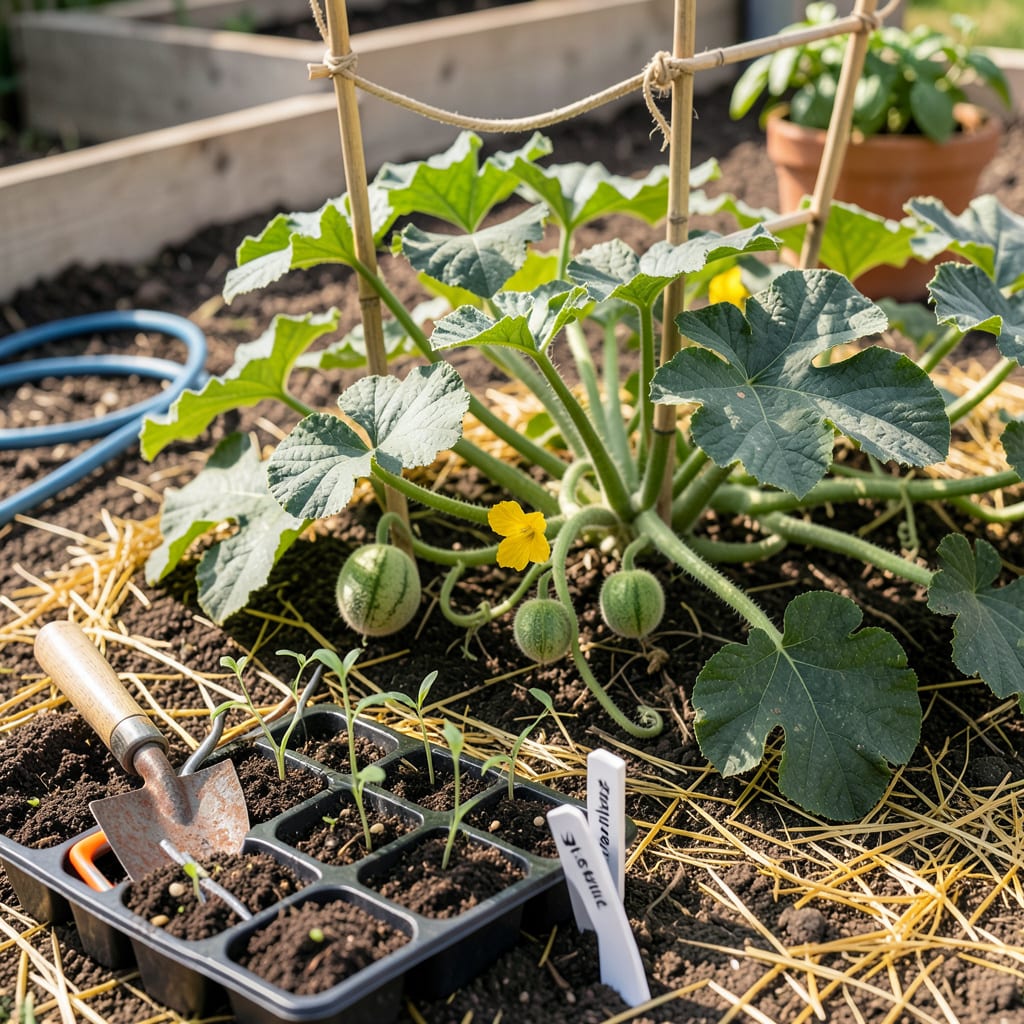
Oklahoma’s unpredictable springs can turn watermelon planting into a high-stakes gamble. Plant too soon, and a sneaky late frost could ruin your season before it starts. Wait too long, and you’ll be battling summer’s scorching heat—leaving your vines struggling to produce those sweet, juicy melons you’re dreaming of.
After years of testing (and a few failed harvests), I’ve nailed down the perfect window for Oklahoma growers. Whether you’re in the humid east or the wind-swept west, I’ll show you exactly when to get those seeds in the ground—and how to protect them from whatever Mother Nature throws your way this year.
If you’ve ever wondered why your neighbor’s watermelons thrive while yours struggle, the answer often comes down to timing and location. Oklahoma’s diverse climate means what works in Tulsa’s humid east won’t always fly in Guymon’s arid west. The key? Soil temps above 70°F and smart frost-date math.
I’ve broken down the ideal windows for Eastern, Central, and Western Oklahoma, accounting for microclimates like urban heat islands or river valleys. Whether you’re direct-seeding or transplanting, these dates will help you dodge late frosts and beat the summer heat wave. Let’s dig into the specifics.
| Region | Last Frost Date | Ideal Planting Window | Soil Temp Requirement | Notes |
|---|---|---|---|---|
| Eastern OK | April 1–10 | April 15–May 10 | 70°F+ (use black plastic) | High humidity = watch for powdery mildew. |
| Central OK | April 10–15 | April 20–May 15 | 70°F+ (test with thermometer) | Windbreaks help—plant near corn or sunflowers. |
| Western OK | April 15–20 | May 1–20 | 75°F+ (drought-prone) | Use drip irrigation; mulch heavily. |
In Eastern Oklahoma, the earlier window (mid-April) works thanks to higher humidity and slightly warmer nights. But don’t rush it—soil temps below 70°F will cause seeds to rot. I use a soil thermometer to check depths of 4–6 inches before planting.
For Central Oklahoma (think Oklahoma City or Stillwater), aim for late April to mid-May. This region’s wind and temperature swings mean you’ll want to harden off transplants for a week before setting them out. A floating row cover can add extra warmth if nights dip.
Out in Western Oklahoma, where drought and heat dominate, May planting is safest. The trade-off? You’ll need drought-tolerant varieties like ‘Black Diamond’ or ‘Jubilee’. I’ve had success with raised beds here—they warm faster and drain better than clay soil.
If you’re itching to start earlier, transplants (not direct-seeding) are your best bet. Begin seeds indoors 3–4 weeks before your last frost date. Use biodegradable pots to avoid root shock. Just remember: watermelons hate root disturbance, so handle with care!
For short-season areas (like the Panhandle), opt for fast-maturing varieties such as ‘Sugar Baby’ (75 days) or ‘Golden Midget’ (70 days). These can handle a late-May planting and still ripen before fall’s first frost. Pair them with plastic mulch to boost soil warmth.
Pro tip: Watch the 10-day forecast before planting. If nighttime temps will dip below 50°F, hold off. Watermelons thrive in warmth, and even a light frost can set them back weeks. When in doubt, row covers or cloches buy you a little extra time.
Finally, don’t forget soil prep. Oklahoma’s clay-heavy soil needs amending with compost or sand for proper drainage. A pH of 6.0–6.8 is ideal. Test yours with a kit from your local extension office—they’re free or low-cost and save headaches later!
By tailoring your planting date to your specific region and using these microclimate tweaks, you’ll set your watermelons up for a sweet, juicy harvest—without the gamble. Next up, let’s talk about the varieties that perform best in each corner of the state. 🌱
Even with perfect timing, a few common mistakes can derail your watermelon harvest. I’ve seen Oklahoma gardeners lose entire crops to preventable errors—like ignoring soil prep or misjudging spacing. Let’s tackle the top five pitfalls so you can sidestep them this season.
First up: skipping soil testing. Oklahoma’s clay-heavy soil is notorious for poor drainage and nutrient imbalances. Without amending it with compost or sand, your watermelon roots will suffocate or rot. A simple $10 test from your local extension office reveals exactly what your soil needs.
Another biggie: underestimating Oklahoma’s wind. Without protection, young vines can snap or suffer sandblasting in Western OK. I use burlap barriers or plant in low-lying areas near fences. Even a simple straw bale windbreak makes a difference.
Watering mistakes are just as deadly. Inconsistent moisture leads to blossom-end rot or cracked fruit. Aim for 1–2 inches per week, delivered at soil level (no overhead sprinklers!). In drought-prone areas, mulch with straw to retain moisture and keep roots cool.
Don’t forget about pest patrols. Oklahoma’s cucumber beetles and squash bugs love watermelon seedlings. I handpick pests early or use floating row covers until flowers appear. For organic control, neem oil sprays work well—just apply in the early morning to avoid leaf burn.
Finally, neglecting pollinators is a silent yield-killer. Watermelons need bees for pollination. Avoid pesticides during flowering, and plant pollinator-friendly flowers like marigolds nearby. If bees are scarce, you can hand-pollinate with a small paintbrush—just transfer pollen from male to female flowers.
By dodging these five mistakes, you’ll give your watermelons the best shot at thriving—no matter what Oklahoma’s weather throws at you. Next, let’s explore the best varieties for your specific region. 🌱
Not all watermelons thrive equally in Oklahoma’s diverse climates. The secret to a bumper crop? Matching the right variety to your region’s quirks—whether that’s Eastern OK’s humidity, Central OK’s wind, or Western OK’s drought. Let’s break down the top performers.
In Eastern Oklahoma, where humidity fuels powdery mildew, disease-resistant varieties shine. My go-to is ‘Crimson Sweet’ (85 days)—it handles moisture well and delivers classic sweetness. For smaller gardens, ‘Sugar Baby’ (75 days) fits perfectly and ripens fast.
| Region | Best Variety | Days to Maturity | Key Trait | Size |
|---|---|---|---|---|
| Eastern OK | Crimson Sweet | 85 days | Disease-resistant | 20–25 lbs |
| Central OK | Charleston Gray | 90 days | Wind-tolerant | 25–35 lbs |
| Western OK | Black Diamond | 95 days | Drought-resistant | 30–50 lbs |
| Short Season | Sugar Baby | 75 days | Early maturing | 8–12 lbs |
For Central Oklahoma, where wind and temperature swings rule, ‘Charleston Gray’ (90 days) is a rockstar. Its sturdy vines withstand gusts, and the oblong shape makes it easier to harvest. If space is tight, ‘Golden Midget’ (70 days) packs sweet flavor into a compact 3–5 lb package.
Out west, drought is the biggest challenge. That’s where ‘Black Diamond’ (95 days) earns its stripes—its thick rind resists cracking in dry heat. Another winner: ‘Jubilee’ (90 days), which holds moisture well and stores longer post-harvest. Both need deep watering (1–2 inches weekly) and heavy mulch.
Got a short growing season? ‘Sugar Baby’ (75 days) and ‘Golden Midget’ (70 days) are your best bets. These smaller melons ripen fast and fit well in raised beds or containers. Pair them with black plastic mulch to speed soil warming by 2–3 weeks.
Pro tip: Source seeds from local Oklahoma nurseries or trusted online suppliers like Baker Creek or Southern Exposure. They often carry varieties tested in our climate. And don’t forget to save seeds from your best melons—over time, they’ll adapt to your microclimate! 🌱
Watermelon seeds need soil temps above 70°F to germinate properly. In cooler regions like Eastern Oklahoma, use black plastic mulch to warm the soil faster. Always check with a thermometer at 4–6 inches deep before planting.
Yes, but handle with care! Start seeds 3–4 weeks before your last frost in biodegradable pots to avoid root shock. Watermelons dislike transplanting, so harden off seedlings for a week before moving them outside.
Use floating row covers or cloches to shield plants if temps dip below 50°F. In windy areas, secure covers with bricks or stakes. Remove them during the day to prevent overheating and allow pollinators access.
For Western Oklahoma, try ‘Black Diamond’ or ‘Jubilee’—both have thick rinds that resist cracking. Pair them with drip irrigation and heavy mulch to conserve moisture. These varieties need 90–95 days to mature.
Overcrowding! Watermelon vines need 10+ feet of space to sprawl. Planting too close leads to poor air circulation, disease, and smaller fruit. If space is tight, try compact varieties like ‘Sugar Baby’ or use trellises.
