
Beautiful Plants For Your Interior
Beautiful Plants For Your Interior
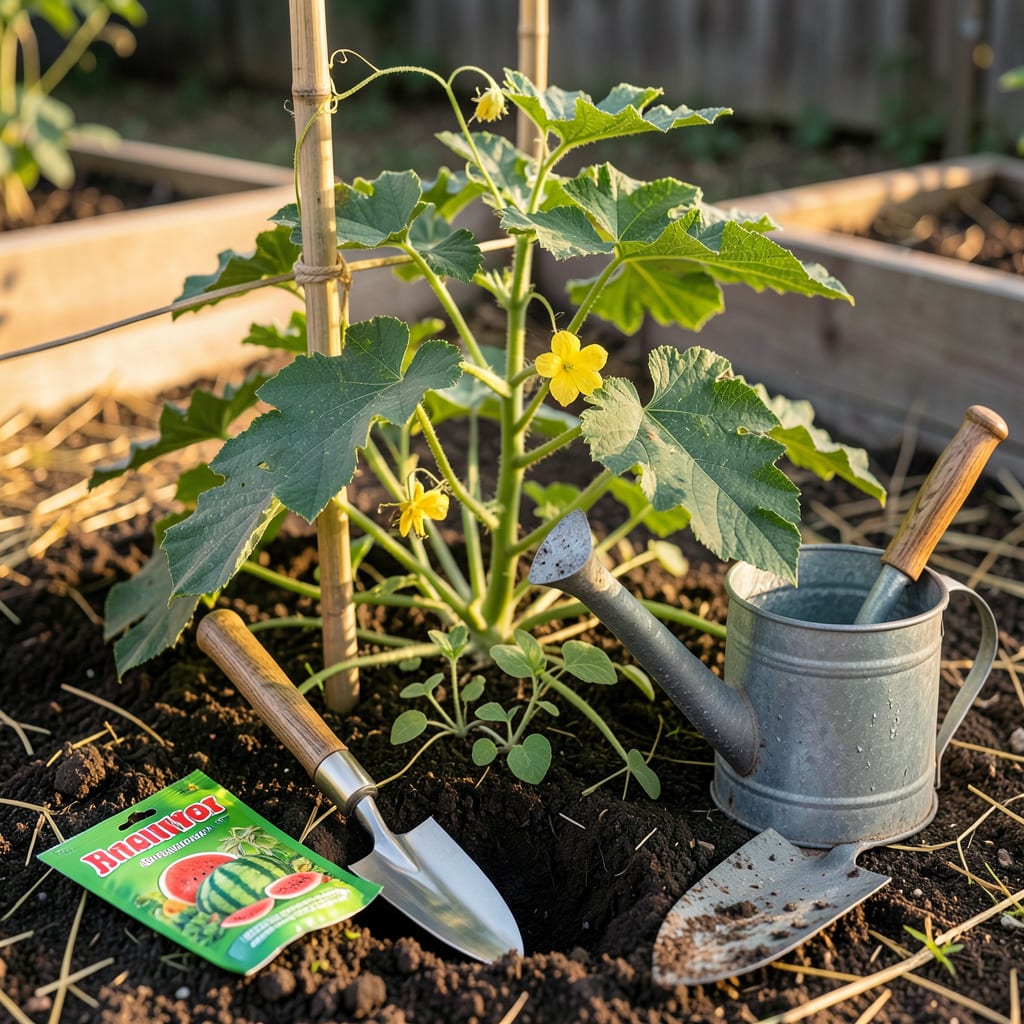
Nothing beats the taste of a homegrown 🍉 watermelon—juicy, sweet, and bursting with summer flavor. But in Missouri, timing your planting wrong could mean the difference between a bumper crop and a disappointing harvest.
I’ve seen gardeners struggle when they plant too early and lose seedlings to late frosts, or wait too long and miss the prime growing window. Let me show you exactly when to get those seeds in the ground for the perfect Missouri harvest—no guesswork required.
If you’re dreaming of sweet, juicy watermelons this summer, timing is your secret weapon. Missouri’s climate varies dramatically from north to south, meaning your planting date isn’t one-size-fits-all. I’ve seen gardeners in St. Louis plant weeks before those in Kansas City—and it makes all the difference.
The key? Soil temperature—watermelons refuse to grow until the soil hits 70°F or warmer. In Missouri, that typically happens between late April in the south and late May up north. But don’t guess—let’s break it down by region so you nail your timing.
| Region | USDA Zone | Planting Window | Last Frost Date | Soil Temp Ready |
|---|---|---|---|---|
| Southern MO (Springfield, Branson) | 6b-7a | April 20 – May 10 | April 15 | Mid-April |
| Central MO (Columbia, Jefferson City) | 6a-6b | May 1 – May 20 | April 30 | Early May |
| Northern MO (Kansas City, St. Joseph) | 5b-6a | May 15 – June 1 | May 5 | Late May |
Pro Tip: Use a soil thermometer to confirm temps—don’t rely on air temperature alone! ☀️
In Southern Missouri, you can often sneak in an early April planting if you’re using black plastic mulch to warm the soil. I’ve had great success with this trick in Springfield, where the soil heats up faster than the air. Just keep row covers handy for surprise cold snaps.
For Central Missouri gardeners, Mother’s Day weekend is your sweet spot. By mid-May, the soil in Columbia or Sedalia is usually warm enough, but I always check the 10-day forecast first. A late frost isn’t unheard of here, and watermelons won’t tolerate temperatures below 50°F.
Up in Northern Missouri, patience pays off. Waiting until late May might feel agonizing, but it’s worth it. I’ve seen Kansas City gardeners lose entire plantings to a May 10 frost. If you’re itching to start earlier, try indoor seed starting 3-4 weeks before transplanting—just be gentle with those tender roots!
Urban gardeners, take note: St. Louis and Kansas City can run 5-10°F warmer than surrounding rural areas thanks to the heat island effect. If you’re gardening in the city, you might plant 1 week earlier than the regional guidelines. But don’t push it—watermelons need consistent warmth, not just a few hot days.
No matter where you are in Missouri, soil prep is non-negotiable. Watermelons crave loose, well-draining soil with plenty of organic matter. I mix in aged compost and a handful of balanced fertilizer (like 10-10-10) before planting. If your soil is heavy clay—common in parts of Missouri—consider raised beds or mounds to improve drainage.
Finally, here’s my golden rule: Watermelons need 80-90 days of warm weather to mature. Count backward from your first expected frost (around October 15 for most of Missouri) to pick your latest planting date. In Southern Missouri, you might squeeze in a second planting in early July for a late summer harvest!
Still unsure? Grab a soil thermometer—they’re cheap and take the guesswork out of planting. When that needle hits 70°F at 4 inches deep, it’s go time. Trust me, your future self will thank you when you’re biting into the sweetest watermelon you’ve ever grown. 🌱
You’ve picked your perfect planting date, but before you drop those seeds, your soil needs to pass the test. Missouri’s clay-heavy soils and unpredictable springs can trick even experienced gardeners. I’ve learned the hard way—rushing leads to rot, and waiting too long means stunted vines.
Watermelons demand warm, loose, nutrient-rich soil to thrive. Don’t just rely on the calendar—your soil will tell you when it’s truly ready. Here’s how to read the signs like a pro, plus quick fixes for common Missouri soil problems like compaction or poor drainage.
Missouri Pro Tip: If your soil fails the crumble test, try raised beds or sand amendments to improve drainage.
In Southern Missouri, our heavier clay soils often stay cold and wet longer. I combat this by covering beds with black plastic 2-3 weeks before planting. This warms the soil 10°F faster than bare ground—critical for early plantings in Springfield or Branson.
For Central Missouri gardeners, watch for standing water after rain. If puddles linger more than 6 hours, your soil’s too compacted. Try planting in mounds (12-18″ wide) to improve drainage. I’ve saved countless vines this way in Columbia’s unpredictable springs.
Northern Missouri’s cooler soils benefit from a pre-planting fertilizer boost. I use a 5-10-10 blend (1 cup per 100 sq ft) worked into the top 6″ of soil. This gives seeds the phosphorus kick they need for strong root development in Kansas City’s slower-to-warm earth.
Here’s my secret weapon for clay soil: gypsum. Sprinkle 1 lb per 100 sq ft and work it in a week before planting. It breaks up clay without altering pH—perfect for Missouri’s tight, sticky soils. Pair it with compost for best results.
Remember, watermelons hate wet feet. If your soil stays soggy, consider container gardening in 5-gallon buckets with drainage holes. I’ve grown ‘Sugar Baby’ varieties this way on my St. Louis patio—just ensure containers get full sun and consistent water.
Still unsure? Perform the “ball test”: Roll soil into a ball. If it holds shape, it’s too wet. If it falls apart, you’re good to plant. Missouri’s finicky springs demand this extra step—but your reward will be the juiciest watermelons on the block! 🌱
Even with perfect timing, Missouri gardeners can still sabotage their watermelon harvest with avoidable errors. I’ve seen heartbreaking losses from late frosts, overwatering, and poor spacing—but the good news? These mistakes are 100% preventable with the right know-how.
Missouri’s humid summers and unpredictable springs create unique challenges. The difference between a thriving vine and a failed crop often comes down to avoiding these three critical pitfalls. Let’s dive into what not to do—and how to fix it if you slip up.
Recovery Tip: If you’ve overwatered, stop watering for 3-5 days and let soil dry slightly.
In Northern Missouri, I’ve lost count of how many gardeners jump the gun in early May, only to lose seedlings to a surprise frost. The fix? Wait until soil temps hit 70°F and the 10-day forecast shows no dips below 50°F. If you must plant early, use wall-o-water protectors or cloches at night.
Central Missouri’s biggest enemy is overwatering. Our clay soils hold moisture longer than you’d think. I check soil moisture by sticking my finger 2 inches deep—if it’s damp, skip watering. During July’s heat, a deep soak 2x weekly beats daily light watering, which encourages shallow roots.
Down in Southern Missouri, poor spacing is the top yield-killer. Watermelon vines need room to roam—I give mine 5 feet between plants and 8 feet between rows. If space is tight, train vines vertically on sturdy trellises (use slings for fruit support). This also improves airflow, cutting fungal disease risk in our humid climate.
Here’s my emergency fix for crowded plants: Prune aggressively. Remove every other lateral vine to open airflow. It feels drastic, but I’ve rescued many a planting this way in Springfield’s damp summers. Pair pruning with a copper fungicide spray if mildew appears.
Remember, Missouri’s variable rainfall means you must adjust care weekly. Keep a gardening journal to track watering, pests, and growth. I note when I see first flowers (usually 6 weeks after planting) to predict harvest. Your reward? The sweetest, crispiest watermelons your neighbors will envy! 🌱
Wait until May 15 for Kansas City and St. Joseph areas. Soil temps rarely hit 70°F before then, and late frosts can strike. Use row covers if planting earlier.
Yes, but handle with care! Start seeds 3-4 weeks before transplanting. Use biodegradable pots to avoid root shock. Harden off seedlings for 7 days before moving outside.
Use a soil thermometer at 4-inch depth. Wait for 3 consecutive days at 70°F+. Morning readings are most accurate.
Count backward 90 days from your first frost (October 15 for most areas). In Southern MO, you can plant as late as early July for a fall crop.
It warms soil 10°F faster than bare ground. Perfect for Northern MO gardeners. Remove it once vines spread to prevent overheating.
