
Beautiful Plants For Your Interior
Beautiful Plants For Your Interior
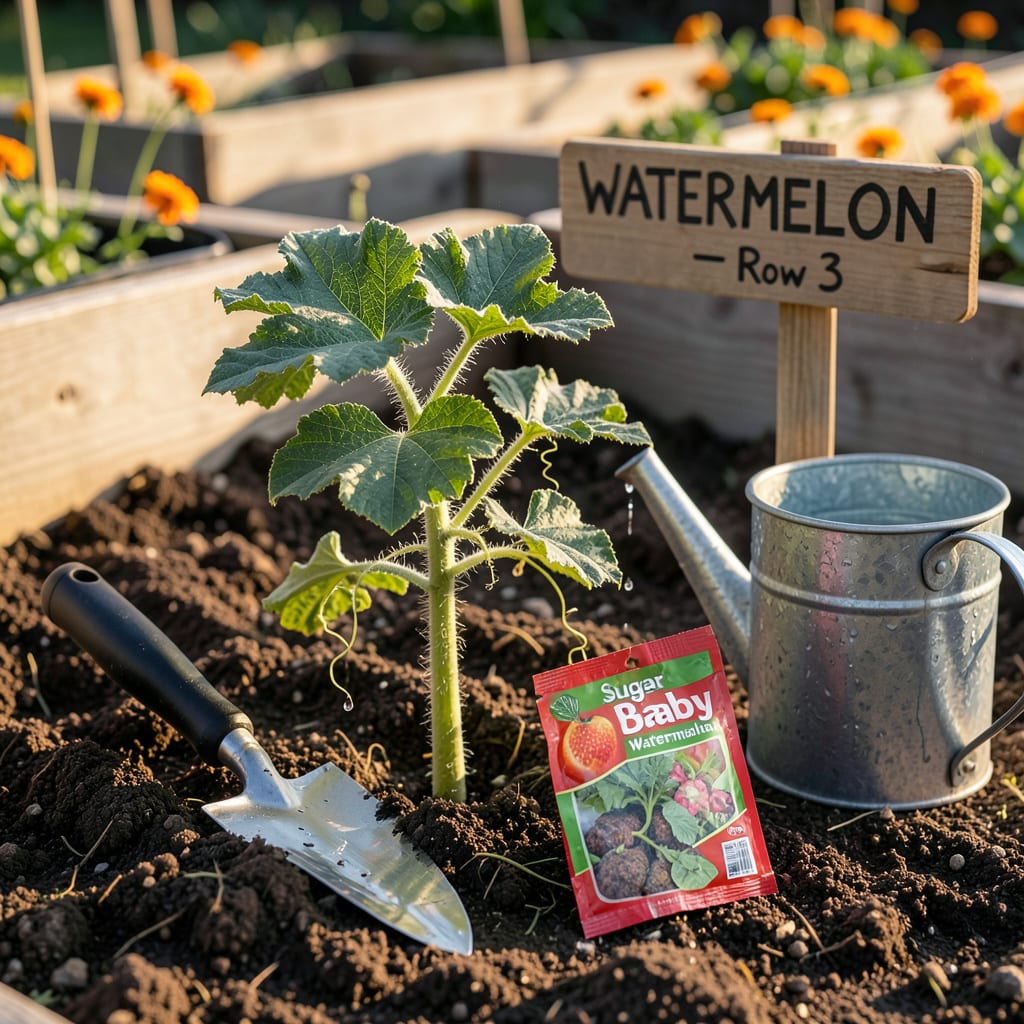
Nothing beats the taste of a homegrown Kentucky watermelon—juicy, sweet, and bursting with flavor. But here’s the catch: plant too early, and frost will wipe out your crop; wait too long, and you’ll miss the prime growing window. Timing is everything when you’re aiming for that perfect harvest.
After years of testing and tweaking, I’ve nailed down the ideal planting schedule for Zone 6 gardeners. Whether you’re in Louisville or Lexington, I’ll show you exactly when to get those seeds in the ground for the sweetest, most abundant 🍉 of the season. Let’s get started.
If you’re dreaming of biting into a juicy, homegrown watermelon this summer, timing your planting is everything in Kentucky’s Zone 6 climate. Our state’s last frost date typically falls between April 15 and May 1, but don’t rush—watermelons crave warm soil (70°F+) to thrive.
Plant too early, and a late frost could wipe out your seedlings. Wait too long, and your melons won’t mature before fall’s first chill. For most of Kentucky, the sweet spot is late May to early June for direct sowing. But if you’re eager, you can start seeds indoors 3–4 weeks earlier.
| Planting Stage | Kentucky Zone 6 Timing | Key Notes |
|---|---|---|
| Start seeds indoors | Mid-April to early May | Use peat pots for easy transplanting; keep soil at 75°F for germination. |
| Direct sow outdoors | Late May to early June | Wait until soil temp hits 70°F—use a soil thermometer to check. |
| Transplant seedlings | Early to mid-June | Harden off plants for 1 week before moving to the garden. |
| Last safe planting | Late June | Planting later risks smaller fruits or no harvest before frost. |
| Harvest window | July to September | Most varieties need 80–100 days to mature; watch for brown tendrils. |
Kentucky’s humid summers and warm nights are perfect for watermelons, but regional differences matter. In western Kentucky, you might plant a week earlier than in the eastern mountains, where cooler nights linger. Always check your local frost dates—some areas near the Ohio River see frost later than Louisville or Lexington.
For the sweetest melons, focus on soil temperature over calendar dates. I use a cheap soil thermometer to confirm my garden beds are consistently 70°F or warmer at a 4-inch depth. If your soil is still cool, black plastic mulch can help warm it up faster by 5–10°F.
If you’re direct sowing, plant 3–4 seeds in hills spaced 3–4 feet apart, then thin to the strongest 1–2 plants per hill. For transplants, space them 2–3 feet apart in rows 6 feet apart—watermelon vines spread aggressively, often 6–10 feet long!
Watermelons need full sun (6–8+ hours daily) and well-draining soil with a pH of 6.0–6.8. Before planting, I work in 2–3 inches of compost or aged manure to boost fertility. Avoid heavy clay? Raise your beds or amend with sand and organic matter to improve drainage.
Kentucky’s unpredictable spring weather means you might face a late frost even in May. If a cold snap threatens after planting, cover seedlings with frost blankets or plastic cloches overnight. Remove covers by 10 AM to prevent overheating and ensure bees can pollinate flowers later.
For earlier harvests, start seeds indoors 3–4 weeks before your last frost date. Use biodegradable pots to avoid disturbing roots during transplanting. Keep seedlings under grow lights for 14–16 hours/day and maintain soil temps at 75–80°F for fastest germination (usually 5–10 days).
Remember, watermelons are heat-lovers. If your garden stays below 60°F at night, growth will stall. In cooler Kentucky microclimates (like the Appalachian foothills), consider short-season varieties like ‘Sugar Baby’ (75 days) or ‘Golden Midget’ (70 days) to beat the frost.
Once planted, water deeply 1–2 times per week, providing 1–2 inches of water total (including rain). Reduce watering as fruits near harvest to concentrate sugars, but don’t let vines wilt. Mulch with straw or grass clippings to retain moisture and suppress weeds.
By following this Kentucky-tailored schedule, you’ll be harvesting sweet, crisp watermelons by mid-July. Keep an eye on the tendrils near the fruit—when they turn brown and dry, your melon is ready! 🌱
Even with perfect timing, a few common mistakes can derail your Kentucky watermelon crop. I’ve seen gardeners lose entire plants to cold soil, poor spacing, or pollination failures—all avoidable with the right know-how. Let’s tackle the top three pitfalls and how to sidestep them.
First up: planting in cold soil. Watermelons need soil temps above 70°F to germinate and grow. If you rush and plant when soil is below 60°F, seeds may rot or seedlings stall. Always use a soil thermometer—don’t guess! 🌡️
Another big issue: overcrowding vines. Watermelon plants spread 6–10 feet, and cramming them together invites powdery mildew and poor fruit set. I space my hills 4 feet apart and thin to one plant per hill for optimal airflow. If space is tight, try bush varieties like ‘Bush Sugar Baby.’
Kentucky’s humid summers make disease prevention critical. Powdery mildew and fusarium wilt thrive in crowded, damp conditions. To combat this, I water at the base (never overhead) and mulch with straw to keep leaves dry. A weekly spray of neem oil can also help if mildew appears.
Pollination problems are a silent yield-killer. Watermelons need bees to transfer pollen from male to female flowers. If you notice flowers dropping without fruiting, your garden may lack pollinators. Plant bee-friendly flowers like marigolds or borage nearby, or hand-pollinate by gently brushing flowers with a paintbrush.
Avoid overwatering as fruits mature—it dilutes flavor! Once melons reach softball size, cut back to 1 inch of water weekly (including rain). This stresses the plant just enough to concentrate sugars. Use drip irrigation to deliver water directly to roots and keep foliage dry.
Finally, don’t forget to rotate crops. Planting watermelons in the same spot yearly invites soil-borne diseases. I follow a 3-year rotation: watermelons → beans → tomatoes. If space is limited, solarize the soil with clear plastic for 4–6 weeks before replanting to kill pathogens. 🌱
Not all watermelons thrive equally in Kentucky’s 120–140-day growing season. Choosing the right variety can mean the difference between a bountiful harvest and a disappointing yield. I’ve tested dozens over the years, and these are the top performers for our climate.
For early harvests, you can’t beat ‘Sugar Baby’ (75 days). This compact, round melon delivers intensely sweet flesh and fits perfectly in smaller gardens. It’s also disease-resistant, making it ideal for Kentucky’s humid summers. 🌱
| Variety | Days to Maturity | Fruit Size | Best For | Disease Resistance |
|---|---|---|---|---|
| Sugar Baby | 75 days | 8–10 lbs | Small gardens, early harvests | Anthracnose, fusarium wilt |
| Crimson Sweet | 85 days | 20–25 lbs | Classic flavor, market growers | High resistance to common diseases |
| Moon and Stars | 90 days | 25–40 lbs | Heirloom lovers, large families | Moderate resistance |
| Golden Midget | 70 days | 3–5 lbs | Short seasons, container growing | Good resistance to mildew |
If you’re after a classic, large watermelon, ‘Crimson Sweet’ (85 days) is my go-to. It produces 20–25 lb fruits with deep red, crisp flesh and thrives in Kentucky’s heat. Its thick rind also makes it more resistant to cracking during heavy rains.
For heirloom enthusiasts, ‘Moon and Stars’ (90 days) is a showstopper. This variety features a dark green rind speckled with yellow “moons” and “stars”. While it needs a longer season, the rich, sweet flavor is worth the wait. In cooler Kentucky regions, start these indoors to ensure maturity.
Gardeners with limited space or short seasons should try ‘Golden Midget’ (70 days). This petite variety produces 3–5 lb fruits with golden-yellow flesh. It’s perfect for containers or small raised beds, and its early maturity helps avoid frost risks in the mountains. ☀️
No matter which variety you choose, remember that Kentucky’s humidity can encourage foliar diseases. Opt for disease-resistant varieties like ‘Crimson Sweet’ or ‘Sugar Baby’ if your garden has had issues in the past. Always rotate crops and space plants properly to improve airflow and reduce disease pressure.
You can start seeds indoors as early as mid-April in most of Kentucky. Use peat pots or biodegradable containers to avoid root disturbance later. Keep soil warm (75–80°F) for best germination, which usually takes 5–10 days.
Use a soil thermometer to check temperatures at a 4-inch depth. Watermelons need consistent 70°F+ to thrive. If your soil is cooler, try black plastic mulch to warm it up faster—it can boost temps by 5–10°F.
Yes, but choose compact varieties like ‘Golden Midget’ or ‘Bush Sugar Baby.’ Use a 5-gallon container minimum per plant, with drainage holes. Place in full sun (6–8+ hours) and water daily—containers dry out faster than garden beds.
Cover seedlings with frost blankets or plastic cloches overnight. Remove covers by 10 AM to prevent overheating. If frost damage occurs, trim dead foliage—healthy plants often recover if roots remain intact.
Space plants 3–5 feet apart in rows 6 feet apart. Vines spread 6–10 feet, so give them room! For hills, plant 3–4 seeds per hill, then thin to the strongest 1–2 plants once they sprout.
