
Beautiful Plants For Your Interior
Beautiful Plants For Your Interior
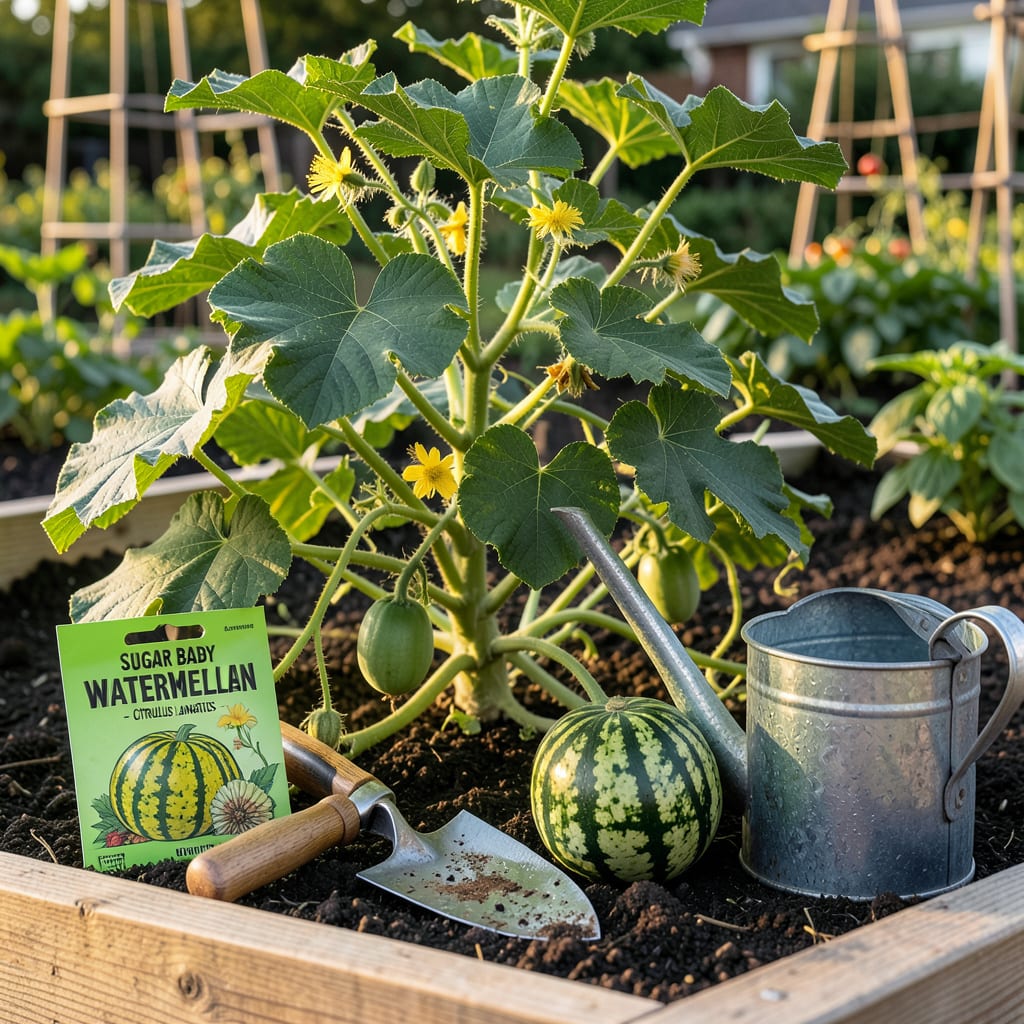
Nothing beats the taste of a homegrown Georgia watermelon—juicy, sweet, and bursting with summer flavor. But here’s the catch: timing your planting wrong could mean a disappointing harvest or no fruit at all.
I’ve seen gardeners in Zone 8a struggle with this exact issue, planting too early and losing seedlings to late frosts. Let me show you the perfect window to get those vines thriving—so you can enjoy that first crisp bite by July. The secret starts with your soil temperature.
If you’re dreaming of biting into a homegrown Georgia watermelon this summer, timing your planting is everything. Our state’s diverse climate—from the cooler mountains up north to the warmer coastal plains—means planting dates can vary by 3-4 weeks depending on where you live.
I always tell gardeners to watch two critical markers: your last frost date and soil temperature. In most of Georgia, watermelons thrive when planted 2-3 weeks after the last frost, once soil hits a consistent 70°F. That’s when seeds germinate fastest and vines grow strongest. 🌱
| Region | USDA Zone | Last Frost Date | Ideal Planting Window | Variety Recommendation |
|---|---|---|---|---|
| North Georgia (Mountains) | 7a-7b | April 10–20 | Late April–May 10 | Sugar Baby (75 days) |
| Central Georgia (Piedmont) | 8a | March 25–April 5 | Mid-April–May 1 | Crimson Sweet (85 days) |
| South Georgia (Coastal Plain) | 8b-9a | March 10–20 | Late March–April 15 | Charleston Gray (90 days) |
🌡️ Soil temp must be ≥70°F at 4″ depth. Use black plastic mulch to warm soil faster in cooler zones.
For North Georgia gardeners, patience is key. I’ve seen many eager growers plant in early April, only to lose seedlings to a surprise frost. Wait until soil temps stay above 70°F for at least a week. A soil thermometer is your best friend here—don’t guess!
In Central Georgia, you’ve got more flexibility. I like to stagger plantings every 2 weeks from mid-April through early May. This extends your harvest window, so you’re not overwhelmed with ripe melons all at once. Just be sure to rotate planting spots yearly to prevent disease buildup. ☀️
Down in South Georgia, you can start even earlier—sometimes as soon as late March if the weather cooperates. But watch out for late-season hurricanes in fall. I recommend planting your last succession by July 1 to ensure fruit matures before storm season hits.
Here’s a pro tip I swear by: Use transplants if you’re running late. Start seeds indoors 3-4 weeks before your planned outdoor planting date. This gives you a head start, especially useful in shorter-season areas. Just be gentle when transplanting—watermelons hate root disturbance!
Don’t forget about succession planting for continuous harvests. In most of Georgia, you can plant a second crop in early July for a late summer/early fall harvest. I’ve had great success with this in Zone 8a, using fast-maturing varieties like ‘Bush Sugar Baby’. 🪴
If you’re in a urban area with microclimates (like Atlanta), pay attention to your specific conditions. Concrete and asphalt can create heat islands, allowing earlier planting. Use a soil thermometer to be sure—don’t rely solely on calendar dates!
Remember, these dates are guidelines. Always check your local weather forecast and soil conditions. I’ve had years where I planted early thanks to a warm spring, and other years where I waited until May. The reward—a perfectly ripe, homegrown watermelon—is worth the careful planning!
Getting your watermelon seeds in the ground at the right time is just the start. I’ve learned the hard way that Georgia’s humid summers and clay-heavy soils can make or break your harvest. Even with perfect timing, neglecting these three factors can leave you with small, bland fruit—or worse, no fruit at all.
The first game-changer? Soil temperature. Watermelons refuse to germinate in cold dirt—70°F is the magic number. I use a simple soil thermometer to check depths of 2–4 inches before planting. If you’re in North Georgia, that might mean waiting until late April, while coastal gardeners can often plant earlier.
Next up: watering discipline. Overwatering is the #1 mistake I see in Georgia gardens. Watermelons need 1–2 inches per week, but only until fruit sets. Once melons form, cut back water to concentrate sugars—this is how you get that classic sweet crunch. Use mulch to retain moisture and keep roots cool.
Don’t overlook spacing either. Crowded vines compete for nutrients and airflow, inviting powdery mildew. I plant seeds in hills (3–4 seeds per mound, thinned to 2 plants) with 5–6 feet between hills. For smaller gardens, try bush varieties like ‘Bush Sugar Baby’ on a trellis—just support the fruit with slings!
Finally, pest patrol is non-negotiable. Georgia’s humidity attracts cucumber beetles and squash vine borers. I swear by row covers early on, then switch to neem oil sprays once flowers appear. Yellow sticky traps can also help monitor beetle activity before it becomes an infestation.
Here’s my pro tip: Test your soil pH before planting. Watermelons thrive in 6.0–6.8 range. If your soil is too acidic (common in Georgia’s Piedmont region), a sprinkle of lime can work wonders. Pair this with a balanced fertilizer (10-10-10) at planting, then switch to low-nitrogen once vines start running.
Remember, even the best-laid plans can go awry if you ignore these basics. I’ve rescued many a struggling watermelon patch by adjusting water, improving drainage, or swapping to a more heat-tolerant variety. Your reward? That first thump of a ripe melon in July—worth every bit of effort! 🌱
Growing watermelons in Georgia isn’t just about picking the right planting date—it’s about staying ahead of the season. I’ve found that breaking the process into monthly tasks keeps my vines healthy and my harvests bountiful. Let me walk you through exactly what to do and when, from winter prep to that first sweet bite.
Start your watermelon journey in February–March with soil preparation. This is when I test my soil pH (aim for 6.0–6.8) and work in 2–3 inches of compost. If you’re in South Georgia, you can even start seeds indoors in late February for an early jump. Just remember: watermelons hate cold roots! 🌱
April–May: Plant seeds when soil reaches 70°F. Use black plastic to warm soil faster in cooler zones.
June: Monitor vines for pests. Apply mulch to retain moisture as temps rise.
July–August: Reduce watering as fruit matures to concentrate sugars. Harvest when tendrils turn brown!
💡 Pro Tip: Mark your calendar for a second planting around July 1 for a fall harvest in most zones.
Once April arrives, it’s go time! Plant seeds 1 inch deep in hills, spacing them 5–6 feet apart. I always plant 3–4 seeds per hill and thin to the strongest 2 plants later. In Central Georgia, mid-April is perfect, while North Georgia gardeners should wait until late April. Use a soil thermometer—don’t guess!
By June, your vines should be running wild. This is when I switch to drip irrigation to keep leaves dry and prevent mildew. Watch for cucumber beetles—they love young watermelon plants. A light spray of neem oil in the evening works wonders. As flowers appear, consider hand-pollinating if you notice poor fruit set.
The magic happens in July and August. As melons form, cut back on water to sweeten the fruit. I check for ripeness by looking for a dull rind and dried tendril near the stem. The “thump test” works too—a ripe melon sounds hollow when tapped. Harvest in the morning for the best flavor, and enjoy the fruits of your careful timing! ☀️
Planting before soil reaches 70°F risks seed rot or frost damage. Even if seedlings survive, cold stress weakens plants and delays growth. In Zone 7a, wait until late April when nights stay above 50°F consistently.
Yes, but choose bush varieties like ‘Bush Sugar Baby’ and use 5-gallon containers minimum. Ensure full sun and support vines with a trellis. Container-grown melons need daily watering in summer—mulch helps retain moisture.
Use a soil thermometer at 4-inch depth—readings should stay above 70°F for 3+ days. Morning readings matter most. In Central Georgia, this typically happens mid-April; coastal areas warm up 2-3 weeks earlier.
For most of Georgia, plant by July 1 using fast-maturing varieties (75 days or less). South Georgia gardeners can push to July 15. Reduce water as fruit matures to boost sweetness before cooler nights arrive.
Poor pollination is usually the culprit. Georgia’s humidity can make pollen sticky. Try hand-pollinating with a paintbrush in mornings, or plant pollinator-friendly flowers nearby. Avoid pesticides during bloom—bees are essential!
