
Beautiful Plants For Your Interior
Beautiful Plants For Your Interior
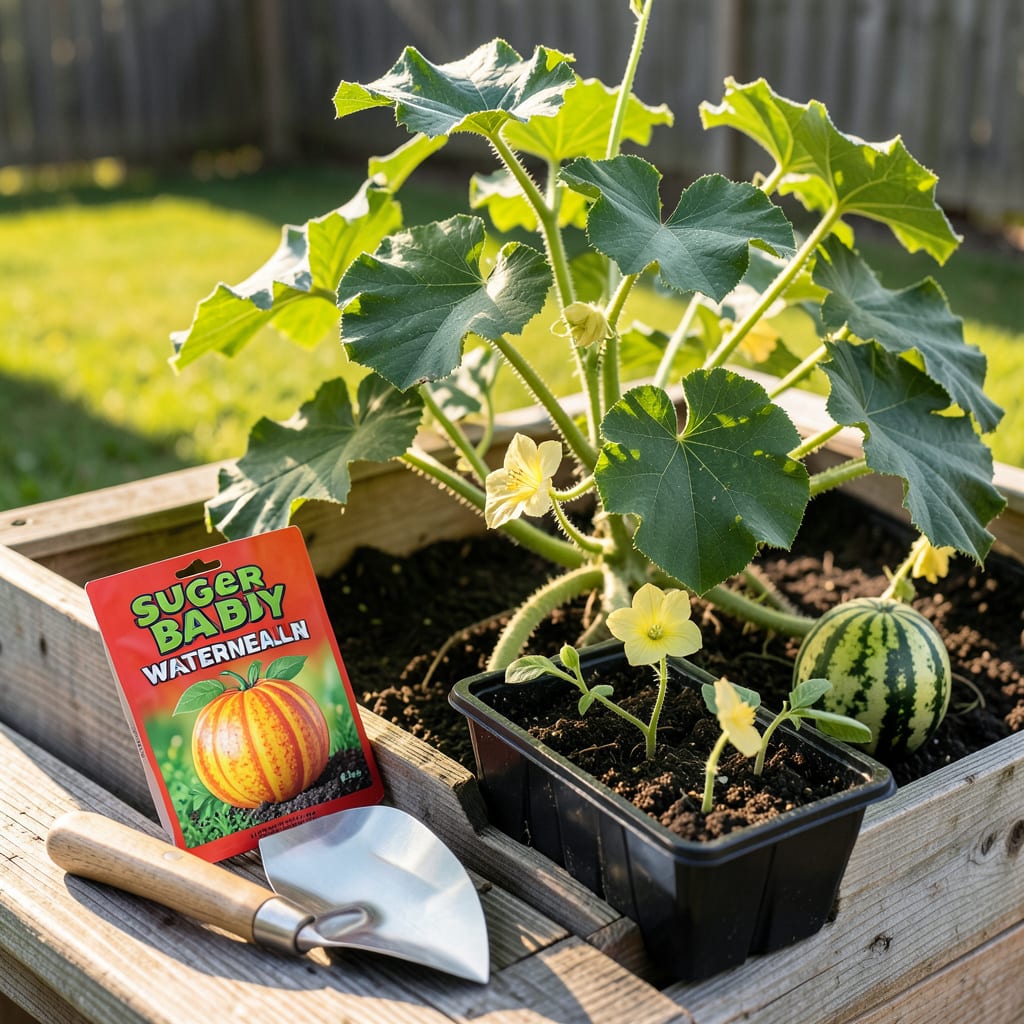
There’s nothing quite like biting into a juicy, homegrown watermelon—but timing your planting wrong in California can leave you with lackluster results. From coastal fog to inland heat waves, our state’s microclimates demand precision.
I’ve tested the perfect planting windows across zones, and the difference between a thriving vine and a disappointing harvest often comes down to just a few weeks. Let’s cut through the guesswork so you can grow the sweetest 🍉 this season.
California’s diverse microclimates mean there’s no one-size-fits-all answer for planting watermelons. In coastal areas like San Diego or Santa Barbara, you can start as early as late February, while inland valleys (Sacramento, Fresno) need to wait until mid-March to avoid surprise frosts.
The key factor isn’t just air temperature—it’s soil warmth. Watermelon seeds won’t germinate until soil hits 70°F. I’ve found that using a soil thermometer takes the guesswork out of timing. Coastal gardeners can use black plastic mulch to speed up warming by 2-3 weeks.
| Region | Ideal Planting Window | Soil Prep Tip |
|---|---|---|
| Coastal (Zones 9-10) | Late Feb–March | Use black plastic mulch |
| Inland Valleys (Zones 8-9) | Mid-March–April | Test soil temp at 2″ depth |
| Desert (Zone 10) | Feb–early March | Plant in partial shade |
| Mountains (Zones 7-8) | Late April–May | Use row covers for warmth |
Note: All dates assume last frost has passed. Verify with your local UC Master Gardener Program for hyper-local advice.
In desert regions like Palm Springs, you’ll want to plant earlier (February) but provide afternoon shade to prevent sunburn on leaves. The Central Valley’s hot summers allow for successive plantings through early June, but I’ve found the March-April window yields the sweetest fruit.
For mountain gardeners in Lake Tahoe or Big Bear, patience is key. Wait until soil temps stabilize above 65°F—usually late April or May. I use raised beds with dark-colored sides to absorb heat faster in these cooler zones.
Don’t forget about days to maturity when selecting varieties. In shorter-season areas, opt for ‘Sugar Baby’ (75 days) or ‘Golden Midget’ (70 days). Coastal gardeners can experiment with larger varieties like ‘Crimson Sweet’ (85 days) thanks to their extended growing window.
A pro tip I swear by: Start seeds indoors 3-4 weeks before your last frost date if you’re in a cooler zone. Use peat pots to minimize transplant shock. Just be sure to harden off seedlings by exposing them to outdoor conditions for 1 hour/day, gradually increasing time over a week.
Remember that microclimates can vary dramatically even within the same city. I’ve seen urban heat islands in Los Angeles allow for earlier planting than nearby coastal areas. Always cross-check with a soil thermometer—it’s the most reliable tool in your timing toolkit.
If you’re gardening in containers, you’ve got more flexibility. Start plants 2-3 weeks earlier than in-ground plantings since containers warm up faster. Just ensure your pots are at least 5 gallons per plant and have excellent drainage to prevent root rot.
Finally, keep an eye on the long-range forecast. If a late cold snap is predicted after you’ve planted, be ready with frost blankets or cloches. I once lost an entire patch of seedlings to a surprise April frost in the Sierra foothills—lesson learned!
By matching your planting date to your specific zone and preparing the soil properly, you’ll be biting into homegrown watermelon by July or August. The effort is worth it when you taste that first sun-warmed, perfectly ripe slice straight from the vine! 🍉
Even experienced gardeners can sabotage their watermelon harvest by making simple but costly mistakes. California’s climate offers a long growing season, but it also presents unique challenges. I’ve seen entire crops fail because of three preventable errors—let’s make sure you avoid them.
The first mistake is planting too early when soil temperatures are still below 70°F. Watermelon seeds will rot in cold, wet soil rather than sprout. I learned this the hard way when my March-planted seeds in the Bay Area refused to germinate until I replanted in warmer conditions.
Fix these, and you’ll double your success rate overnight.
Another common blunder is overwatering seeds or young seedlings. While watermelons need consistent moisture, soggy soil leads to root rot and fungal diseases. I use the “finger test”: stick my finger 1 inch deep—if it’s dry, water; if moist, wait. Drip irrigation on a timer helps maintain this balance.
Choosing the wrong variety for your zone is the third critical mistake. Planting a 90-day ‘Carolina Cross’ in cool coastal areas often results in underripe fruit. Instead, opt for ‘Sugar Baby’ (75 days) or ‘Golden Midget’ (70 days) in shorter-season regions. I’ve had great success with ‘Moon and Stars’ in warmer inland valleys.
Many gardeners also forget to prepare the soil properly. Watermelons are heavy feeders—they need rich, well-draining soil with plenty of organic matter. I amend my beds with 2-3 inches of compost and a balanced fertilizer (10-10-10) before planting. Skipping this step leads to weak vines and small, bland fruit.
Finally, crowding plants is a recipe for disappointment. Watermelon vines need 3-4 feet of space per plant to spread. Planting too closely reduces air circulation, inviting powdery mildew, and competes for nutrients. In small gardens, train vines onto a strong trellis—just support developing fruit with slings made from old T-shirts.
By avoiding these mistakes—cold soil, overwatering, wrong varieties, poor soil prep, and crowding—you’ll set yourself up for a bumper crop. Remember, watermelons thrive on heat, space, and consistent care. Get these right, and you’ll be rewarded with the juiciest, sweetest melons of your life! 🍉
Not all watermelons thrive equally in California’s diverse climate. After testing dozens of varieties, I’ve found the fast-maturing types consistently outperform others, especially in cooler coastal zones or short-season areas. The secret? Choosing varieties with 70-80 day maturity that can handle our unique microclimates.
For coastal gardeners in San Francisco or Monterey, ‘Sugar Baby’ (75 days) is my top pick. This compact variety produces 8-10 lb fruits with deep red, ultra-sweet flesh. It tolerates cooler nights better than most and fits perfectly in small gardens. I’ve grown it successfully in 5-gallon containers on my patio!
Pro Tip: Save seeds from your best melons—they’ll adapt to your microclimate over time!
Inland gardeners in the Central Valley or desert regions should try ‘Moon and Stars’ (90 days). This heirloom variety handles heat beautifully and produces stunning 25-30 lb fruits with dark green rinds speckled with yellow spots. The flesh is deep red and incredibly sweet when given plenty of sun and water.
For container gardeners or those with limited space, ‘Golden Midget’ (70 days) is a game-changer. This petite variety produces 3-4 lb melons with golden-yellow rinds and salmon-pink flesh. I’ve grown it successfully in hanging baskets with a trellis system—just support the fruit with nylon stockings as it grows!
If you’re in hot desert areas like Palm Springs, consider ‘Desert King’ (85 days). This variety was bred specifically for arid climates and produces 20-25 lb fruits with crisp, sweet flesh. It’s more drought-tolerant than most watermelons, though you’ll still need to water deeply 2-3 times per week during fruit set.
Remember that seedless varieties like ‘Triple Crown’ (85 days) require a pollinator plant nearby. I always interplant them with a seeded variety like ‘Crimson Sweet’ to ensure good fruit set. The trade-off is worth it for those perfectly sweet, seed-free slices! 🍉
Watermelon seeds need soil temperatures of at least 70°F to germinate properly. In cooler regions like coastal California, use black plastic mulch to warm the soil faster. A simple soil thermometer takes all the guesswork out of timing.
Yes! Start seeds indoors 3-4 weeks before your last frost date. Use peat pots to minimize transplant shock, and harden off seedlings by gradually exposing them to outdoor conditions. This works especially well in cooler zones like the Bay Area.
Check the days to maturity on the seed packet. In coastal areas, choose varieties under 80 days like ‘Sugar Baby’ or ‘Golden Midget’. Warmer inland zones can handle longer-season types like ‘Moon and Stars’ (90 days).
Planting too early in cold soil is the top error. Seeds will rot if soil temps dip below 65°F. Always check with a thermometer and wait for consistent warmth. Overwatering seedlings is another common issue—keep soil moist but never soggy.
Use containers at least 5 gallons per plant with excellent drainage. Container soil warms faster, so you can plant 2-3 weeks earlier than in-ground. Support vines with a trellis and use slings for developing fruit to prevent breakage.
