
Beautiful Plants For Your Interior
Beautiful Plants For Your Interior
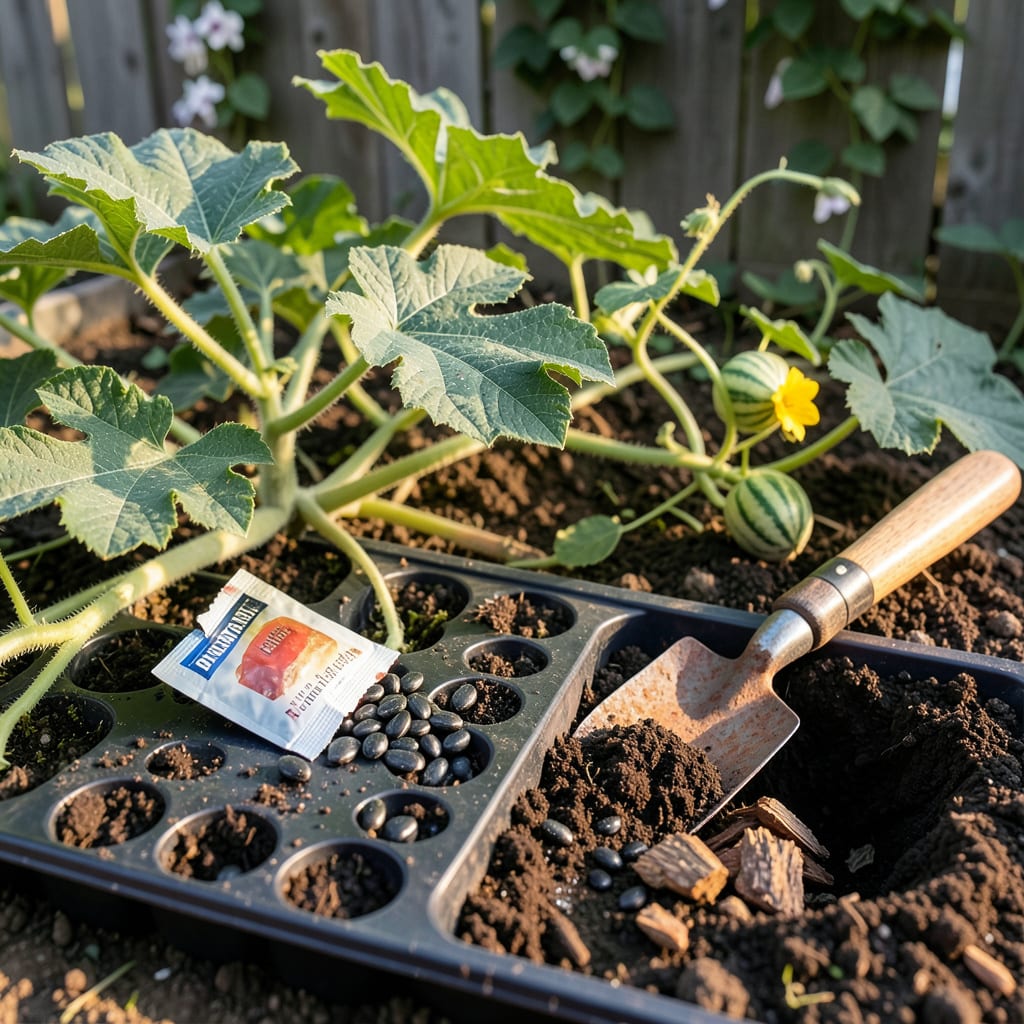
Nothing beats the taste of a homegrown juicy watermelon on a hot Alabama day—but timing your planting wrong could leave you with lackluster results. I’ve seen too many gardeners jump the gun in early spring, only to watch their vines struggle in unpredictable weather.
The secret lies in Alabama’s unique climate zones and soil warmth, not just the calendar. Let me show you exactly when to get those seeds in the ground for a sweet, bountiful harvest—without the guesswork or wasted effort.
Alabama’s diverse climate means watermelon planting dates vary dramatically from the Tennessee Valley to the Gulf Coast. While northern gardeners in Huntsville might wait until late April, those in Mobile can often start in early April—if the soil cooperates.
The golden rule? Soil temperature must hit 70°F or higher for at least a week. I’ve found that even a brief cold snap can stall germination, so I always double-check with a soil thermometer before planting.☀️
| Region | Last Frost Date | Ideal Planting Window | Soil Temp Threshold | Varieties to Try |
|---|---|---|---|---|
| North Alabama (Huntsville) | April 10 | Late April – Mid-May | 70°F+ | Crimson Sweet, Sugar Baby |
| Central Alabama (Birmingham) | March 25 | Early April – Early May | 70°F+ | Jubilee, Black Diamond |
| South Alabama (Mobile) | March 1 | Late March – Mid-April | 72°F+ | Carolina Cross, Triple Crown |
| Coastal Alabama (Gulf Shores) | February 15 | Early March – Early April | 75°F+ | Moon & Stars, Orange Crisp |
If you’re in Birmingham or Montgomery, aim for mid-April plantings—this gives your vines enough time to mature before the scorching July heat. Coastal gardeners can push the envelope earlier, but watch for late frost surprises.
For direct sowing seeds, I recommend planting 1 inch deep in well-draining mounds of soil. If you’re transplanting starts, wait until after the last frost and harden them off for 5–7 days first.🌱
Pro tip: Black plastic mulch can warm your soil 5–10°F faster in spring, giving you a head start. Just lay it down 2–3 weeks before planting to let the sun do its work.
Remember, watermelons need 80–100 days to mature. Planting in late May might seem safe, but you risk harvests overlapping with fall’s first frosts—especially in northern zones.🌡️
I’ve had the best luck with ‘Sugar Baby’ (75 days) and ‘Crimson Sweet’ (85 days) in Alabama’s heat. Both handle humidity well and resist common diseases like fusarium wilt.
Still unsure? Grab a soil thermometer—they’re cheap and take the guesswork out. When your soil reads 70°F at 8 AM for three days straight, it’s go time. No more wondering if that cold snap will ruin your crop!🪴
For those in urban areas like Birmingham, microclimates can create pockets of warmth. South-facing slopes or areas near buildings often warm up faster—perfect for sneaking in an early planting.
Even with perfect timing, some simple errors can derail your watermelon crop in Alabama’s humid climate. I’ve seen gardeners lose entire harvests to avoidable mistakes—like planting in cold soil or neglecting pollinators. Let’s fix that before you dig in.🌱
First, never ignore soil temperature. Watermelon seeds rot in soil below 65°F, and seedlings stunt if transplanted too early. I always use a soil thermometer—no guesswork! If your soil isn’t warm enough, wait or use black plastic mulch to speed things up.
Another big mistake? Overwatering once fruits start forming. Too much moisture dilutes sugars and causes cracking. I switch to drip irrigation in June to keep foliage dry and prevent fungal diseases like powdery mildew.💧
Don’t forget about pollinators! Without bees, your watermelon flowers won’t set fruit. I plant marigolds and sunflowers nearby to attract them. If bees are scarce, gently hand-pollinate with a small brush in the morning when flowers open.
Timing harvest is tricky too. Many gardeners pick too early, thinking bigger is better. But an unripe watermelon is a disappointment. I check for three signs: a dull rind (not shiny), a dry tendril near the stem, and that classic hollow thump when tapped.✅
Finally, watch out for pest pressure. Alabama’s humidity invites cucumber beetles and squash bugs. I use row covers early on, then switch to neem oil sprays once flowers appear. A little prevention saves weeks of frustration later!🪴
Not all watermelons thrive in Alabama’s sweltering summers and humid conditions. After years of testing, I’ve found that disease-resistant varieties with shorter maturity times perform best. The key is matching the cultivar to your region’s heat intensity and growing season length.☀️
For northern Alabama (Zones 7a–7b), focus on early-maturing varieties like ‘Sugar Baby’ (75 days) or ‘Crimson Sweet’ (85 days). These handle cooler springs better and avoid the peak pest pressure of late summer. Coastal gardeners can experiment with larger, heat-loving types like ‘Carolina Cross’ (90 days).
| Variety | Days to Harvest | Size (lbs) | Heat Tolerance | Disease Resistance | Best For |
|---|---|---|---|---|---|
| Sugar Baby | 75 | 8–10 | High | Fusarium wilt | Containers, small gardens |
| Crimson Sweet | 85 | 20–25 | Medium-High | Anthracnose | Home gardens, market growers |
| Jubilee | 90 | 30–40 | Very High | Powdery mildew | Southern Alabama, hot climates |
| Black Diamond | 95 | 35–50 | Extreme | Fusarium, alternaria | Large plots, experienced growers |
| Triple Crown (Seedless) | 80 | 15–20 | High | Multiple | Urban gardens, high humidity |
If you’re battling fusarium wilt (common in Alabama’s warm soil), ‘Black Diamond’ or ‘Triple Crown’ are your best bets. Both have built-in resistance and maintain sweetness even in drought-like conditions. For container gardening, ‘Sugar Baby’ stays compact while still delivering that classic watermelon flavor.🌱
Seedless varieties like ‘Triple Crown’ require a pollinator plant (like ‘Crimson Sweet’) nearby to set fruit. I plant them in a 1:3 ratio—one pollinator for every three seedless vines. This ensures proper fruit development without sacrificing space to traditional varieties.
For coastal Alabama, where humidity and salt air can stress plants, I recommend ‘Moon and Stars’ (90 days). Its thick rind resists cracking, and the unique appearance makes it a market favorite. Just be sure to give it extra potassium during fruiting to combat salt stress.💧
No matter which variety you choose, mulch heavily with straw or black plastic to retain moisture and suppress weeds. In Alabama’s heat, consistent soil moisture is critical—aim for 1–1.5 inches per week, tapering off as fruits near harvest to concentrate sugars.✅
Coastal Alabama’s last frost typically hits around February 15, but I’d wait until early March when soil temps reach 70°F+. Use a soil thermometer to confirm—cold snaps can still surprise us!
Invest in a cheap soil thermometer and check at 8 AM for three consecutive days. If it reads 70°F or higher, you’re good to go. Black plastic mulch can speed warming by 5–10°F if you’re impatient!
Watermelons hate transplanting, but you can start seeds in biodegradable pots 2–3 weeks before your outdoor date. Harden off seedlings for 5–7 days first—skip this, and they’ll sulk in the heat.
This usually means poor pollination. Plant marigolds or sunflowers nearby to attract bees, or hand-pollinate with a paintbrush in the morning. Also check for overwatering—it can stress plants and reduce flowering.
In most of Alabama, early June is cutting it close—especially for varieties needing 90+ days. Stick to fast maturers like ‘Sugar Baby’ (75 days) and pray for a long fall. North Alabama gardeners should skip June plantings entirely.
